






आँगनVastu for Jaipur homes · Site visit or online
Vastu Consultant for Jaipur Homes: Site Visit or Online
Dr. Kimaya Parikh-Ambekar consults for families in Jaipur, either on a site visit or online, from courtyard havelis in the walled city to independent houses in JDA colonies and villas on the edges of the city. Jaipur has a long association with planned building, and a climate that makes light, shade and air central to any Vastu reading.
Read this in: हिन्दी
- 1Best for
- Jaipur families in havelis, independent houses, villas or flats, and anyone planning to build on a plot.
- 2What we look at
- The courtyard or centre, the gate and door by pada, the roof terrace, and shelter from the western sun.
- 3How it happens
- A free first call in Hindi or English, then a site visit or an online review of plans and photographs, and a written report.
01
Why does Vastu feel so familiar in Jaipur?
Because the city's own story is tied to planning. Jaipur's walled city, founded in the early eighteenth century, is often described as one of the clearest examples of a town laid out on the principles of Vastu and the traditional building sciences, with broad straight streets dividing it into regular blocks.
Historians discuss the details, and a consultation does not depend on them. What matters for your home is its own plan, its own directions and how your family uses each room. The idea behind that old layout, a grid of zones read against the directions, is the same वास्तु पुरुष मंडल (Vastu Purusha Mandala) used for a single house today; the guide to the Vastu Purusha Mandala explains it simply.
Dr. Kimaya consults for Jaipur in two ways: she travels to the city for site visits, or works online from VastuKimaya's office in Andheri East, Mumbai, the only office.
02
How is Vastu applied to a haveli with a courtyard?
The courtyard is the haveli's centre, and Vastu asks that the centre, the ब्रह्मस्थान (Brahmasthan), stay open, clean and light, which a traditional chowk does naturally. Rooms arranged around one or more courtyards, thick walls, jharokhas and jaalis all work with that idea rather than against it.
The questions usually come from later changes. Many havelis have been divided between branches of a family, partly let out, or turned in part into shops or guest rooms. A courtyard may have been roofed over, or a toilet added in a corner that once held a store. Dr. Kimaya reads the portion your family actually lives in, decides which rooms suit sleeping, cooking and prayer, and keeps any covered centre bright and uncluttered rather than suggesting it be reopened. The guide to keeping the Brahmasthan open has more.
Old structures may also be protected or simply too fragile to alter. That is one more reason the remedies here are non-structural: placement, colour, light, crystals, pyramids and metal, nothing that touches the walls.
03
Which plot is good for a house in a JDA colony?
A square or rectangular plot with its entrance in the North, East or North-East is generally favourable, and South- or West-facing plots work well with the right layout and remedies. Planned colonies laid out by the JDA and private developers tend to have regular plots on straight roads, so the questions are usually which side the road is on, whether the plot is on a corner, and how the land slopes.
If you are building, the most useful moment for Vastu is before the drawings are final. The gate and door go in the North, East or North-East, the kitchen in the South-East, the master bedroom in the South-West, the staircase in the South, South-West or West, and the centre stays open. The plot selection guide and the page on site, flat and plot selection explain what to check before you buy.
04
What should independent houses and villas in Jaipur watch?
The whole plot, not just the rooms: the gate, compound wall, garden, borewell, parking and terrace. Villas on the city's edges often come with generous gardens, and the pattern Vastu prefers fits Jaipur's climate well.
Lawns, water features and a borewell sit more comfortably in the North, North-East or East. Tall trees belong on the South and West, where they also shade the house from the afternoon sun. A garage suits the North-West or South-East, and the compound wall is kept higher on the South and West. More on bungalows and independent houses is on the home Vastu page.
Roof terraces get heavy use in Jaipur, for winter afternoons and summer evenings alike. Solar panels facing South suit both engineering and Vastu, as the guide to solar panel direction explains, while the North-East of the terrace is kept light and open.
05
How does Jaipur's desert heat shape Vastu advice?
It strengthens the traditional pattern of open North and East and protected South and West. Summers are very hot and dry, with hot winds and a harsh afternoon sun on western walls, and the thick walls, small openings and stone jaalis of older buildings were a direct response to that.
In a modern house the same idea is carried by other means. Keep larger windows on the North and East, shade the West and South-West with blinds, deep curtains or a verandah, use light colours outside, and let heavy furniture and storage stand along those walls, where Vastu wants weight anyway. Dust storms make a clean entrance and a clean North-East a daily task rather than an occasional one.
Winters bring cool nights and bright, mild days. Open the South-facing curtains on winter afternoons to let in the sun; used this way, a South window is a comfort, not a conflict.
06
What other questions do Jaipur families ask?
Most of them are about materials, entrances and mixed use, because those are where Jaipur homes differ from flats elsewhere.
01
Stone and colour
Sandstone, marble and the city's terracotta-pink tones are earthy and grounding. They sit naturally in the South and South-West; keep the North-East in lighter tones.
02
Ganesha at the main door
Many Jaipur homes place a Ganesha above or beside the entrance. The guide to Ganesh idols at the main door covers how it is placed.
03
Part home, part business
Where a ground floor becomes a shop or rooms are let to guests, that portion is read separately. See commercial Vastu.
04
Rooms on the roof
A room built on the terrace is better placed in the South-West of the roof than in the North-East.
07
How does an online consultation work from Jaipur?
You send the plan, the photographs and the compass readings, and the rest happens on a call. Jaipur shares Indian Standard Time with Mumbai, and sessions run Monday to Saturday, 9 am to 7 pm IST, in Hindi or English, or in Marathi or Gujarati.
For a haveli without drawings, a careful hand-drawn sketch with room names and rough measurements is enough to begin. Take three compass readings just inside the main door facing out, photograph each room and the courtyard, and note where beds, the cooking platform and the mandir sit. Dr. Kimaya studies these, discusses them with you on a video call and sends a written report, with follow-up as you go. The Vastu consultation across India and abroad page explains both options.
If you would rather Dr. Kimaya saw the home in person, which can matter for a large plot or an old haveli, she travels to Jaipur for site visits, and the dates are arranged on the free first call.
Site visit or online
Our office in Andheri East
Dr. Kimaya travels to Jaipur for site visits, arranged on the free first call, and also consults online: you share the floor plan, photographs and compass readings, and she discusses them with you on a video call. When you are in Mumbai, you are welcome at the Andheri East office.
VastuKimaya
A-1304, Naman Premier, Marol Military Road, Andheri East, Mumbai, Maharashtra 400059
प्रश्न Questions
Common questions about Jaipur
Is Jaipur's walled city really planned on Vastu?
It is often described that way, as a city laid out on Vastu and traditional building principles, with its grid of straight streets and blocks. Historians discuss the details. A consultation does not depend on them: your home is read from its own plan, its own directions and how your family lives in it.
Should a new house in Jaipur have an open courtyard?
It is a good idea where the plot allows, but it is not compulsory. Vastu asks for an open, light centre, and a courtyard or a double-height space with a skylight is one way to achieve it. What matters most is that the centre stays free of toilets, staircases, pillars and heavy furniture.
Is a south-facing plot in a JDA colony bad?
No. Every direction has its strengths, and a south-facing plot works well when the gate falls in a suitable pada and the house is planned around it. The South-West is kept heavy and the North-East open, and remedies balance whatever the layout cannot change.
Can an old haveli be corrected without changing its structure?
Yes. VastuKimaya's remedies are non-structural: how rooms are used, where beds and the mandir go, colour, lighting, crystals, pyramids and metal. Nothing touches the walls, which suits havelis that are old, protected or shared between several branches of a family.
Does Dr. Kimaya visit homes in Jaipur?
Yes. She travels to Jaipur and other cities for site visits, and the dates are arranged on the free first call. If you prefer, the consultation can be held online by video call instead, with the same analysis and written report. VastuKimaya's only office is in Andheri East, Mumbai.
What if my haveli has no floor plan?
A careful hand-drawn sketch is enough to start. Draw each floor with room names, the courtyard and approximate measurements, take three compass readings inside the main door facing out, and photograph every room. Accuracy matters far more than neatness.
Related services
 दिशा
India & abroad
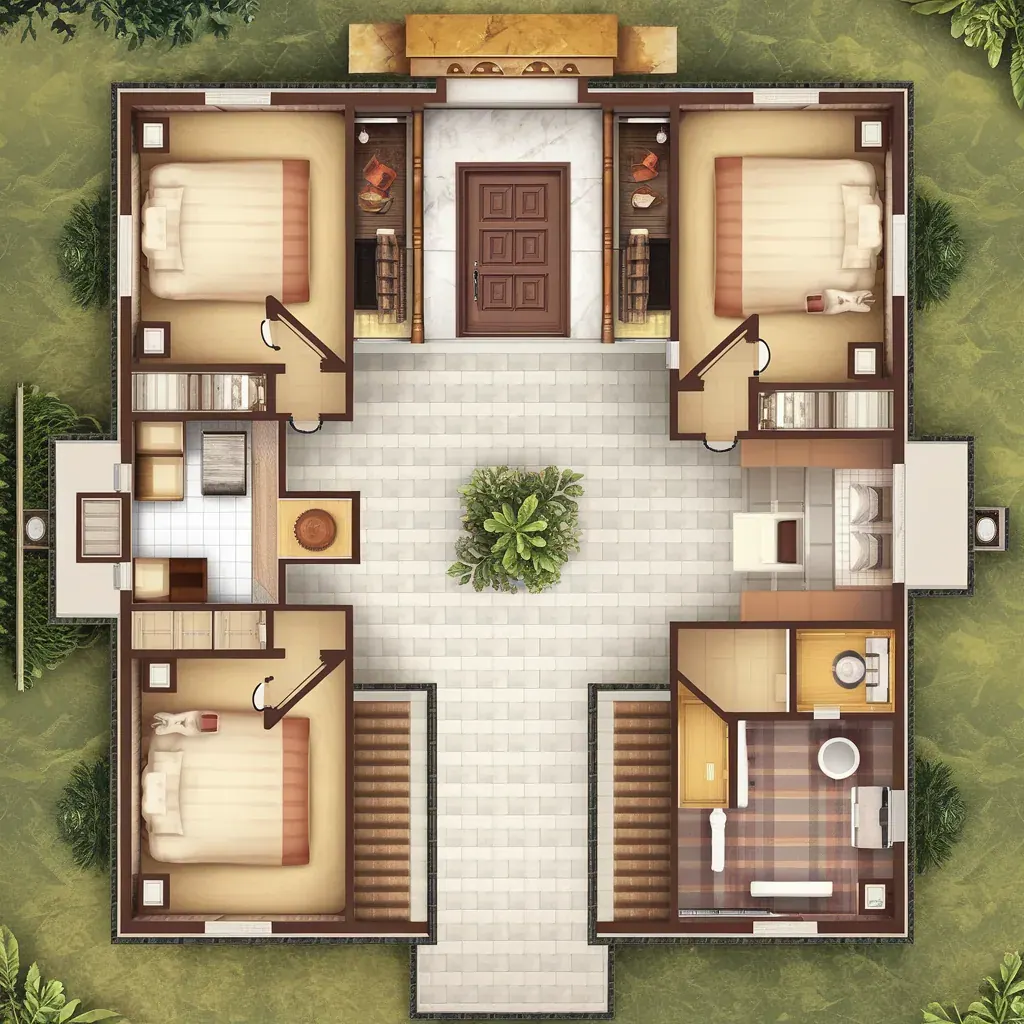
Vastu for homes anywhere in India or abroad: a site visit in your city, or online from your floor plan.
 गृह
Home Vastu
A full Vastu check of your flat, bungalow or building, fixed without demolition.
 भूमि
Buying a Flat or Plot
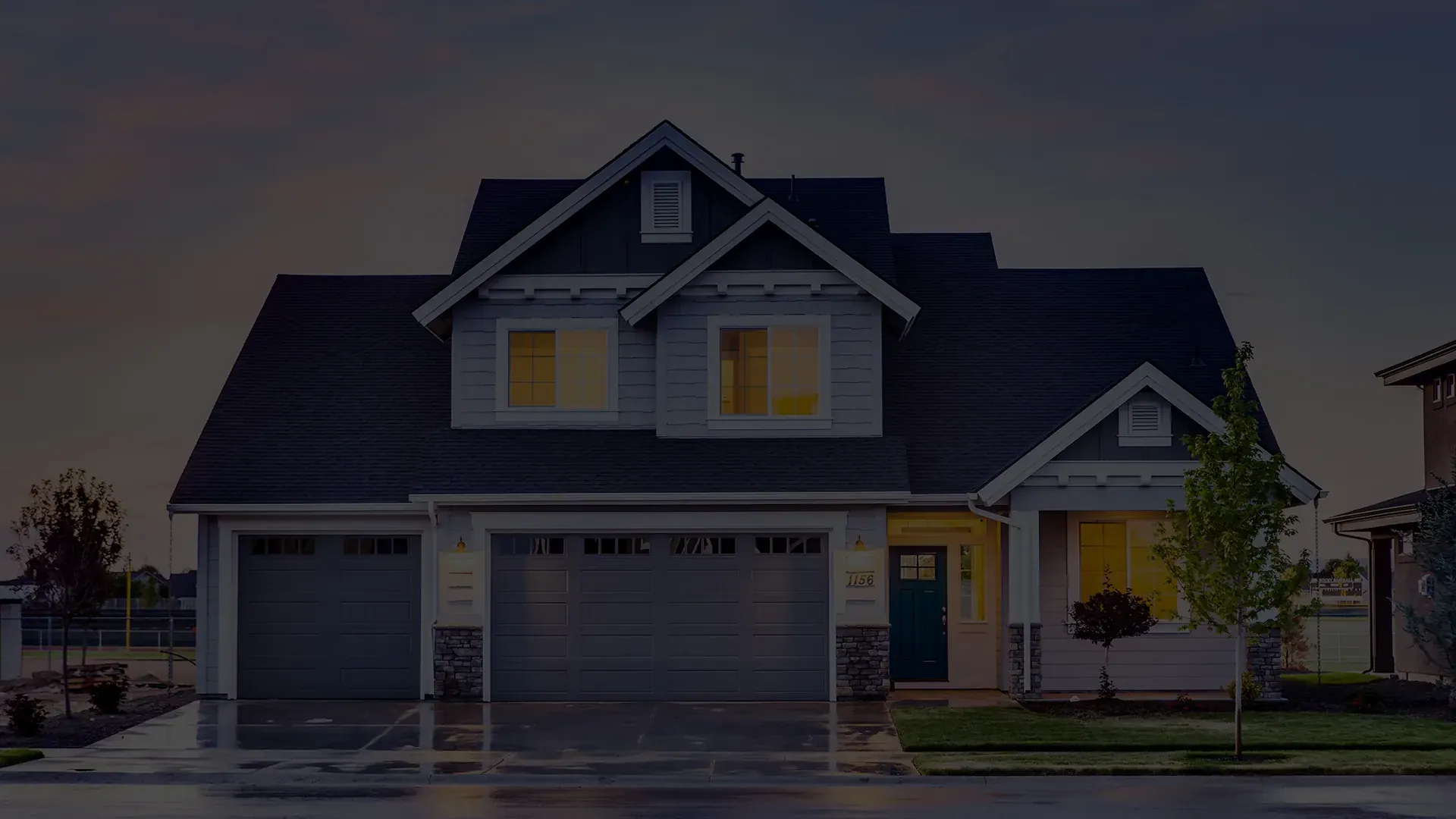
Compare your shortlisted flats or plots on Vastu before you pay.
 व्यापार
Office & Business Vastu
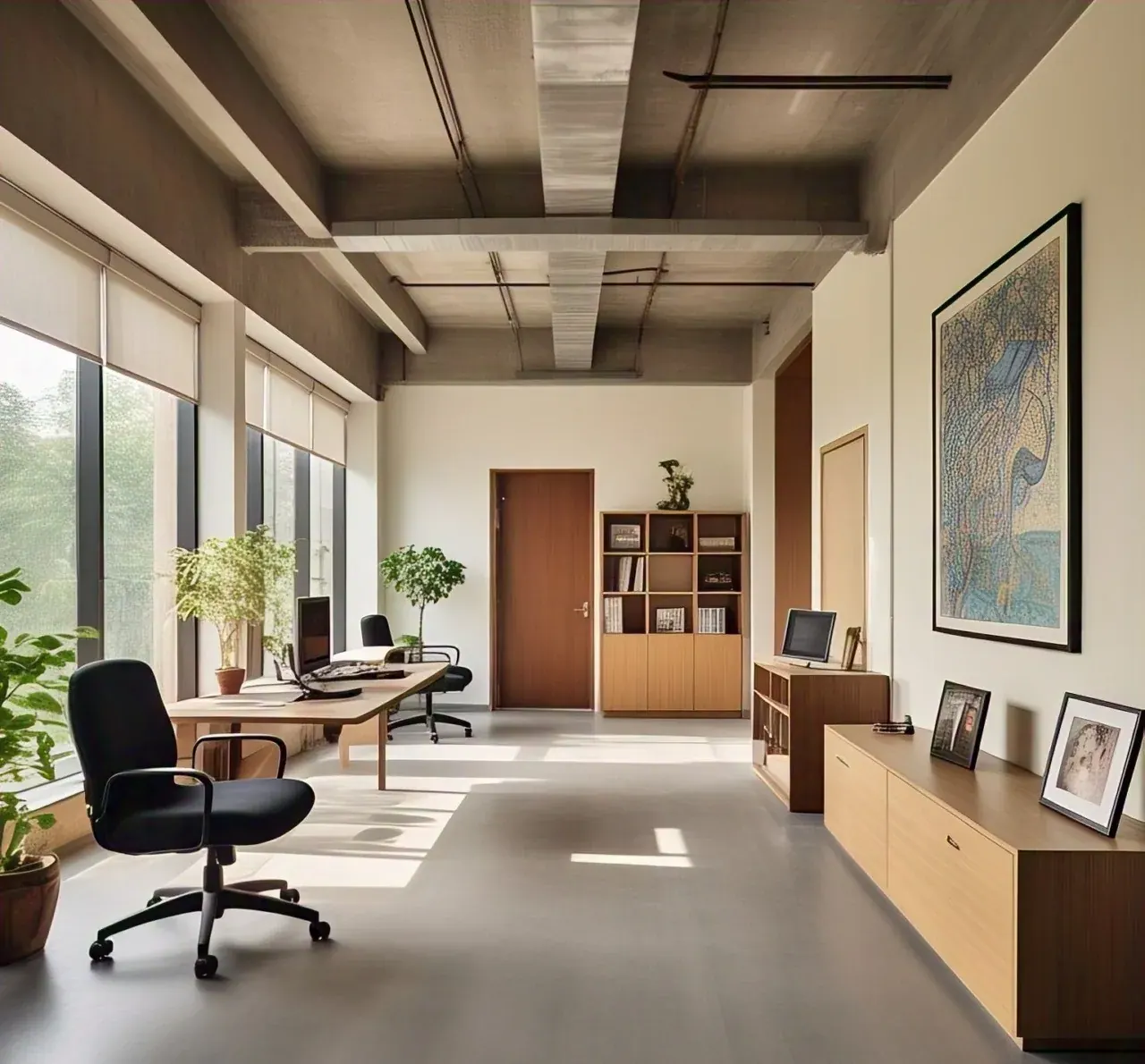
Vastu for offices, shops, restaurants, clinics and schools — owned or rented.
Ask Dr. Kimaya
Leave your number and Dr. Kimaya’s team will call you back. The first call is free.
Rated 5.0 on Google · 15 reviews
शुभ आरंभ
Let your space work for you
Book a free first call with Dr. Kimaya and take the first step towards a harmonious, prosperous home or workplace.