




Vastu Tips · · 7 min read
Ganesh Idol at the Main Door: Which Way It Should Face, as per Vastu
Can a Ganesh idol be kept at the main door, and should Ganesha face inside or outside? The common customs, why two images are placed back to back, and simple care tips for flats.
By Dr. Kimaya Parikh-Ambekar, Vastu consultant, Andheri East, Mumbai
Read this in: हिन्दी
01
Can a Ganesh idol be kept at the main door?
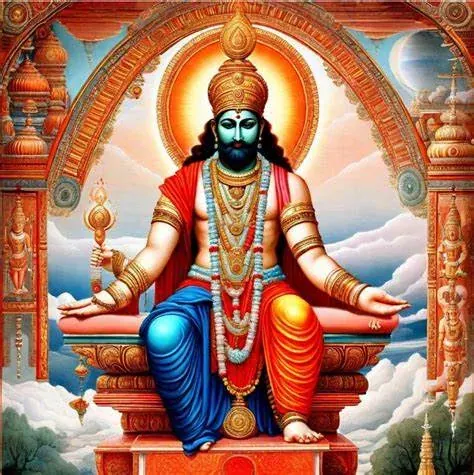
Yes, a Ganesh idol or image at the main door is a long-cherished custom in many Indian homes, and it sits comfortably with Vastu. Ganesha is worshipped first at the start of any undertaking as विघ्नहर्ता (Vighnaharta, the remover of obstacles), and the threshold is where every journey in and out of the home begins.
Vastu calls the main door the mouth of the home, because people, light and opportunities enter through it. A Ganesha placed there with care becomes a daily reminder to keep that threshold clean, bright and welcoming. It is a devotional addition rather than a structural rule, so it suits a rented flat as much as an owned bungalow.
Customs differ by family, region and community. The guidance below describes the practices most often followed; where your family has its own tradition, that tradition comes first.
02
Should Ganesha face inside or outside the house?
Both customs are followed: many families place Ganesha inside the home facing the entrance, and others fix him outside the door facing arriving guests, often with a second image behind him facing inwards. The shared idea is that the household should see Ganesha's face, his blessing, rather than his back.
01
Inside, facing the entrance
An idol on a shelf or console just inside the home, set against a wall and facing the main door, so Ganesha greets everyone who enters. For most flats this is the simplest and most practical arrangement.
02
Outside, facing visitors
A carved image, tile or small murti fixed above or beside the outer door frame, facing the corridor or porch, welcoming guests and watching over the threshold.
03
Outside, with a companion inside
When Ganesha faces outwards, many families place a second image directly behind him on the inner side of the same wall, so the home also faces his front.
03
Why are two Ganesh images placed back to back at the entrance?
Two Ganesh images are placed back to back so that Ganesha faces both ways: outwards to welcome visitors and inwards to bless the household. Each image covers the back of the other, so neither the guest nor the family looks at Ganesha's back.
In a flat, this usually means one image on or above the outer door frame and a matching one in the same position on the inside wall. Some families use a double-sided brass or wooden panel fitted into the upper door frame, which achieves the same thing neatly.
Keep the pair similar in size and form, align them as closely as the wall allows, and give both equal care. If only one image is possible, the inside position facing the entrance is the simpler choice. Whichever you choose, there is no cause for worry; ask your elders or family priest which custom your household follows.
04
Where exactly should a Ganesh image go at the entrance?
Place the image at or above eye level, centred above the door or on the wall beside it, on a clean, firm surface away from shoes and dustbins. The main door itself should open fully, be well lit and have nothing blocking it.
01
Height
Above the door frame or at eye level beside it, never on the floor or at foot height.
02
Away from shoes
Move the shoe rack to the side or into a closed cabinet so footwear is not directly beneath or beside Ganesha.
03
Light
A working light near the door keeps the image visible in the evening. On festival days a diya can be placed safely nearby, never left unattended.
04
Firm fixing
Fix tiles, panels and murtis firmly so they cannot fall when the door is shut hard.
05
Shared corridors
In a society corridor, keep everything within your own door frame and follow your society's rules on fixtures.
06
With other symbols
A toran, Shubh-Labh, Om or swastika sit happily with Ganesha. Keep the composition simple rather than crowded, as described in our toran and main door decoration guide.
05
Does a Ganesh idol help a South-facing main door?
Many families place a Ganesha at a South-facing or South-West facing door as a devotional gesture, and it is a gentle, positive addition, but Vastu first looks at the exact position of the door before choosing any remedy.
A South-facing door is not automatically a problem. Each wall is divided into segments, each called a पद (pada, a segment of the wall), and the door's exact pada matters far more than the broad direction. Our guides to main doors you cannot change and South-facing flat remedies explain how this is checked.
Where a remedy is needed, it is chosen after a compass reading and may include a metal threshold strip, activated pyramids, protective crystals or colour. A Ganesha can be part of that plan, offered with devotion, rather than the whole of it.
06
Which material and form suit a Ganesh at the entrance?
Brass, copper, stone, marble and well-sealed wood suit an entrance Ganesha, because they last, clean easily and look dignified. A calm, seated form of a modest size, in proportion to the door, is the choice most families make.
01
Metal
Brass, copper or the traditional five-metal alloy known as पंचधातु (panchdhatu, five metals) ages gracefully and wipes clean. Polish it occasionally.
02
Stone and marble
White marble or carved stone suits a well-lit entrance and is easy to keep clean.
03
Wood
Carved wood is warm and traditional; seal it well against Mumbai's monsoon humidity.
04
Tiles and panels
Ceramic or metal tiles are practical outside the door in a narrow corridor.
05
Trunk direction
Many households prefer Ganesha with the trunk turned to his left for home worship, often described as the gentle, family form, while a right-turned trunk is associated in some traditions with more elaborate daily worship. Follow your family's practice, or ask the priest who performs your family's poojas.
07
How should a Ganesh at the main door be cared for?
Care for an entrance Ganesha by dusting it weekly, offering fresh flowers or durva grass on Chaturthi and festival days, and keeping the threshold below it clean.
A short chant such as ॐ गं गणपतये नमः (Om Gam Ganapataye Namah, salutations to Lord Ganesha) as you leave in the morning turns the image into a small daily ritual that children often enjoy.
If the image chips, cracks or fades, replace it respectfully. Many families immerse a clay image in water at home, or hand a metal or stone piece to a temple. The festival idol you welcome at Ganesh Chaturthi is different: it sits in the mandap and goes for visarjan, while the entrance image stays with the home through the year.
08
When to consult a Vastu expert
Consult a Vastu expert if you are unsure of your main door's direction or pada, if your entrance faces a lift, staircase or neighbour's door, or if you are setting up a new home before the गृह प्रवेश (Griha Pravesh, housewarming).
Dr. Kimaya Parikh-Ambekar checks entrances on-site across Mumbai from VastuKimaya's office in Andheri East, and through distant consultations using floor plans and photographs. Her suggestions respect your family's customs and are non-structural, so they suit rented flats too.
Questions
Frequently asked
Can a Ganesh idol be kept at the main door?
Yes, it is a widely followed custom. Place the idol raised, clean and well lit, either inside facing the entrance or above the door frame, away from shoes and dustbins.
Should Ganesha face inside or outside the house?
Both customs are followed. The common thread is that the family should see Ganesha's face rather than his back, which is why an outward-facing image is often paired with one facing inside.
Why are two Ganesh images placed back to back at the entrance?
Two images are placed back to back so that Ganesha faces both the visitors arriving and the household inside, with each image covering the back of the other.
Does a Ganesh idol help a South-facing main door?
It is a gentle devotional addition that many families choose. Any Vastu remedy for a South-facing door should be decided after its exact pada is checked with a compass.
Which material suits a Ganesh at the entrance?
Brass, copper, marble, stone and well-sealed wood suit an entrance because they last and clean easily. Ceramic or metal tiles are practical in narrow corridors.
Should the entrance Ganesha have a left- or right-turned trunk?
Many households prefer a left-turned trunk for home worship, but customs differ. Follow your family's tradition or ask your family priest.
Want this applied to your own home or office?
Book free first call