




सूर्यVastu for homes in Australia · Site visit or online
Vastu Consultant for Homes in Australia
A house on a suburban block in Melbourne, a unit in a strata building in Sydney, an apartment in Perth: Indian families across Australia ask how Vastu fits homes built for a sun that sits in the northern sky. Dr. Kimaya Parikh-Ambekar reviews them on a site visit or online, from your floor plan, compass readings and photographs.
Read this in: हिन्दी
- 1Best for
- Families in Australia buying a block, building, renting or settling into a house, unit or apartment.
- 2What we look at
- Your plan against true North, the block's slope and street, the sun on each side, and outdoor living.
- 3How it happens
- A free first call, then a site visit or an afternoon or evening video session your time, and a written report.
01
Does Vastu apply to a house in Australia?
Yes. Vastu is built on direction, and the compass does not change at the equator: North is still North in Brisbane, and the eight directions keep their elements and deities. The kitchen is still read against the South-East, the master bedroom against the South-West and the mandir against the North-East.
What does change is the sun, and that is the one question every Australian family raises, so it is answered openly below. The broader picture is in Vastu for NRI homes abroad.
02
Does Vastu change in the southern hemisphere?
The compass directions do not change, but practitioners differ on how much of the light-related advice should. In Australia the midday sun is in the northern sky, so rooms facing North receive the warm winter sun, while the South side of a house is the cool, shaded side. In most of India it is the other way round.
One view holds that the directions are absolute and carry the same meaning everywhere: the North-East stays the sacred, open corner, the South-West the heavy and stable one, whatever the sun is doing. The Vastu placements are kept exactly as in India.
Another view points out that some classical reasoning about heat and light grew up under India's sun, and adapts the advice that depends on it: where larger windows go, which walls should be solid for shade, which rooms are warm in winter. A few practitioners go further and mirror North and South placements altogether; others do not accept that step.
This page keeps the compass directions as they are. Light, warmth and shade are read against how the sun actually moves around your home, and how the two fit together for your plan is discussed openly on the call. Helpfully, classical Vastu already keeps the North and East open and light, and in Australia that is also where much of the welcome sun arrives.
03
How does Vastu read a house on an Australian block?
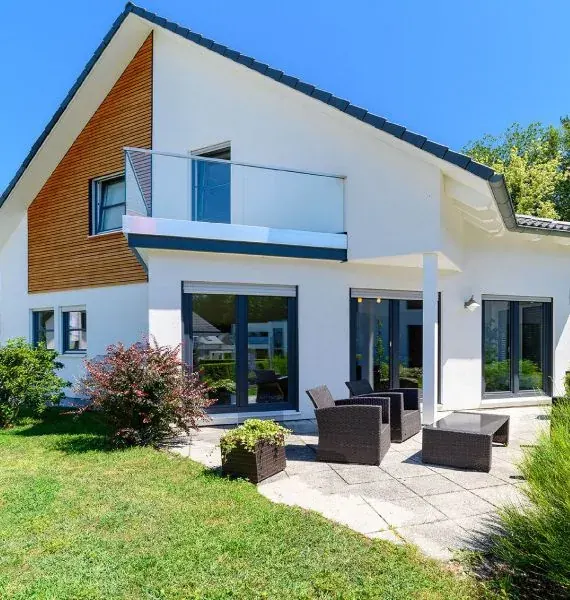
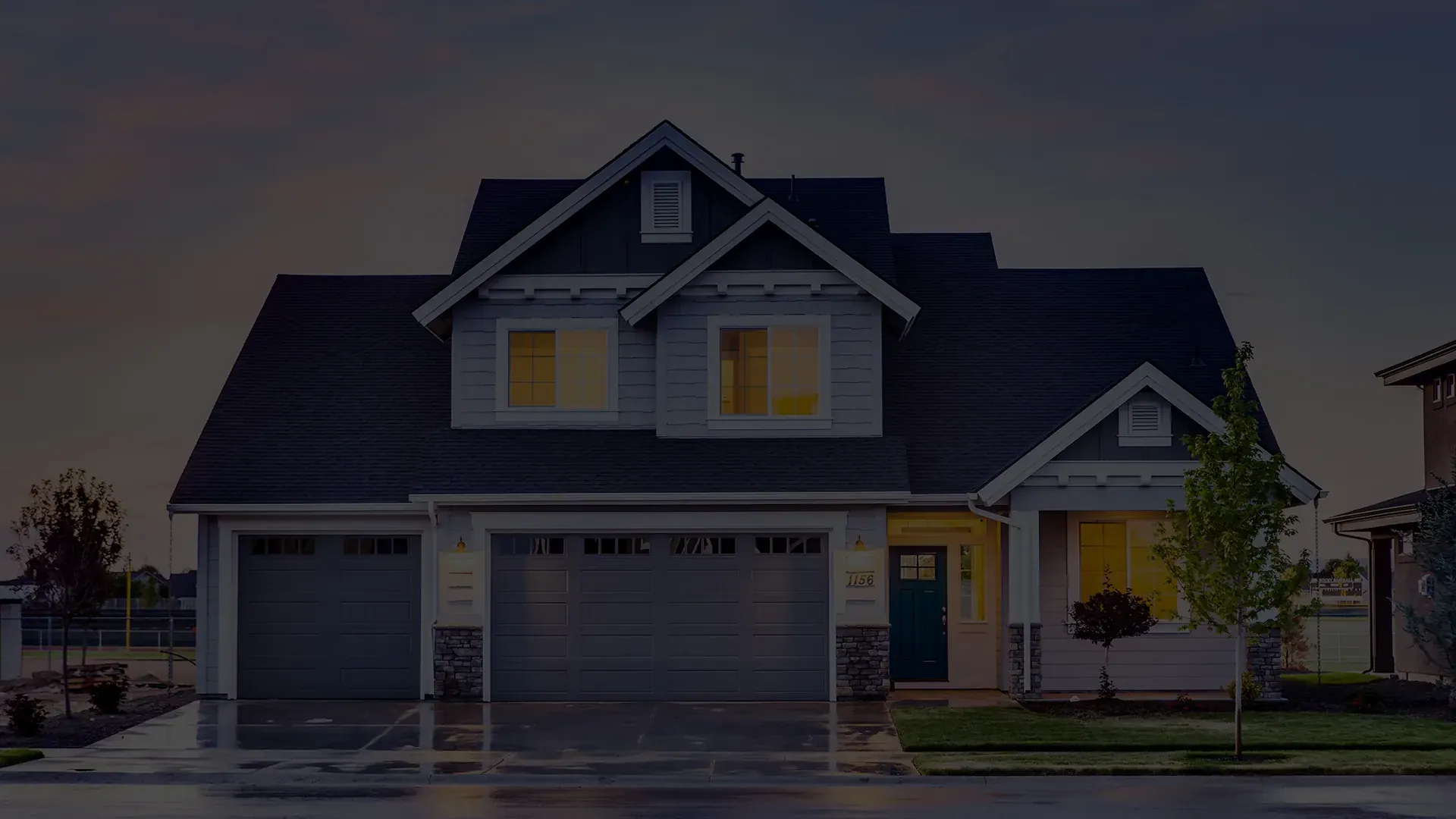
It begins with the block itself, because the land, its slope and the street often matter as much as the house. Vastu favours a regular, square or rectangular block, higher in the South and West and sloping gently towards the North or East, with the house set so that more open space remains on the North and East sides.
Then the house: where the front door meets the street, whether the garage takes over the front, where the open-plan living area sits, and which bedroom falls in the South-West. A granny flat or studio in the backyard is read as part of the whole site. If you are choosing a block or a house-and-land package, a review of the plans before you sign is the easiest moment to help; see plot selection Vastu.
04
What about units, townhouses and apartments?
They are read as complete homes, whatever their size. An older unit in a small walk-up block, a two-storey townhouse and a new apartment tower each have their own entrance, kitchen, bedrooms and centre to work with.
Strata buildings, run by an owners corporation or body corporate, usually set rules on what can be changed, and leases limit what tenants can do. That is why every remedy here is non-structural: bed and desk direction, the way you face while cooking, decluttering by zone, colour in soft furnishings, lamps, plants, and portable crystals and pyramids. Vastu for rented flats covers this in detail.
05
How do Australian heat and outdoor living fit with Vastu?
Comfortably, if each outdoor area is placed with the directions in mind. Australian homes spill outside onto decks, patios and alfresco areas, and summers can be very hot.
01
Western sun
Strong afternoon sun on the West is harsh in both hemispheres. Shade it with trees, screens or blinds, and keep a hot West-facing room for storage or occasional use where possible.
02
Garden and trees
Lawns, low plants and flower beds suit the North and East; taller, heavier trees suit the South and West.
03
Pools and water features
Vastu places water features in the North, East or North-East, and the same thinking is often applied to a pool.
04
The barbecue
A barbecue is a fire element, so the South-East of the garden suits it, kept well away from any water feature.
05
Air-conditioning
Sealed, cooled rooms still need fresh air; open windows in the cooler morning and keep the centre of the house uncluttered.
06
Where should the mandir go, and how do you celebrate festivals at home in Australia?
The mandir goes in the North-East, the ईशान्य (Ishanya), even in a small unit, as a clean shelf at a sensible height. Australian homes have smoke alarms, and strata by-laws and leases may restrict open flames, so keep a real diya small, brief and supervised, never cover or disable an alarm, and use electric diyas where flames are not allowed.
Diwali falls in the Australian spring, often on warm evenings when windows are open, which makes a brief diya easier. Follow the muhurat calculated for your own city, since local sunset decides it; celebrating Diwali abroad explains why. Temples and community groups hold Diwali, Navratri and Ganesh Chaturthi gatherings that help children grow up with the festivals.
07
How do site visits and online sessions work from Australia, and when should you book?
Dr. Kimaya travels to Australia for site visits, arranged on the free first call; the VastuKimaya office is in Andheri East, Mumbai. For an online session, your afternoon or evening is the natural choice, because Australia is ahead of India and sessions run Monday to Saturday, 9 am to 7 pm IST, by video call. You send a floor plan with North marked, compass readings from inside the front door and photographs of each room and the block, and the written report follows the session, just as it follows a visit. Australian clocks move in October and April in some states, and India's never do, so recheck any repeat slot.
01
Sydney, Melbourne and Canberra
4 h 30 min ahead of IST in winter (AEST) and 5 h 30 min ahead in summer (AEDT). The Indian day runs from 1:30 pm to 11:30 pm your time in winter, 2:30 pm to 12:30 am in summer, so an after-work slot or a Saturday afternoon is comfortable.
02
Brisbane
Queensland does not use daylight saving, so Brisbane stays 4 h 30 min ahead all year.
03
Perth
2 h 30 min ahead all year. The Indian day runs from 11:30 am to 9:30 pm in Perth, which leaves a wide choice, including a late-morning Saturday.
08
How do you book from Australia?
Call or WhatsApp +91 70391 07512, or write to stayblessed@vastukimaya.com, with your city and two or three times that suit you. Sessions are not held on Sundays. The first call is free, sessions are in English, Hindi, Marathi or Gujarati, and the online Vastu consultation page explains every step, while the preparation checklist helps you gather your plan and photographs.
Site visit or online
Our office in Andheri East
Dr. Kimaya travels to Australia for site visits, arranged on the free first call, and also consults online: you share the floor plan, photographs and compass readings, and she discusses them with you on a video call. When you are in Mumbai, you are welcome at the Andheri East office.
VastuKimaya
A-1304, Naman Premier, Marol Military Road, Andheri East, Mumbai, Maharashtra 400059
प्रश्न Questions
Common questions about Australia
Should North and South be swapped for a house in Australia?
Practitioners differ on this. Some keep every placement exactly as in India because the directions are absolute; others adapt advice that depends on sunlight, and a few mirror North and South entirely. This page keeps the compass directions unchanged, and the question is discussed openly for your own plan on the call.
Is a north-facing house good in Australia?
A North-facing entrance is generally regarded as favourable in Vastu, judged by its exact position along the wall. In Australia a northern aspect also brings winter sun into the living areas, so the two considerations usually sit well together.
Can Vastu be applied in a strata unit?
Yes. Strata by-laws usually limit changes to the building, but every remedy used here is non-structural: placement, sleeping direction, colour, light, plants, crystals and pyramids. None of them needs approval for building work, and they move with you.
What time should I book from Perth?
Almost any time from late morning to evening. Perth is 2 h 30 min ahead of IST all year, so the 9 am to 7 pm IST session hours run from 11:30 am to 9:30 pm in Perth, Monday to Saturday.
Should we follow India's Diwali muhurat in Australia?
No. Follow the muhurat calculated for your own city, because Lakshmi Puja is timed from local sunset. Panchangs prepared for Australian cities and local temples publish the correct window, which is more reliable than converting India's time.
Related services
 दिशा
India & abroad
Vastu for homes anywhere in India or abroad: a site visit in your city, or online from your floor plan.
 गृह
Home Vastu
A full Vastu check of your flat, bungalow or building, fixed without demolition.
 भूमि
Buying a Flat or Plot
Compare your shortlisted flats or plots on Vastu before you pay.
 रेकी
Reiki Healing
Reiki for relaxation and balance, and Reiki Vastu to cleanse homes and offices.
Ask Dr. Kimaya
Leave your number and Dr. Kimaya’s team will call you back. The first call is free.
Rated 5.0 on Google · 15 reviews
शुभ आरंभ
Let your space work for you
Book a free first call with Dr. Kimaya and take the first step towards a harmonious, prosperous home or workplace.