




Reiki · 19 September 2026 · 6 min read
Reiki for Stress Relief in Busy City Life
Long commutes, deadlines and always-on phones — city life can leave you drained. How Reiki for stress works, what a session feels like, and simple ways to bring calm into a busy Mumbai day.
By Dr. Kimaya Parikh-Ambekar, Vastu consultant, Andheri East, Mumbai

01
Why does city life feel so stressful?
City life feels stressful because it keeps the body and mind in a near-constant state of alertness — traffic, crowded trains, noise, long hours, deadlines and phones that never stop. In a city like Mumbai, even rest can feel rushed.
Over time, this can show up as tense shoulders, shallow breathing, poor sleep, irritability or feeling tired but wired. Recognising these signs is the first step. Finding regular moments of genuine rest is the next — and that is where practices like Reiki can play a supportive role.
02
What is Reiki and how can it help with stress?
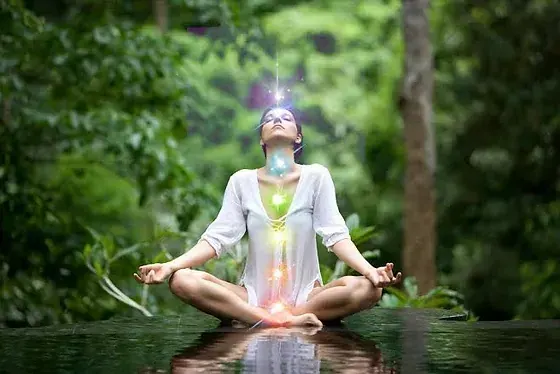
Reiki is a Japanese relaxation and energy-balancing practice in which a practitioner channels universal life energy through gently placed or hovering hands. The name joins Rei (universal) and Ki (life energy), similar to the Indian idea of प्राण (prana, life energy).
Reiki for stress works mainly by offering a deeply restful, quiet experience in which the body can slow down. There is no massage, pressure or medicine. Many people describe feeling calmer, lighter and more centred afterwards, and find it easier to switch off at night. Reiki is a complementary wellness practice and does not treat medical or psychological conditions.
03
What happens in a Reiki session?
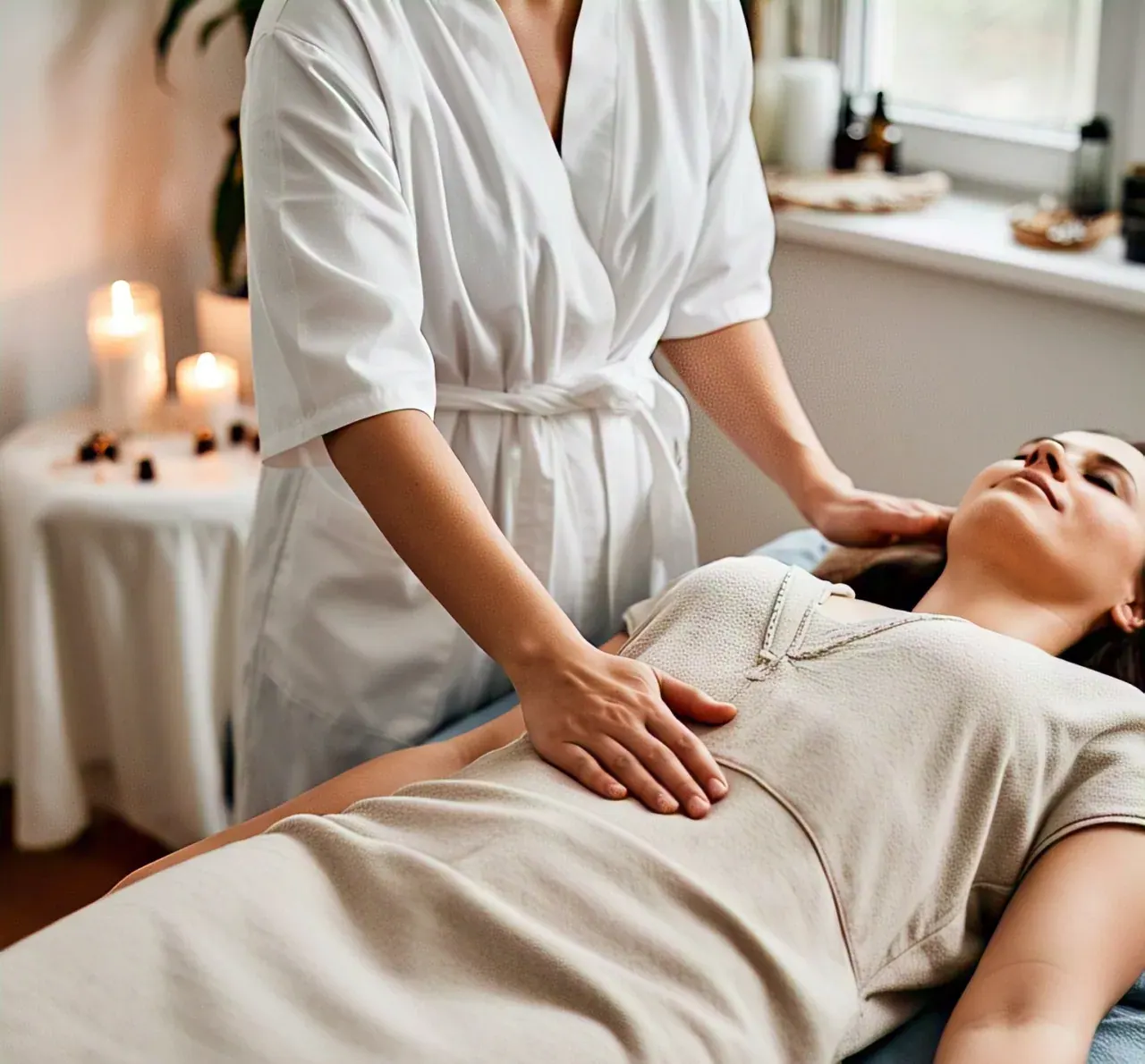
In a Reiki session, you rest comfortably while the practitioner places their hands lightly on or just above a series of positions from head to feet.
01
A short conversation
You share what you are experiencing — stress, restlessness, a demanding phase — and any medical care you are receiving.
02
Settling in
You lie down or sit, fully clothed, and close your eyes.
03
Channelling Reiki
The practitioner moves slowly through hand positions while you simply rest.
04
Gentle return
At the end, you take a few moments to come back, drink some water and share how you feel.
04
What do people feel during Reiki, and how often should I go?
People commonly feel warmth, gentle tingling, heaviness in the body, deep relaxation or a drifting, dreamy state during Reiki. Some fall asleep, some feel emotional, and some feel little in the moment but notice calm later in the day.
All of these responses are normal. There is nothing you need to do or achieve — the session is simply time for your nervous system to rest, which is rare in a busy city schedule.
How often you have Reiki for stress depends on your needs and routine; there is no fixed schedule. Some people book a session during a particularly demanding phase, while others prefer a regular rhythm, such as once every week or two, as part of their self-care.
Listen to how you feel after each session and discuss the frequency with your practitioner. Pairing sessions with daily habits — a few minutes of breathing, a screen-free evening, time outdoors — helps the sense of calm last longer between visits.
05
Who can benefit from Reiki for stress?
Reiki for stress can suit anyone looking for a gentle, non-invasive way to relax, including:
01
Working professionals
People with long hours, long commutes and high-pressure roles.
02
Students
Those preparing for exams or adjusting to college and hostel life.
03
Parents and caregivers
People caring for children, elders or unwell family members.
04
Business owners
Entrepreneurs juggling decisions, finances and teams.
05
People in transition
Anyone going through a move, job change, loss or family difficulty.
06
Can I do anything at home between sessions?
Yes, simple daily habits between sessions help keep stress in check, even on busy days.
01
Five-minute breathing
Sit quietly and breathe slowly — four counts in, six counts out — before work or after the commute.
02
A calm corner
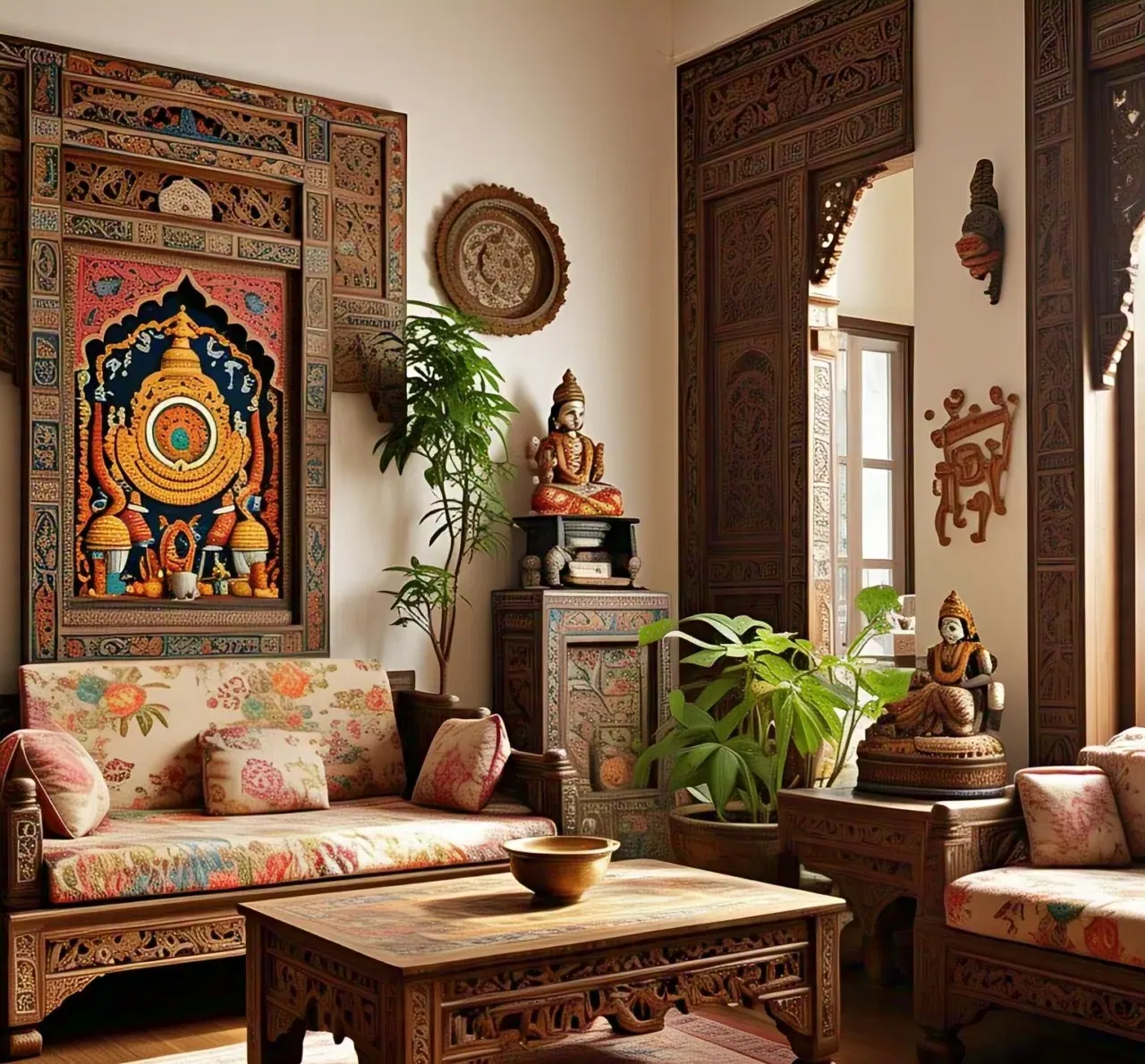
Keep a small uncluttered spot, ideally in the North-East or East, with a cushion, a plant or a diya.
03
Screen curfew
Put your phone away some time before bed, and keep it out of reach while sleeping.
04
Sleep direction
Sleep with your head towards the South or East, the classic Vastu guidance for restful sleep.
05
Sound and aroma
Soft mantra, a singing bowl or a few drops of lavender oil in a diffuser in the evening can help you unwind.
06
Morning light
Open the windows and spend a few minutes in daylight to reset your rhythm.
07
How can your home and office reduce everyday stress?
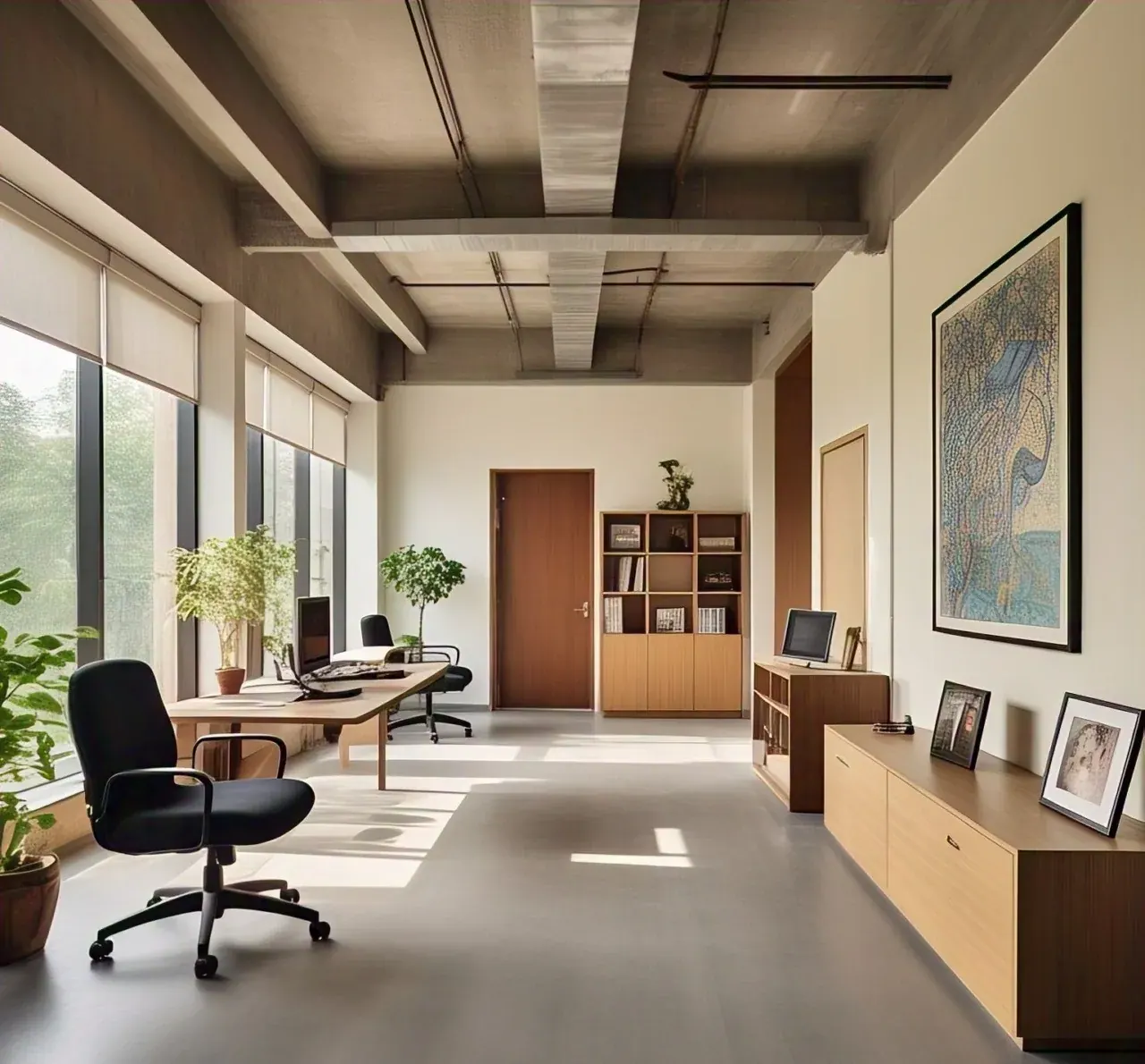
Your home and office reduce everyday stress when they feel bright, orderly and calm. Clutter, poor lighting and noise add to a sense of pressure, so clearing your desk, letting in natural light and adding a healthy plant can make a noticeable difference.
At work, try to sit facing North or East with a solid wall behind you. At home, keep the ब्रह्मस्थान (Brahmasthan, the centre) open and uncluttered. Reiki Vastu — Reiki offered to a space — is also used to refresh homes and offices that feel heavy after a demanding phase.
08
When should stress be discussed with a doctor?
Stress should be discussed with a doctor or mental-health professional when it is persistent, affects your sleep, appetite, health, work or relationships, or leads to panic, burnout or thoughts of harming yourself. Reiki can sit alongside this care, but it is not a replacement.
Continue any medication or therapy you have been advised. If you are struggling, please reach out to a mental-health professional. In India you can call the free Tele-MANAS helpline on 14416 (or 1-800-891-4416), available 24×7.
09
When to book a Reiki session
Book a Reiki session when you want a regular, restful pause from a demanding routine, or when you are going through a particularly stressful phase and would value gentle support. Dr. Kimaya Parikh-Ambekar offers in-person Reiki at her Andheri East office in Mumbai, as well as distance Reiki for those who cannot travel.
She can also combine personal Reiki with Reiki Vastu for your home or office, so that both you and your surroundings feel lighter. ॐ शान्तिः (Om Shanti — peace).
Questions
Frequently asked
Does Reiki really help with stress?
Many people find that Reiki helps them feel more relaxed and less stressed, mainly because it offers deep, uninterrupted rest. Experiences vary, and it complements rather than replaces medical care.
How many Reiki sessions are needed for stress relief?
There is no fixed number of Reiki sessions for stress relief. Some people feel calmer after one session, while others prefer regular sessions during a demanding phase.
Is Reiki safe?
Reiki is a gentle, non-invasive practice in which you remain fully clothed and no pressure is applied. Continue all prescribed medical treatment alongside it.
Can I do Reiki during my lunch break?
A short distance Reiki session or a few minutes of breathing in a quiet spot can fit into a lunch break. A full in-person session is more restful when you have unhurried time afterwards.
What is the difference between Reiki and meditation?
In meditation you actively guide your own attention, while in Reiki a practitioner channels energy as you simply rest. Many people find the two complement each other well.
Want this applied to your own home or office?
Book free consultation