



Reiki · 19 September 2026 · 5 min read
Chakras and Reiki: The Seven Energy Centres
A clear, beginner-friendly guide to the seven chakras, what each is associated with, how Reiki practitioners work with them, and simple ways to support balance at home.
By Dr. Kimaya Parikh-Ambekar, Vastu consultant, Andheri East, Mumbai
01
What are chakras?
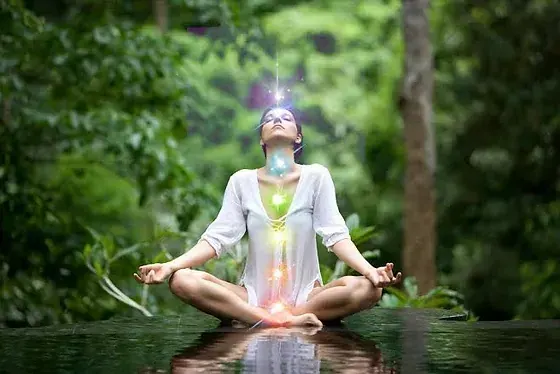
Chakras are energy centres described in Indian yogic tradition, located along the midline of the body from the base of the spine to the crown of the head. The Sanskrit word चक्र (chakra) means “wheel”, reflecting the idea of energy turning or flowing at each centre.
Each chakra is traditionally associated with certain qualities, emotions and areas of life. The idea is that when प्राण (prana, life energy) flows freely through these centres, a person feels more balanced; when it feels blocked, a person may feel stuck or out of sorts. These are traditional, experiential ideas rather than medical or anatomical findings.
02
What are the seven main chakras?
The seven main chakras run from the root at the base of the spine to the crown at the head. Their Sanskrit names, locations and traditional associations are:
01
Root — मूलाधार (Muladhara)
Base of the spine. Associated with grounding, security and stability.
02
Sacral — स्वाधिष्ठान (Svadhisthana)
Lower abdomen. Associated with creativity, emotions and enjoyment.
03
Solar plexus — मणिपूर (Manipura)
Upper abdomen. Associated with confidence, willpower and self-esteem.
04
Heart — अनाहत (Anahata)
Centre of the chest. Associated with love, compassion and forgiveness.
05
Throat — विशुद्ध (Vishuddha)
Throat. Associated with communication and self-expression.
06
Third eye — आज्ञा (Ajna)
Between the eyebrows. Associated with intuition, insight and clarity.
07
Crown — सहस्रार (Sahasrara)
Crown of the head. Associated with spiritual connection and a sense of peace.
03
How does Reiki work with the chakras?
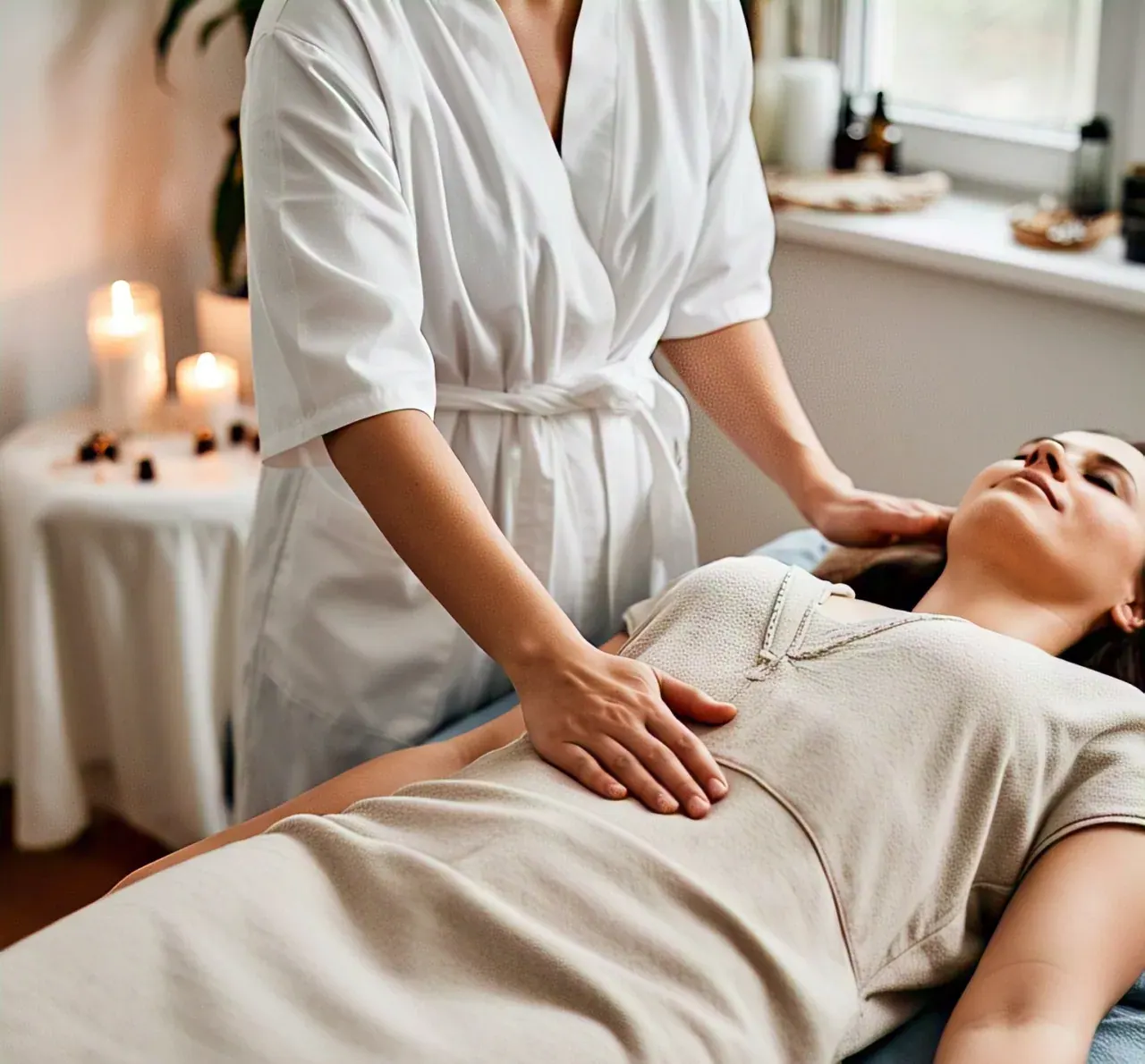
In chakra healing Reiki, the practitioner places hands lightly on or just above each energy centre in turn, allowing Reiki energy to flow with the intention of encouraging balance. Many practitioners move from the head down to the feet, spending a few minutes at each position.
Reiki itself is a Japanese practice, and chakras come from Indian yogic tradition. Many modern Reiki practitioners use the chakra map as a helpful guide to the body's energy, which is why the two are often spoken of together.
04
What does it feel like when a chakra is out of balance?
In traditional thinking, an imbalanced chakra is associated with feeling off in the area of life that chakra represents — for example, feeling ungrounded (root), finding it hard to speak up (throat) or struggling to trust your instincts (third eye).
It is important not to read too much into this. Physical symptoms, persistent low mood, anxiety or sleep problems need a doctor's attention first. Chakra work and Reiki complement and do not replace medical or psychological care, and they should never be used to self-diagnose a health condition.
05
What happens in a chakra-focused Reiki session?
A chakra-focused Reiki session begins with a short conversation, then you lie down fully clothed while the practitioner works through the energy centres. There is no massage and no pressure.
Some people feel warmth, tingling or a sense of heaviness at certain positions; others simply feel relaxed or drift into light sleep. Afterwards you are given time to sit up slowly, drink water and share anything you noticed. Dr. Kimaya may also suggest simple practices, such as breathing exercises or a crystal to keep with you, to continue the sense of calm at home.
06
Are there simple ways to support chakra balance at home?
Yes, gentle daily practices can support a sense of balance between sessions. None of these need special equipment:
01
Grounding
Walk barefoot on grass or sit on the floor for a few minutes (root).
02
Breath awareness
Slow, deep breathing into the belly for five minutes (solar plexus and heart).
03
Humming or chanting
Gentle humming or chanting ॐ (Om) supports the throat and a calm mind.
04
Quiet sitting
Sit in stillness in the North-East of your home, the zone linked with clarity (third eye and crown).
05
Crystals
Traditional pairings include Red Jasper or Black Tourmaline for grounding, Rose Quartz for the heart and Amethyst for the crown.
07
How are chakras connected to Vastu?
Chakras and Vastu share a common idea: energy should flow freely, whether through the body or through a home. Just as the body has energy centres, Vastu describes a home through the वास्तु पुरुष मंडल (Vastu Purusha Mandala) and the पंचतत्व (Pancha Tattva, the five elements).
This is why Dr. Kimaya often combines personal Reiki with Reiki Vastu for the space. A person may feel calmer after a session, and a cleared, balanced home helps that calm last longer in daily life.
08
When to book a Reiki session
Consider booking a Reiki session when you want a relaxing, supportive practice during a stressful phase, or when you are curious to explore chakra work under guidance rather than on your own. Continue any medical or psychological care you are receiving.
Dr. Kimaya Parikh-Ambekar offers in-person Reiki at her office in Andheri East, Mumbai, and distance Reiki. She can also assess your home through a Vastu consultation, on-site across Mumbai or by distant analysis of your floor plan.
Questions
Frequently asked
How many chakras are there in Reiki?
Most Reiki practitioners work with seven main chakras, from the root at the base of the spine to the crown of the head. Some traditions describe additional minor energy centres.
Can Reiki open blocked chakras?
Reiki practitioners work with the intention of encouraging balance in the chakras, and many people report feeling calmer afterwards. Experiences vary, and it is not a substitute for medical care.
Which chakra is linked with stress?
Stress is often associated with the solar plexus and heart chakras in traditional thinking, though it can be felt anywhere. Persistent stress deserves attention from a doctor or counsellor as well.
Do I need to believe in chakras for Reiki to help me relax?
No, you do not need any particular belief to receive Reiki. Many people simply find the quiet, restful session relaxing, whatever their views on energy centres.
Which crystals are linked with the seven chakras?
Common pairings include Red Jasper for the root, Carnelian for the sacral, Citrine for the solar plexus, Rose Quartz for the heart, Blue Lace Agate for the throat, Amethyst for the third eye and Clear Quartz for the crown.
Want this applied to your own home or office?
Book free consultation