



Reiki · 19 September 2026 · 5 min read
Reiki and Meditation: How They Work Together
Reiki and meditation are different practices that support each other beautifully. How they differ, how to combine them at home and what a session feels like.
By Dr. Kimaya Parikh-Ambekar, Vastu consultant, Andheri East, Mumbai
01
What is the difference between Reiki and meditation?
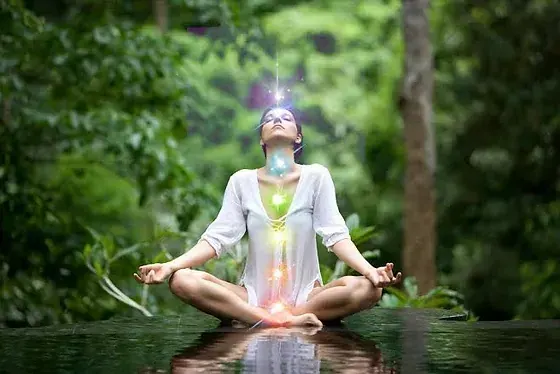
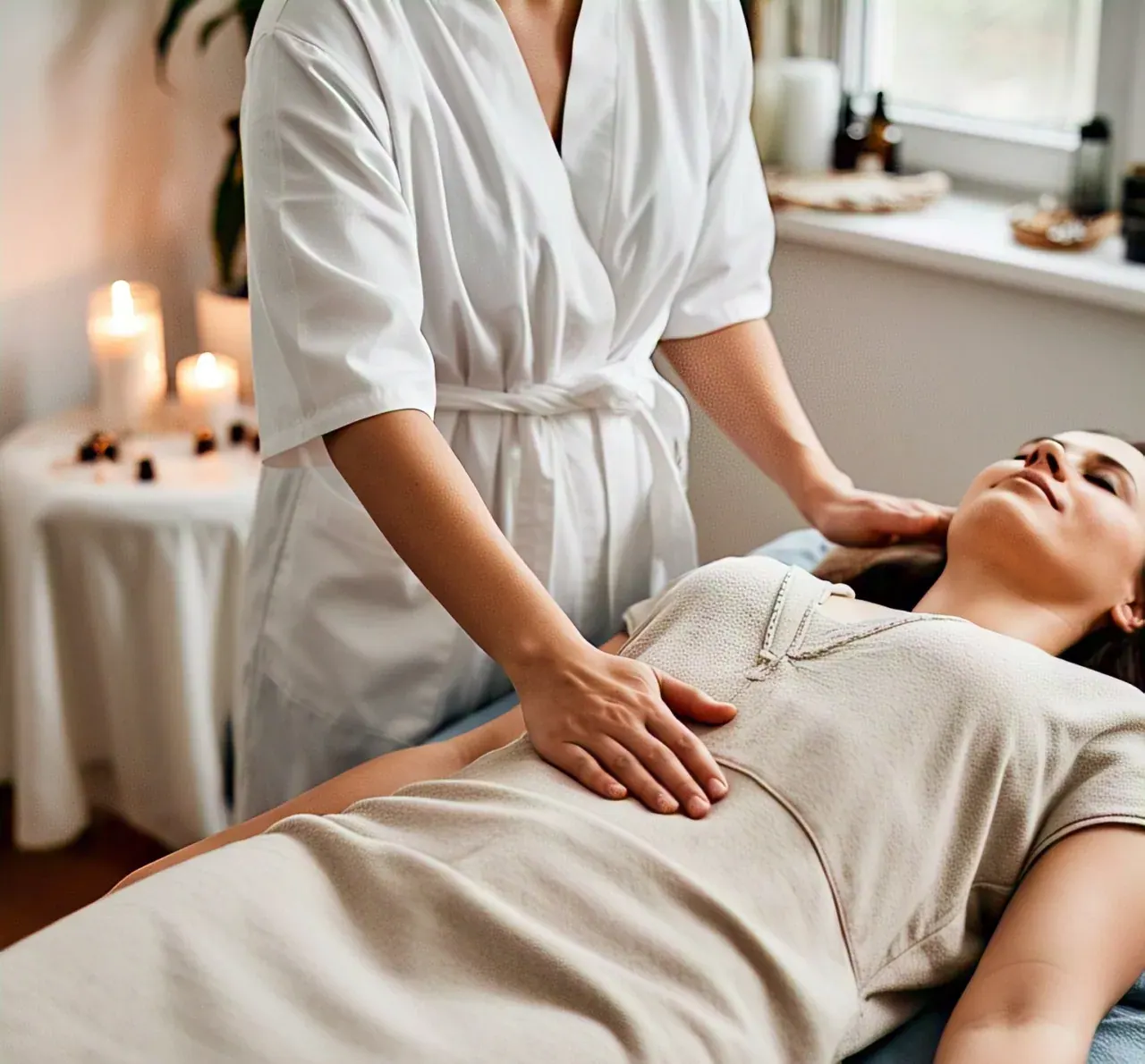
Reiki is a Japanese practice in which universal life energy is channelled through lightly placed or hovering hands, while meditation is the practice of training attention to rest calmly in the present. Reiki is something you receive or give; meditation is something you do with your own mind.
The word Reiki comes from 'Rei' (universal) and 'Ki' (life energy). In Indian traditions a similar idea of life energy is called प्राण (prana, life energy). Meditation, or ध्यान (dhyana, meditation), is found across Indian, Buddhist and many other traditions. The two practices have different roots but share one quality: both invite the body and mind to slow down.
02
How do Reiki and meditation work together?
Reiki and meditation work together because each makes the other easier. Many people find it hard to sit still and meditate; a Reiki session often leaves them relaxed enough to settle into stillness. In turn, a few minutes of meditation before Reiki can help a person arrive fully and receive the session more restfully.
01
Settling the body
Reiki's gentle, non-invasive touch can ease physical restlessness.
02
Quieting the mind
Meditation gives the mind a simple anchor, such as the breath.
03
Noticing sensations
Meditation builds awareness of subtle feelings like warmth or heaviness that some people notice during Reiki.
04
Carrying calm forward
A daily meditation habit helps extend the restful feeling of a session.
03
What is Gassho meditation in Reiki?
Gassho meditation is a simple Reiki practice in which you sit with your palms joined in front of your chest and rest your attention where the middle fingers meet. 'Gassho' is a Japanese word for hands placed together, a gesture similar to the Indian namaste.
Reiki practitioners often use Gassho to begin their day or a session. If your attention wanders, you gently bring it back to the fingertips or the breath. Even five to ten minutes is enough to feel more centred. You do not need Reiki training to try the posture as a quiet sitting practice.
04
What are the Reiki principles and how are they used in meditation?
The Reiki principles are five simple guidelines for daily life that many practitioners recite or contemplate at the beginning or end of meditation. They are commonly shared in English as follows.
01
Just for today
Do not anger.
02
Just for today
Do not worry.
03
Just for today
Be grateful.
04
Just for today
Work honestly.
05
Just for today
Be kind to every living being.
05
How can you practise Reiki meditation at home?
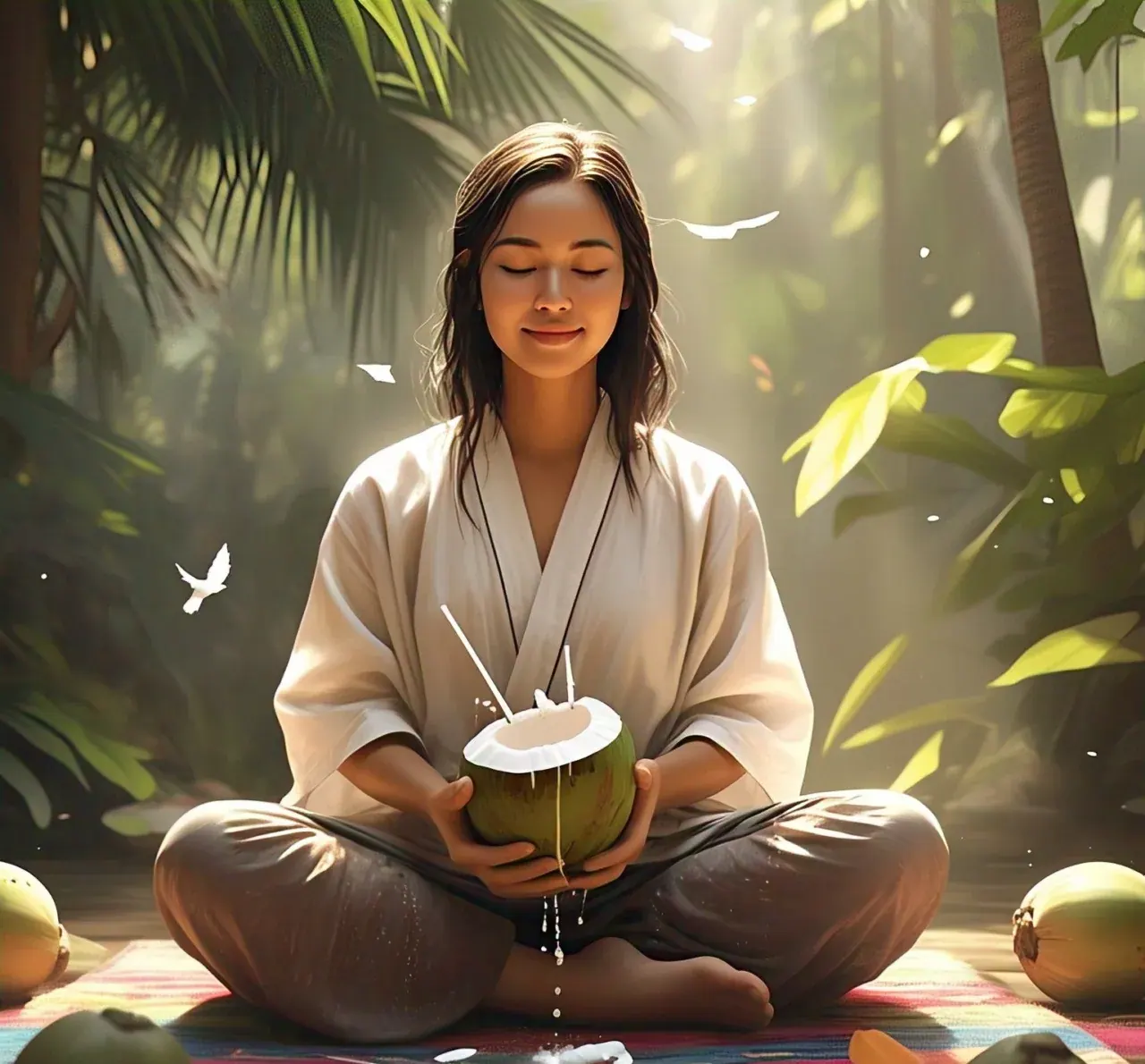
You can practise a simple Reiki-inspired meditation at home in about fifteen minutes, whether or not you are Reiki-attuned. Sit comfortably, ideally facing East or North, in a clean and quiet corner.
Begin with Gassho for a few minutes, breathing slowly. Silently repeat the five principles. Then place your hands lightly on your heart or abdomen and rest your attention on the warmth of your palms. Stay here for five to ten minutes, and finish by sitting quietly with open eyes and a glass of water. If you have received Reiki training, you may use your own self-treatment hand positions instead.
06
Where should you meditate at home as per Vastu?
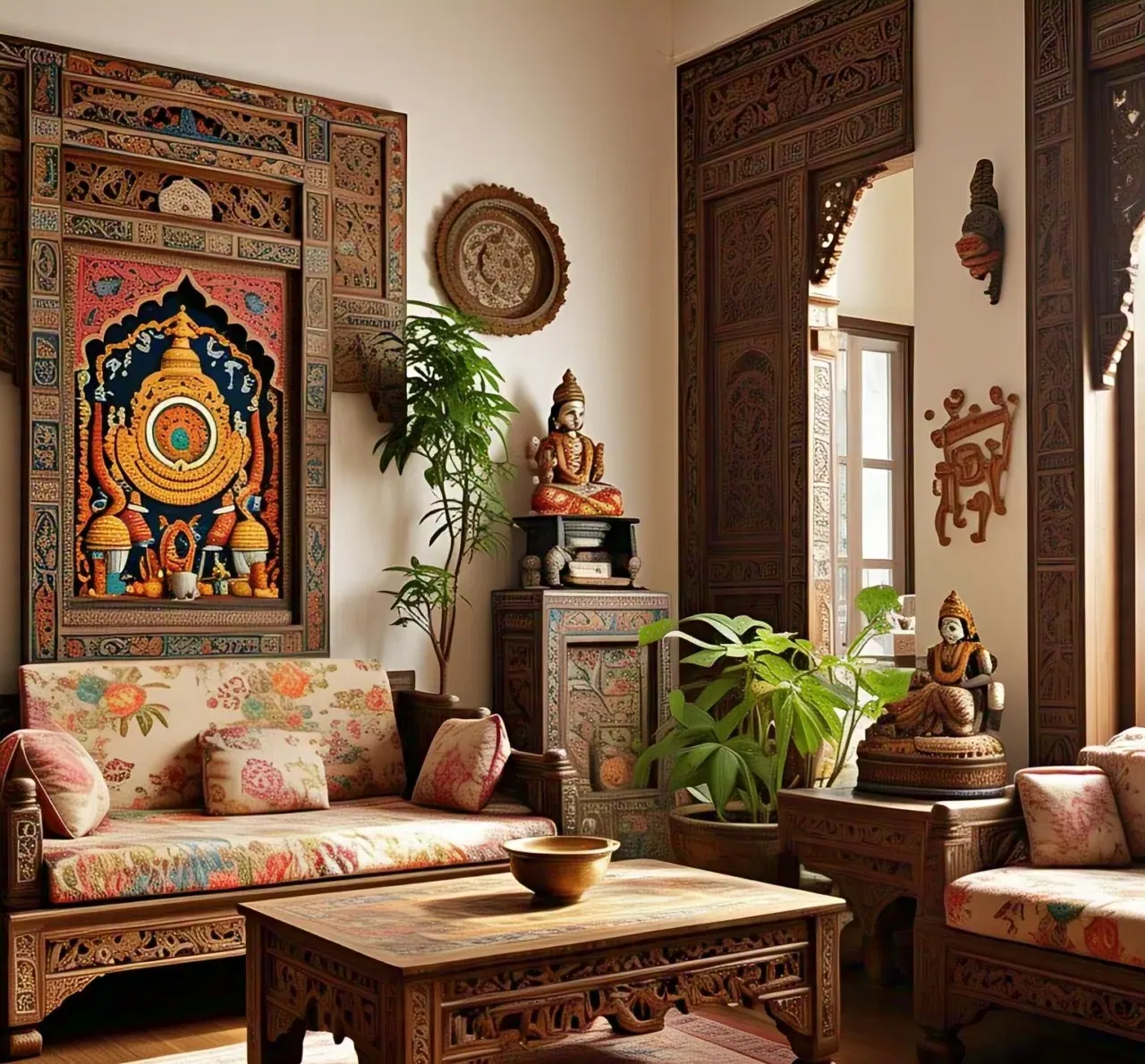
As per Vastu, meditate in the North-East of your home, the zone of Isha and the water element, which is associated with clarity and spiritual practice. If the North-East is not available, the East or North are good alternatives.
Keep your meditation corner uncluttered, well ventilated and away from toilets and heavy furniture. A mat or cushion, a diya, a small bowl of water or a crystal such as Amethyst or Clear Quartz is enough. Sitting in the same place each day helps the habit settle.
07
Can Reiki and meditation help with stress and anxiety?
Many people find Reiki and meditation relaxing during stressful periods, but neither is a treatment for anxiety or any mental health condition. They are complementary practices that can sit alongside professional care.
Please continue your doctor's advice and any prescribed treatment. Some people with trauma find closed-eye meditation uncomfortable; open-eye, short practices are fine, and it is always okay to stop. If you are struggling, please reach out to a mental-health professional. In India you can call the free Tele-MANAS helpline on 14416 (or 1-800-891-4416), available 24×7.
It also helps to keep expectations gentle. Some days a practice feels deeply calm and other days the mind stays busy, and both are normal. Reiki and meditation are not about achieving a special state, but about giving yourself regular, kind attention. Over time, many people notice they return to calm a little more easily.
08
When to book a Reiki session
Book a Reiki session if you would like guided support to relax and settle, if you are starting a meditation practice and find it hard to be still, or if your home itself feels heavy and you want to combine personal Reiki with space healing.
Dr. Kimaya Parikh-Ambekar offers Reiki healing at VastuKimaya's office in Andheri East, on-site across Mumbai, and distance Reiki for people anywhere. Each session begins with a short conversation, and Reiki is always offered alongside medical care.
Questions
Frequently asked
Do I need Reiki training to do Reiki meditation?
No. Anyone can practise Gassho meditation and contemplate the Reiki principles. Self-treatment with Reiki hand positions is usually taught after Reiki attunement.
Should I meditate before or after a Reiki session?
Either works. A few minutes of quiet breathing before a session helps you settle, and sitting quietly afterwards helps you absorb the restful feeling.
How long should a Reiki meditation last?
Ten to twenty minutes is plenty for most people. Regular short practice is more helpful than occasional long sessions.
Which direction should I face while meditating?
Face East or North while meditating, ideally sitting in the North-East of your home.
What if I feel emotional during Reiki or meditation?
Feeling emotional is common and usually passes. Pause, breathe and drink water. If strong feelings persist, speak with a mental-health professional.
Want this applied to your own home or office?
Book free consultation