




Festivals & Rituals · · 7 min read
Datta Jayanti 2026: Dattatreya Puja at Home and Where to Place the Image
Datta Jayanti falls on Wednesday 23 December 2026 according to most panchangs. A simple Dattatreya puja at home, what Gurucharitra parayan involves, and where to place the image in a flat without a pooja room.
By Dr. Kimaya Parikh-Ambekar, Vastu consultant, Andheri East, Mumbai
Read this in: हिन्दी
01
When is Datta Jayanti 2026?
According to most panchangs, Datta Jayanti 2026 falls on Wednesday 23 December, the full moon of the month of Margashirsha. The Purnima tithi begins on 23 December and ends on the morning of 24 December, but the exact times differ between sources and cities, so this article does not give them.
Please check a Mumbai panchang such as Kalnirnay, or ask your family priest, for the timing of the puja and of the evening janma celebration. Datta Jayanti falls in the same month as the Thursday Mahalakshmi vrat; see Margashirsha Guruvar 2026 for those dates.
02
Who is Dattatreya, and why is the day important in Maharashtra?
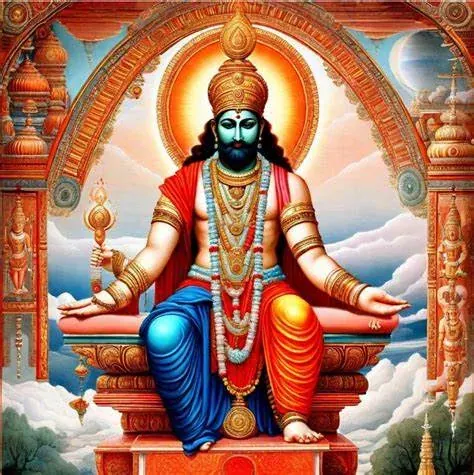
दत्तात्रेय (Dattatreya) is revered as the combined form of Brahma, Vishnu and Shiva, and as the Adi Guru, the first teacher. He is usually shown with three heads and six arms, accompanied by a cow and four dogs, often beneath an audumbar (cluster fig) tree, and is described as the son of the sage Atri and his wife Anasuya.
Datta devotion runs deep in Maharashtra and the neighbouring regions, with Datta temples and padukas visited by large numbers of devotees through the year. Thursday, the day of the Guru, is the weekly day of Datta worship in many homes, and Datta Jayanti is its high point.
03
How is Datta Jayanti celebrated at home?
At home, Datta Jayanti is usually marked with a cleaned and decorated mandir, a simple puja with flowers, a lamp and naivedya, chanting of the Datta name, and in many families an evening celebration of the birth. Nothing about it needs to be elaborate.
01
The day before
Clean the mandir and the area around it, wash the lamp and plate, and wipe the frame or idol gently.
02
The morning puja
After bathing, offer fresh flowers, light a ghee lamp and incense, and apply sandalwood paste or haldi-kumkum as your family does.
03
Chanting
श्री गुरुदेव दत्त (Shri Gurudev Datta) is the familiar chant, and many families also sing Digambara Digambara Shripad Vallabh Digambara.
04
Naivedya
In many Maharashtrian homes sunthavda, a mix of dry ginger powder, sugar and dry coconut, is offered along with a simple meal.
05
The evening janma
Many temples and some homes celebrate the birth in the evening, often with a small cradle, songs and aarti.
06
Sharing food
Feeding a guest, a cow or someone in need is part of many families' observance.
04
Which direction should a Dattatreya photo face?
Place the Dattatreya photo or idol in the North-East, North or East of the home or mandir, with the image facing West or South so that you face East or North while praying. In most flats this simply means the mandir on the East wall: the image faces West, and you face East.
The ईशान्य (Ishanya, the North-East) is the zone of the water element, clarity and spiritual practice, which is why it suits a Guru's image; Ishanya, the sacred North-East corner explains how to keep this zone light and clean.
01
Height
Keep the image raised so that its feet are roughly at the level of your chest, not on the floor.
02
Size
A framed photo or a small idol suits a home mandir; one main image is enough.
03
Not in the bedroom
Keep the image in the living room or pooja area rather than above a bed.
04
Walls to avoid
A wall shared with a toilet, and the space under a staircase or heavy beam.
05
Old images
Respectfully replace a faded or damaged picture rather than keeping it beside a new one.
05
What is Gurucharitra parayan and when does it start?
Gurucharitra parayan is the devotional reading of the गुरुचरित्र (Gurucharitra), a Marathi sacred text on the lives of Shripad Shrivallabh and Shri Narasimha Saraswati, who are revered as forms of Dattatreya. It is commonly read over seven days, a saptah, and many devotees time the reading to finish on Datta Jayanti, which in 2026 would mean beginning around 16 or 17 December.
Families and teachers differ on the exact starting day and on the discipline kept during the reading, such as diet, the seat used and the time of day. Ask the person who guides your practice, or your family priest, and confirm the start date with a Mumbai panchang.
01
The reading place
A quiet corner in the North-East or East, sitting on a clean asana and facing East or North.
02
The book
Keep it on a stand or a clean cloth, never on the floor, and wrap it when not in use.
03
The same spot daily
Reading at the same place and time each day gives the week a steady rhythm.
06
Can Datta Jayanti puja be done in a flat without a pooja room?
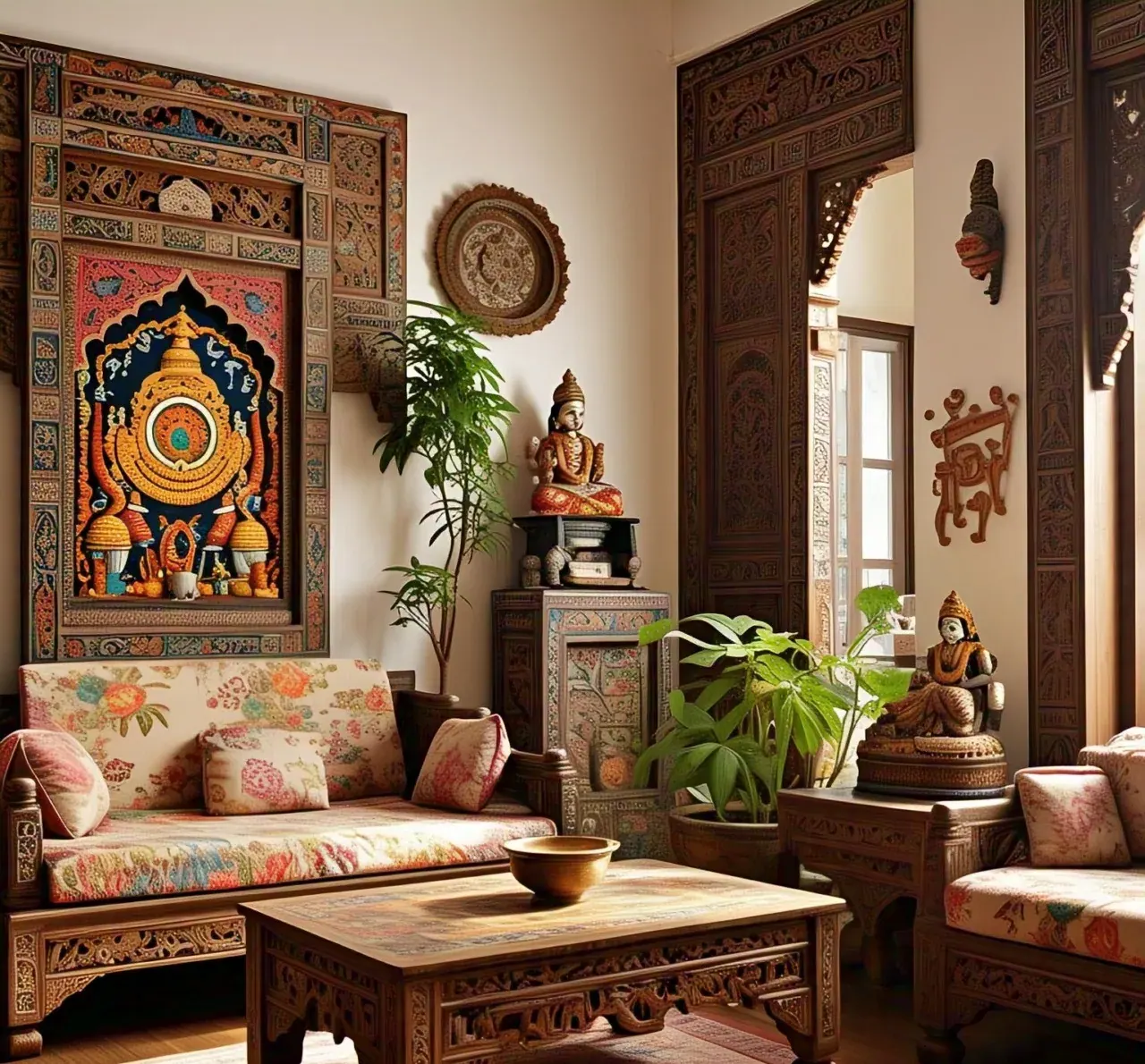
Yes. A clean, raised surface in the North-East of the living room is enough for the image, the lamp and the naivedya, and most Mumbai families perform it this way. The set-ups in pooja room Vastu for small homes, from wall-mounted shelves to cabinet mandirs, all work for the day.
Clear the corner of everyday clutter, place a small chowki or a cleared side table, cover it with a clean cloth and set the image on it. Keep the lamp on a metal plate away from curtains. If the kitchen is the only option, the North-East part of the kitchen, away from the stove and sink, is acceptable for the day.
07
How can the day bring a sense of peace into the home?
The calm of the day comes mainly from chanting, a lit lamp and a quieter household for a few hours. Switch off the television during the puja, let the family sit together for the aarti, and keep the evening simple.
A short shanti mantra at the close of the puja is a gentle way to end: ॐ शान्तिः शान्तिः शान्तिः (Om Shanti Shanti Shanti, peace in body, mind and spirit). More on this in shanti mantras for peace at home. The same full moon is also observed as Annapurna Jayanti, so many families add a word of thanks for the food in the home.
08
When to consult a Vastu expert
Consult a Vastu expert if your flat has no suitable North-East, North or East wall for the mandir, if the only option shares a wall with a toilet, or if the pooja corner never feels settled however carefully you keep it. These questions can usually be addressed with non-structural remedies.
Dr. Kimaya Parikh-Ambekar of VastuKimaya advises homes on-site across Mumbai from her Andheri East office and through distant consultations using floor plans and photographs. Devotion itself needs no consultation; this is only about the space that holds it.
Questions
Frequently asked
When is Datta Jayanti 2026?
According to most panchangs, Datta Jayanti is on Wednesday 23 December 2026, the Margashirsha Purnima. Tithi times vary by source and city, so check a Mumbai panchang such as Kalnirnay or ask your family priest.
How is Datta Jayanti celebrated at home?
With a cleaned mandir, a puja of flowers, a ghee lamp and naivedya such as sunthavda, chanting of Shri Gurudev Datta, and in many families an evening celebration of the birth with aarti.
Which direction should a Dattatreya photo face?
Place it in the North-East, North or East, facing West or South, so that you face East or North while praying. On an East wall, the image faces West and you face East.
What is Gurucharitra parayan and when does it start?
It is the devotional reading of the Gurucharitra, commonly over seven days ending on Datta Jayanti, which in 2026 means starting around 16 or 17 December. Confirm the start day with your priest or a panchang.
Can Datta Jayanti puja be done in a flat without a pooja room?
Yes. A clean chowki or side table in the North-East of the living room is enough. Keep the lamp on a metal plate and the image raised, out of the bedroom and away from a toilet wall.
Want this applied to your own home or office?
Book free first call