





Festivals & Rituals · 21 October 2026 · 8 min read
Lakshmi Puja 2026: The Meaning of the Main Diwali Night and How Families Observe It
Lakshmi Puja falls on the evening of Sunday 8 November 2026. Why Lakshmi, Ganesha and Kubera are worshipped together, how the evening usually unfolds at home, and why the doors stay open and the North and North-East matter.
By Dr. Kimaya Parikh-Ambekar, Vastu consultant, Andheri East, Mumbai
Read this in: हिन्दी
01
When is Lakshmi Puja in 2026?
According to most panchangs, Lakshmi Puja in 2026 falls on the evening of Sunday 8 November, on the अमावस्या (Amavasya, the new-moon night) that closes the month of Ashwin in the Marathi and Gujarati calendars, and falls in Kartik in North Indian ones. It is the central day of the five-day festival, coming after Naraka Chaturdashi on 7 November.
The puja is performed after sunset, during pradosh kaal, and many families follow a narrower muhurat within it. That window changes from city to city, so confirm it for Mumbai, or wherever you are, with a panchang or your family priest rather than a forwarded message. The whole five-day plan is in our Diwali 2026 Vastu calendar.
02
Why is Lakshmi Puja the main night of Diwali?
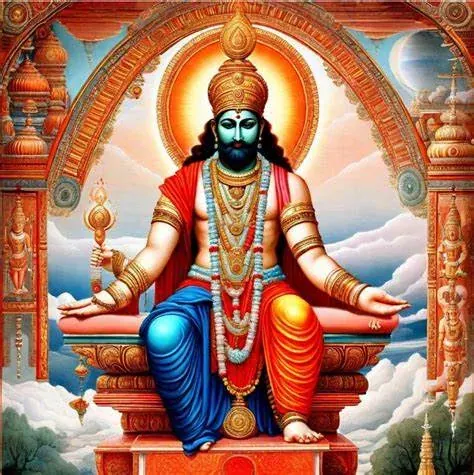
Lakshmi Puja is the main night because it is when the household formally welcomes लक्ष्मी (Lakshmi, the goddess of prosperity and well-being) on the darkest night of the month, and every lamp of the festival leads up to it. Light on a moonless night is the simplest picture of what Diwali means.
Many traditions associate Lakshmi with the churning of the ocean, from which she is said to have emerged, and Diwali also recalls Rama's return to Ayodhya, welcomed with rows of lamps. All of these stories meet at one idea: a clean, lit, open home, ready to receive what is good.
It helps to remember that Lakshmi stands for more than money. In the way most families speak of her, she is also health, harmony, food in the kitchen and peace between the people who live there. That is why the preparation covers the whole house, not only the locker.
03
Why are Lakshmi, Ganesha and Kubera worshipped together?
They are worshipped together because each brings something the others need: Ganesha clears the way and brings wisdom, Lakshmi brings prosperity, and Kubera guards and keeps it. Prosperity without good sense, or without a steady place to keep it, does not last long.
01
Ganesha, always first
Ganesha is worshipped first in almost every Hindu ritual as the remover of obstacles. On Diwali he also stands for बुद्धि (buddhi, wisdom), the judgement to use wealth well. His image is placed beside Lakshmi's, on the side your family tradition follows.
02
Lakshmi, the centre of the evening
The prayer to Lakshmi is for abundance and auspiciousness for the whole family, not for one person's fortune.
03
Kubera, the keeper
Kubera is the treasurer of the gods and, in Vastu, the guardian of the North. Some families worship his image or a Kubera yantra; many simply place the coins, jewellery or cash box that represent him before the deities.
04
Saraswati, in some homes
Business families often honour knowledge alongside wealth by worshipping the new account books the same evening, which is the idea behind Chopda Pujan.
04
How do families observe the Lakshmi Puja evening at home?
Most families follow the same broad sequence: prepare the house during the day, light the entrance at dusk, worship Ganesha first and then Lakshmi and Kubera, perform the aarti together, and then carry the light through the home. Details differ by community and region, so follow your elders or priest wherever they differ from this outline.
Which way to face and where each diya goes are covered in our guide to Lakshmi Puja direction and where to place diyas, so they are not repeated here.
01
During the day
A bath, fresh clothes and a final sweep of the entrance and the centre of the home. In many Maharashtrian homes a new broom is bought and worshipped that evening as a form of Lakshmi, a reminder that cleanliness is part of the welcome.
02
At dusk
The entrance comes first: the toran checked, the rangoli finished and the doorway lamps lit before anything else.
03
Setting up
The chowki, the kalash, the images and the offerings: flowers, kumkum, haldi, rice, sweets, puffed rice (lahya in Marathi, kheel in Hindi), batasha, coriander seeds and jaggery, with coins or jewellery placed before the deities.
04
Ganesha, then Lakshmi and Kubera
A short sankalp, a stated intention for the puja, followed by Ganesha's worship and then Lakshmi's and Kubera's.
05
Aarti together
The whole family joins in, children included.
06
Carrying the light
The remaining lamps are lit from the puja area outwards, prasad is shared, and the family eats together.
05
Why are the doors and windows kept open on Diwali night?
Doors and windows are kept open on Lakshmi Puja night because tradition holds that Lakshmi visits homes that are lit and welcoming, and a closed, dark house is the opposite of an invitation. In Vastu, the main door is the mouth of the home through which प्राण (prana, life energy) enters, and an open, bright entrance expresses exactly that.
In a Mumbai flat, apply it sensibly. Keep the main door open or ajar during the puja and while the family is gathered, with the safety grille latched if you have one, and close it when everyone goes to bed. Open the windows on the North and East sides for fresh air, especially while many lamps and incense are burning, and close them if firecracker smoke outside is heavy.
Keep a lamp burning at the entrance through the evening, but only while someone is awake to watch it. The tradition asks for light and welcome, not for an unattended flame near a curtain or a child.
06
Why do the North and North-East matter on Lakshmi Puja night?
The North and North-East matter because the North is Kubera's direction, linked with wealth and new opportunities, and ईशान्य (Ishanya, the North-East) is the zone of Isha and of the water element, the most sacred corner of the home. Lakshmi Puja draws on both, which is why the chowki usually sits in the North-East and the family faces North or East.
01
Keep both zones clear
Festival shopping bags, gift hampers, shoes and stacked boxes tend to pile up in exactly these corners. Move them to the South or West for the evening.
02
Water in the North-East
A कलश (kalash, a pot of water crowned with leaves and a coconut) on or near the chowki brings the water element into the North-East.
03
The locker and the North
If the cash box or locker is opened for the puja, it traditionally stands against the South or South-West wall and opens towards the North. Our article on Kubera and the North explains why.
04
If the North-East is not usable
If that corner is a toilet, a kitchen or a utility area, choose the next clean spot in the North or East. Every layout has a workable answer, and devotion matters more than perfect measurement.
07
What should you do on the morning after Lakshmi Puja?
On the morning after Lakshmi Puja, clear the burnt-out lamps and wilted flowers, share the remaining prasad, and leave the chowki tidy rather than dismantled in a hurry. In some homes the images stay in place for a few days; follow your family's practice.
Then turn towards the next festival day, Govardhan Puja and Diwali Padwa. Panchangs differ by a day this year, with some giving Monday 9 November and others Tuesday 10 November, so check your own calendar before planning the Annakut meal or the Padwa aarti.
08
When to consult a Vastu expert
Consult a Vastu expert if Diwali keeps showing you the same problem: a puja corner that never feels settled, a North-East taken up by a toilet or a storeroom, or an entrance that stays dark whatever you light there. These are layout questions, usually solvable without breaking a wall.
Dr. Kimaya Parikh-Ambekar advises homes from the VastuKimaya office in Andheri East, on-site across Mumbai, and through distant consultations using your floor plan and photographs. Remedies are non-structural, so they suit rented flats as well. Vastu supports a calmer, more orderly home; it is not a promise of wealth, and it sits alongside your own effort and good sense.
Questions
Frequently asked
When is Lakshmi Puja in 2026?
According to most panchangs, Lakshmi Puja is on the evening of Sunday 8 November 2026, during pradosh kaal after sunset. Confirm the exact muhurat for your city with a panchang or your family priest.
Why is Ganesha worshipped before Lakshmi on Diwali?
Ganesha is worshipped first in most Hindu rituals as the remover of obstacles. On Diwali he also represents wisdom, the good sense to use prosperity well, which is why he is placed beside Lakshmi.
Why is Kubera worshipped on Diwali?
Kubera is the treasurer of the gods and the guardian of the North. He is worshipped alongside Lakshmi as the one who protects and keeps wealth, often represented by coins, jewellery or the family cash box.
Should the main door be kept open on Diwali night?
Traditionally, yes. Keep the main door open or ajar during the puja and while the family is gathered, to welcome Lakshmi, and close it when everyone goes to bed. Never leave lamps burning unattended.
Can Lakshmi Puja be done at home without a priest?
Yes. Many families perform it themselves, guided by an elder or a simple puja book: Ganesha first, then Lakshmi and Kubera, followed by the aarti and the lighting of lamps through the home.
What is offered to Goddess Lakshmi on Diwali?
Common offerings are flowers, kumkum, haldi, rice, sweets, puffed rice, batasha, coriander seeds and jaggery, with coins or jewellery placed before her. Offerings vary by family and region.
Want this applied to your own home or office?
Book free first call