






Festivals & Rituals · 21 October 2026 · 7 min read
Naraka Chaturdashi 2026 (Choti Diwali): Abhyanga Snan and the First Lamps
Naraka Chaturdashi 2026 is marked on 7 November in many calendars, with the pre-dawn Abhyanga Snan on 8 November in several Indian panchangs. What the day means, how the oil bath is done at home, and where the first diyas go.
By Dr. Kimaya Parikh-Ambekar, Vastu consultant, Andheri East, Mumbai
Read this in: हिन्दी

01
When is Naraka Chaturdashi in 2026?
Many calendars mark Naraka Chaturdashi, or Choti Diwali, on Saturday 7 November 2026, the day between Dhanteras and Lakshmi Puja. The Chaturdashi tithi begins in the late morning of 7 November and ends in the late morning of 8 November.
This matters for the bath. The Abhyanga Snan is taken before sunrise while Chaturdashi is current, and for Indian cities several panchangs, including Drik Panchang, place it on the morning of Sunday 8 November, the same day as Lakshmi Puja. Others keep it on 7 November. Ask your family priest or check a local panchang for Mumbai, and follow what your family observes. We have not given timings here on purpose.
02
What is the significance of Naraka Chaturdashi?
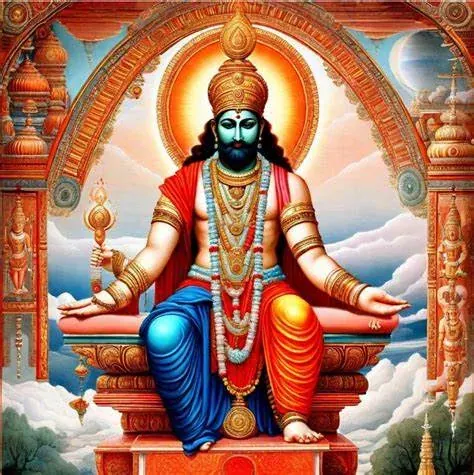
Naraka Chaturdashi celebrates the victory of light over darkness, told through Krishna's defeat of the demon Narakasura. It is the day a household clears away the last of what is dull and heavy, in the home and in oneself, before the main night of Diwali.
The names change across India. In Maharashtra it is Narak Chaturdashi, the morning of the Abhyanga Snan and the first plate of Diwali faral. Gujarati families observe Kali Chaudas, many North Indian homes call it Roop Chaudas or Choti Diwali, and in much of South India this morning is Deepavali itself. Customs vary by community, and every one of them is a valid way to keep the day.
03
What is the story of Narakasura?
Narakasura was a powerful king who grew arrogant and cruel and held many people captive. In the version told in many homes, Krishna, with Satyabhama at his side, defeated him and set the captives free.
One telling adds that Narakasura asked, at the end, that the day be remembered with light. Whichever version your family tells, the meaning is simple: whatever has kept a home in the dark can be faced and let go. In Maharashtra this is acted out after the bath, when a small bitter fruit called karit is crushed underfoot to stand for the defeat of the demon.
04
What is Abhyanga Snan, and how is it done at home?
Abhyanga Snan is a ritual bath taken before sunrise after applying oil and a fragrant paste to the body. The name joins अभ्यंग (abhyanga, anointing with oil) and स्नान (snan, bath). It is a ritual of cleansing and renewal, and in many families it is the most remembered moment of Diwali.
In Maharashtrian homes the paste is उटणे (utane, a herbal bathing paste), much like the ubtan used elsewhere, usually made from gram flour, turmeric and fragrant powders or bought ready-made. The eldest woman often does an aarti, the ovalni, for each family member before they bathe.
01
The night before
Set out the oil, utane, towels and the new or freshly washed clothes on a tray, not on the bathroom floor.
02
Before dawn
Wake while it is still dark, apply a little oil, then the utane, and bathe with warm water.
03
After the bath
Wear fresh clothes, offer a prayer in the puja corner and share the faral with the family.
04
Take care
Oil makes bathroom floors slippery, so keep a dry mat ready and help elderly relatives and children. If you have sensitive skin, try a new paste on a small patch the day before.
05
Which corners should be cleared on Choti Diwali?
Clear the corners the deep clean missed: the places behind doors, under beds and above the cupboards that stay dark through the year. This is a final pass, not a second deep clean; the main order of cleaning is in Diwali cleaning the Vastu way.
In Vastu, corners and the spaces behind things are where stale energy gathers, because light and air do not reach them. Opening them up on Naraka Chaturdashi suits the meaning of the day.
01
Behind the main door
Remove anything that stops the door opening fully, including bags and umbrellas hung on the back.
02
Under the beds
Pull out boxes, sweep, and put back only what you actually need.
03
The bathroom
Throw out empty bottles and old razors, and wipe the exhaust fan and mirror before the morning bath.
04
The balcony
Clear dead plants and broken pots so the lamps there have a clean place to sit.
05
Leftovers
If you are unsure what to do with what you clear, see what to do with everything you clear out.
06
Where should the first diyas be placed on Naraka Chaturdashi?
Place the first diyas at the main entrance, then in the kitchen, the bathroom doorway, the balcony and any corner that usually stays dark. The idea of the day is that no part of the home is left in darkness on the eve of Lakshmi Puja. Some families light fourteen lamps, one for the fourteenth tithi; others light fewer. The number is a family custom, not a Vastu requirement.
The दीप (deep, lamp) at the entrance comes first, as it does every evening of Diwali. In many Maharashtrian homes the akash kandil is already glowing at the window or balcony by now; where to hang the akash kandil covers its placement.
01
Entrance
A pair of lamps, one on each side of the threshold, beside the rangoli.
02
Kitchen
One in the South-East, the fire zone, on a steel plate well away from the gas pipe and stove.
03
Bathroom doorway
One outside the door, not inside, to light a zone that otherwise stays dark.
04
Balcony or window ledge
Lamps that can be seen from outside, on a stable base and away from curtains.
05
The South
If your family offers the Yama lamp on this day rather than on Dhanteras, place it outside the main door facing South.
07
How does Choti Diwali lead into Lakshmi Puja?
Choti Diwali is the last day of preparation before Lakshmi Puja on Sunday 8 November. If your family takes the Abhyanga Snan on the morning of the 8th, the day becomes long: bath before dawn, puja after sunset. Do the corner-clearing and lamp set-up on Saturday so Sunday stays calm.
Keep the safety basics in mind every evening. Never leave lamps burning in an empty room, keep them away from curtains and dupattas, and put out every flame no one is watching before bed.
Read why Dhanteras matters for the day before, and the meaning of Lakshmi Puja for the night ahead. Directions and diya placement for the puja itself are in Lakshmi Puja direction and where to place diyas, and the full five days are in our Diwali 2026 Vastu calendar.
08
When to consult a Vastu expert
Consult a Vastu expert if some rooms stay dark and heavy however often you clean them, or if the bathroom or a toilet sits in the North-East or the centre of the home. These are patterns in the layout rather than in the housekeeping.
Dr. Kimaya Parikh-Ambekar of VastuKimaya consults on-site across Mumbai from her office in Andheri East, and through distant consultations using floor plans and photographs. Her remedies are non-structural, using light, colour, salt, crystals and Reiki, and need no demolition.
Questions
Frequently asked
When is Naraka Chaturdashi in 2026?
Many calendars mark it on Saturday 7 November 2026. Several Indian panchangs place the pre-dawn Abhyanga Snan on Sunday 8 November, so confirm with a local panchang or your family priest.
Is Choti Diwali the same as Naraka Chaturdashi?
Yes. Choti Diwali is the popular name for Naraka Chaturdashi, the day before Lakshmi Puja. It is also called Narak Chaturdashi in Maharashtra, Kali Chaudas in Gujarat and Roop Chaudas in parts of North India.
What is Abhyanga Snan on Diwali?
It is a ritual bath taken before sunrise on Naraka Chaturdashi after applying oil and utane or ubtan. It marks cleansing and a fresh start for the festival.
What is utane made of?
Utane is usually a mix of gram flour, turmeric and fragrant herbal powders, mixed with water, milk or rose water. Ready-made utane is widely sold in Mumbai before Diwali.
How many diyas should be lit on Choti Diwali?
Some families light fourteen, one for the fourteenth tithi, while others light a few. No number is required; lighting the entrance and dark corners matters more.
Why is karit crushed on Narak Chaturdashi?
In Maharashtrian homes, crushing the bitter karit fruit after the bath symbolises Krishna's defeat of Narakasura and the removal of what is bitter or dark.
Want this applied to your own home or office?
Book free first call