







Health & Wellbeing · 19 September 2026 · 5 min read
A Calmer Home for Caregivers Looking After a Loved One
Caring for an ageing parent or an unwell family member can leave little room to breathe. Gentle ideas for a caregiver's calm home: a restful room for your loved one and a corner for yourself.
By Dr. Kimaya Parikh-Ambekar, Vastu consultant, Andheri East, Mumbai
01
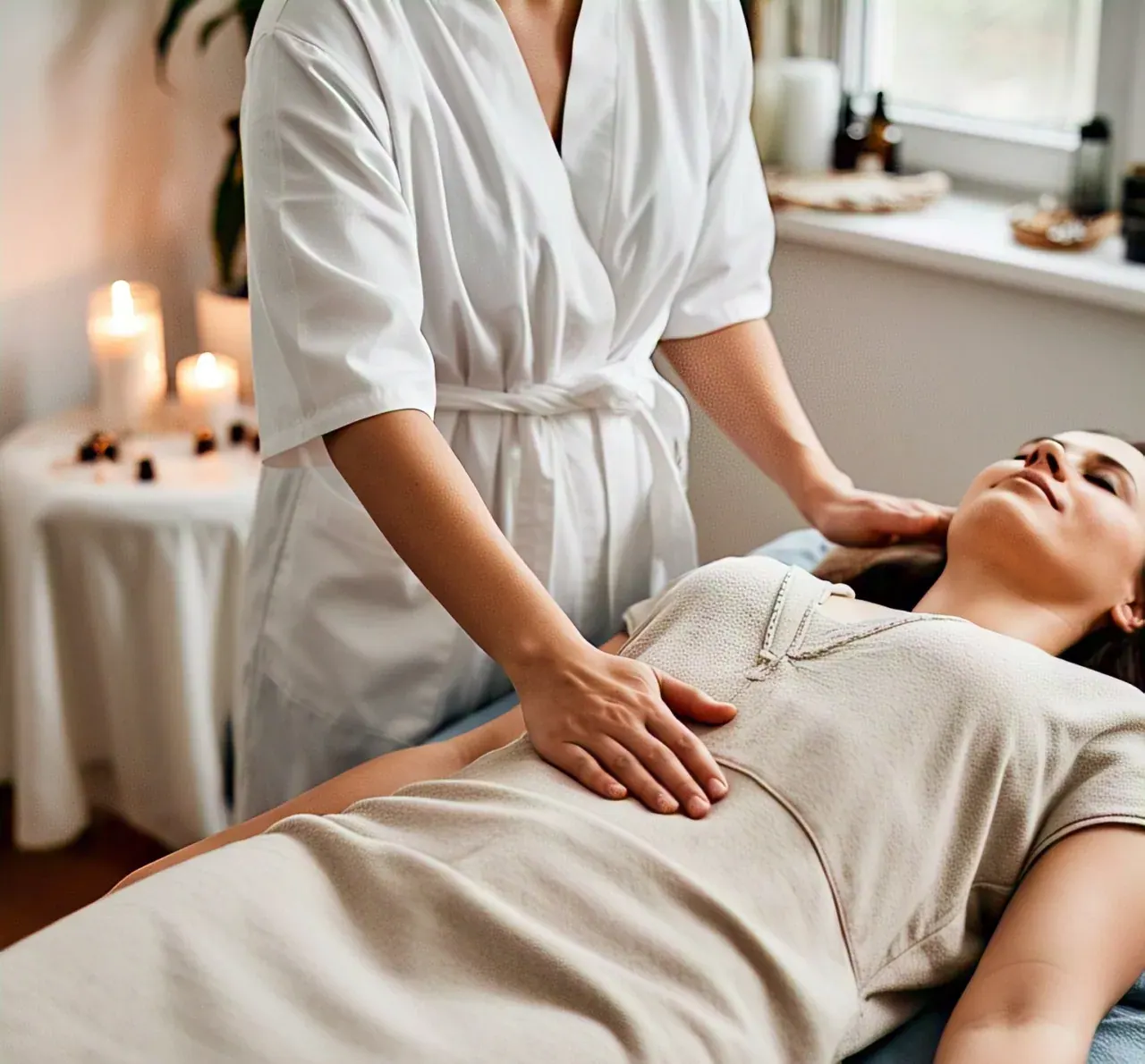
How can a home support caregivers and their loved ones?
A home can support caregiving by making daily care easier, keeping the atmosphere calm and giving the caregiver a place to rest. When a parent, spouse or child needs ongoing care, the home often fills with equipment, medicines and constant activity, and the caregiver's own needs slip away.
Vastu offers gentle, practical ways to bring order and peace to this situation, without any demolition. It complements and does not replace medical care, nursing guidance or emotional support. Please follow the advice of your loved one's doctors, and look after your own health too.
If you are struggling, please reach out to a mental-health professional. In India you can call the free Tele-MANAS helpline on 14416 (or 1-800-891-4416), available 24×7.
02
Where should your loved one's room be?
Your loved one's room is ideally in the South-West or West of the home, which are associated with stability and rest, but safety and access always come first. An elderly parent who struggles with steps or distance may be better placed closer to the bathroom and the living area, whatever the direction.
In a compact Mumbai flat, the most practical room is often the right one. Work within it by arranging the bed well, keeping the room bright and airy, and adding simple non-structural remedies if needed.
03
How should the bed be arranged for comfort and rest?
Arrange the bed so the person's head points towards the South or East, with the headboard against a solid wall and space on both sides for care. This follows Vastu's sleeping guidance while making it easier to help with turning, feeding and hygiene.
01
Not under a beam
Avoid placing the bed under a beam, associated with a heavy, pressured feeling.
02
View of the window
Where possible, let them see daylight, sky or a plant from the bed.
03
No mirror facing the bed
Move or cover mirrors facing the bed, as they are associated with disturbed rest.
04
Clear pathways
Keep a clear route to the bathroom and door to prevent falls; use night lights.
05
Medical equipment
Place monitors, oxygen concentrators and electrical devices safely, preferably towards the South-East of the room, following medical instructions.
04
How should medicines and care supplies be organised?
Organise medicines and care supplies in one clean, labelled place, so doses are not missed and the room does not feel crowded. Many families keep medicines in the North-East of the room or home, a zone associated with wellbeing, as long as it stays neat and light.
Use a pill organiser, a written schedule and clear boxes for dressings, gloves and hygiene supplies. Store bulky items such as adult diapers or extra linen in a closed cupboard on the South or West wall. Discard expired medicines safely and regularly; old, unused items are associated with stagnation.
05
How can the atmosphere of a care room feel lighter?
A care room feels lighter when it is well ventilated, gently lit, clean and personal. Long stays in bed can make a room feel heavy, and small touches help both the patient and the caregiver.
01
Fresh air
Open windows daily, as health permits, to let in प्राण (prana, life energy).
02
Soft colours
Light, soothing shades such as cream, soft green or pale blue through linen and curtains.
03
Familiar things
Family photographs, a favourite shawl or a small devotional image bring comfort.
04
Gentle sound
Soft bhajans, instrumental music or a quiet chant of ॐ (Om) can create a peaceful atmosphere.
05
Space cleansing
A bowl of rock salt in a corner, changed regularly, is a simple cleansing habit; keep it safely out of the way.
06
Why does the caregiver need a corner of their own?
The caregiver needs a corner of their own because rest and small moments of peace help sustain long-term care. Caregivers often sleep lightly, eat in a hurry and give up their own space entirely.
Even a single chair by an East or North window, with a small table for tea, a book or a journal, can become a place to pause. If possible, keep this corner separate from medical supplies. A few minutes of slow breathing or quiet prayer here, perhaps in the North-East where ईशान्य (Ishanya, the North-East) is associated with calm and clarity, can help you reset before returning to care.
07
What daily habits help caregivers cope?
Small daily habits help caregivers cope better than trying to do everything perfectly. Sharing the load is not a failure; it is part of caring well.
01
Ask for help
Involve other family members, trained attendants or home nursing services where possible.
02
Keep a simple routine
Fixed times for meals, medicines and rest bring order to both lives.
03
Step outside
A short walk or a few minutes on the balcony each day brings fresh air and perspective.
04
Talk to someone
Caregiver support groups, counsellors or trusted friends can ease the emotional weight.
05
Your own health
Keep your own medical appointments and sleep when you can.
08
When to consult a Vastu expert
Consider a consultation when setting up a home for long-term care, moving a loved one into your home, or when the home feels heavy and disorganised despite your efforts. Dr. Kimaya Parikh-Ambekar can suggest gentle, non-structural changes that respect medical needs and safety, and Reiki Vastu can be used to cleanse and calm the space.
VastuKimaya is based in Andheri East, with on-site visits across Mumbai and distant consultations using floor plans and photographs, which can be easier for caregivers who cannot leave home. These approaches complement the care of doctors, nurses and counsellors.
Questions
Frequently asked
Which direction should a sick person sleep in as per Vastu?
Vastu suggests sleeping with the head towards the South or East. Always prioritise medical advice, comfort and safety in positioning.
Where should medicines be kept as per Vastu?
Many families keep medicines in the North-East, a zone associated with wellbeing, in a clean, organised box. Keep them safely out of children's reach.
Can Vastu help an elderly parent recover?
Vastu does not treat illness. It can help create a calmer, more comfortable environment, which complements medical care from doctors.
How can a caregiver reduce stress at home?
Create a small rest corner, share care duties, keep routines simple and seek support from counsellors or support groups. The Tele-MANAS helpline on 14416 is free and available 24×7.
Is Reiki safe alongside medical treatment?
Reiki is a gentle, non-invasive practice often used alongside medical care. Continue all treatment as advised by doctors and inform them of any complementary therapies.
Want this applied to your own home or office?
Book free consultation