






Health & Wellbeing · 19 September 2026 · 5 min read
Reiki for Emotional Balance: What It Can and Cannot Do
An honest look at Reiki for emotional healing: what a session feels like, how it may help you relax and feel steadier, and why it works alongside — not instead of — professional care.
By Dr. Kimaya Parikh-Ambekar, Vastu consultant, Andheri East, Mumbai

01
What is Reiki, in simple words?
Reiki is a Japanese relaxation and energy-balancing practice in which a practitioner channels universal life energy through lightly placed or hovering hands. The word combines “Rei” (universal) and “Ki” (life energy), similar to the Indian idea of प्राण (prana, life energy).
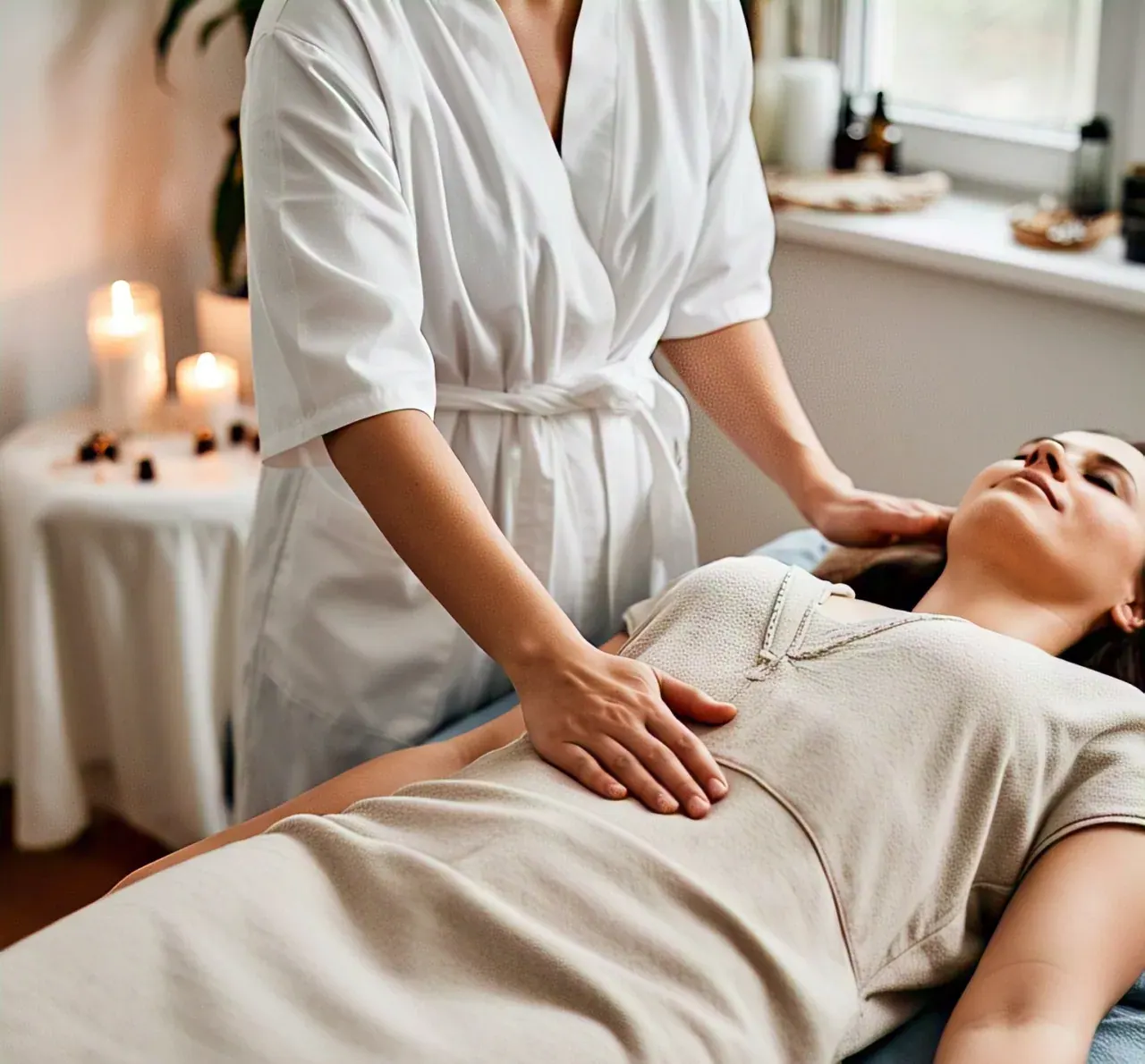
There is no massage, no pressure on the body and no medicine. You stay fully clothed, usually lying down or sitting comfortably. Many people simply describe a session as deeply restful.
02
What can Reiki do for emotional balance?
Reiki can offer a quiet, restful space in which many people feel calmer, lighter and more settled. For someone carrying work pressure, family responsibilities or a period of change, that pause itself can be valuable.
People commonly describe the following after sessions — experiences vary from person to person, and none of them can be promised:
01
Relaxation
A sense of the body and breath slowing down.
02
Feeling steadier
Being a little less reactive to everyday stress.
03
Easier rest
Finding it easier to switch off in the evening.
04
Space to reflect
A calmer frame of mind to think through a situation.
05
A sense of care
Feeling looked after during a demanding phase.
03
What can Reiki not do?
Reiki cannot diagnose, treat or replace care for any mental-health or medical condition. It is not a substitute for a psychiatrist, psychologist, counsellor or doctor, and it is not a quick fix for deep emotional pain.
Please do not stop or reduce medication, therapy or any treatment because you have started Reiki. If you are living with anxiety, depression, trauma, grief or addiction, Reiki may be one gentle support among several, used with the knowledge of your care team.
If you are struggling, please reach out to a mental-health professional. In India you can call the free Tele-MANAS helpline on 14416 (or 1-800-891-4416), available 24×7.
04
What happens in a Reiki session with Dr. Kimaya?
A session begins with a short, unhurried conversation about what you are experiencing and what you hope to feel. Nothing needs to be explained in detail if you are not comfortable.
You then relax while Dr. Kimaya places her hands lightly on, or just above, different areas such as the head, shoulders and hands. Some people feel warmth, tingling or heaviness; others feel nothing in particular and simply rest. Afterwards there is time to sit quietly, drink water and share anything you noticed. Distance Reiki follows a similar pattern, with you resting at home at an agreed time.
05
How can Reiki fit alongside therapy or counselling?
Reiki can sit alongside therapy as a relaxation practice, while therapy remains the place to work through thoughts, patterns and experiences with a trained professional. The two do different jobs.
It helps to tell your therapist or doctor that you are trying Reiki, and to tell your Reiki practitioner about any care you are receiving. If a session ever brings up strong emotions, pause, breathe, and bring it to your therapist rather than trying to handle it alone.
06
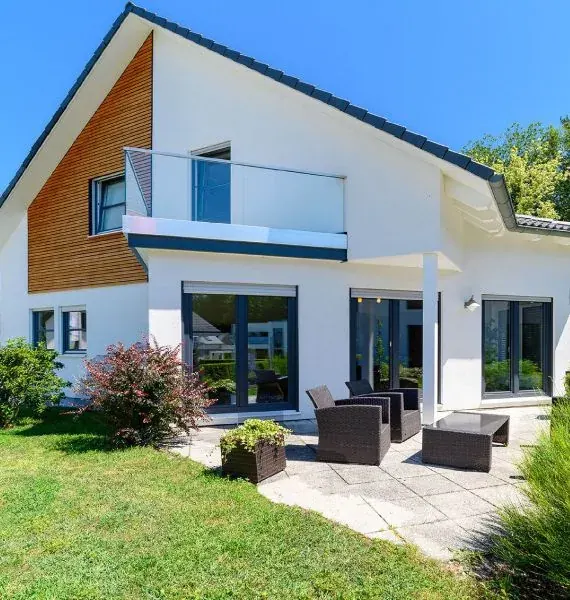
Can your home environment support emotional balance?
Yes, a calm, orderly home can make everyday stress a little easier to carry, which is why Dr. Kimaya often looks at the space as well as the person. Simple steps help:
01
Declutter one corner
Start small — a bedside table or a work desk — rather than the whole flat.
02
Light and air
Open windows each morning and let natural light in, especially from the East.
03
Sleeping direction
Rest with the head towards the South or East where the room allows.
04
A quiet corner
Keep the North-East light and peaceful, perhaps with a diya or a small plant, for a few minutes of stillness.
05
Soft sound
Gentle music, a singing bowl or a short chant such as ॐ शान्तिः शान्तिः शान्तिः (Om Shanti Shanti Shanti — peace, peace, peace).
07
How many Reiki sessions do people usually take?
There is no fixed number; some people come for a single session to unwind, while others choose a short series during a stressful period. Dr. Kimaya discusses what feels right after the first session, without pressure.
Notice how you feel in your daily life over the following days — sleep, patience, energy — rather than looking for a dramatic change. If what you are carrying feels too heavy, prioritise professional mental-health support.
08
When to book a Reiki session
Consider booking a Reiki session when you want a calm, supportive space to relax during a demanding phase — exams, a new job, a move, family changes or recovery — and you are already taking care of any medical or psychological needs.
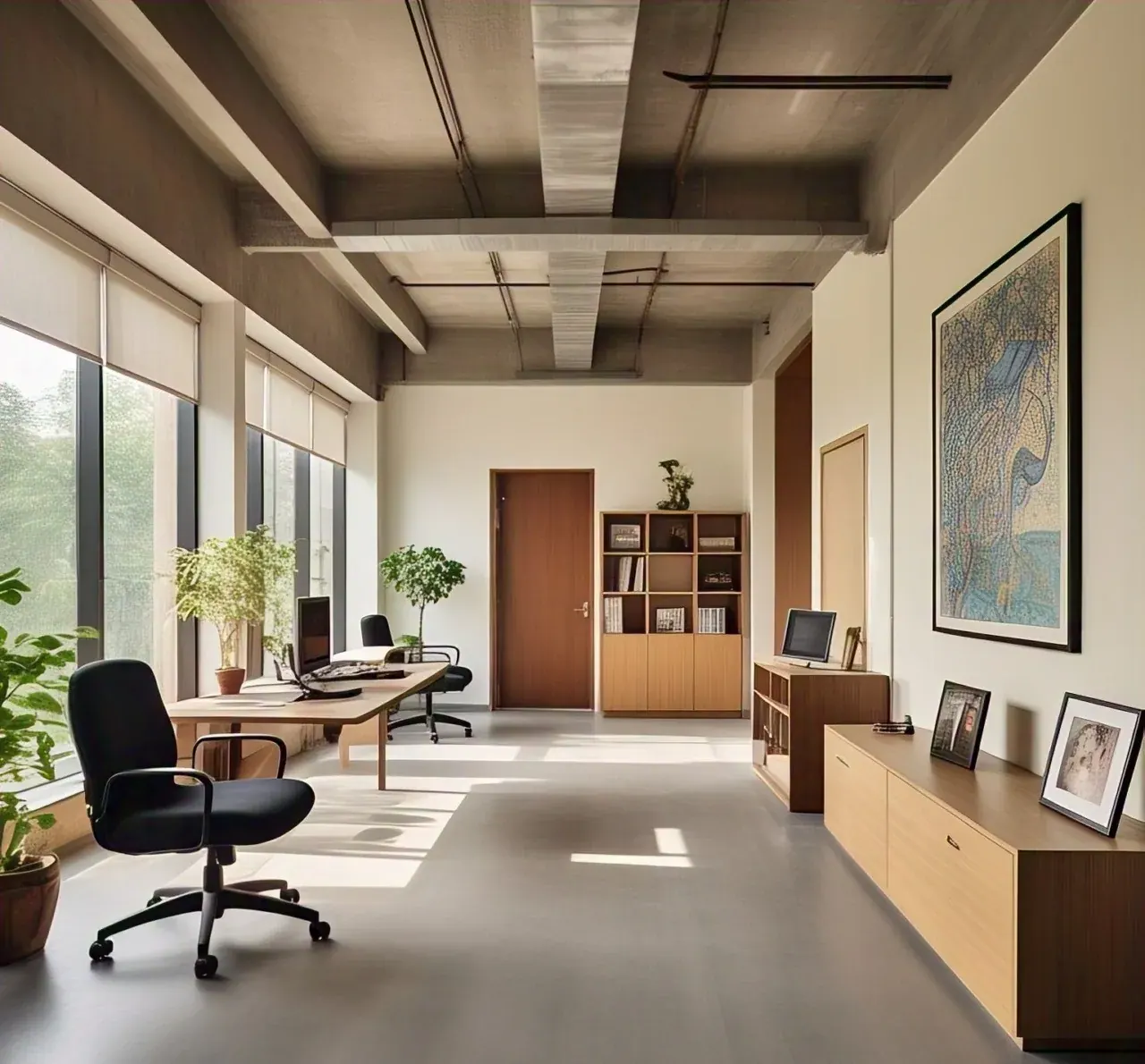
Dr. Kimaya Parikh-Ambekar offers in-person Reiki at her Andheri East office in Mumbai, as well as distance Reiki. Where the home also feels unsettled, she can combine Reiki with a Vastu consultation, on-site across Mumbai or by distant analysis of your floor plan.
Questions
Frequently asked
Can Reiki help with anxiety?
Reiki may help some people feel more relaxed, but it is not a treatment for anxiety. If you experience anxiety, please consult a doctor or mental-health professional and use Reiki only as a complementary relaxation practice.
Is Reiki safe for everyone?
Reiki is gentle and non-invasive, and involves no pressure or medicine. People with medical or psychiatric conditions, and pregnant women, should continue all prescribed care and inform their doctor.
Does distance Reiki work for emotional healing?
Many people find distance Reiki relaxing in the same way as an in-person session, as they rest quietly at home at an agreed time. Experiences vary, and it does not replace professional care.
What should I do after a Reiki session?
Drink water, rest if you can, and avoid rushing into a busy schedule. Note how you feel over the next few days, and share any strong emotions with a trusted person or therapist.
Can children or elders receive Reiki?
Yes, Reiki can be offered gently to elders and, with a parent's consent and presence, to children. It supports relaxation only and does not replace medical or developmental care.
Want this applied to your own home or office?
Book free consultation