






Health & Wellbeing · 19 September 2026 · 5 min read
Indoor Plants for Health as per Vastu
Which indoor plants support a healthy, peaceful home as per Vastu, and where should they go? Tulsi, money plant, areca palm and more, with simple care tips.
By Dr. Kimaya Parikh-Ambekar, Vastu consultant, Andheri East, Mumbai
01
Do indoor plants support health as per Vastu?
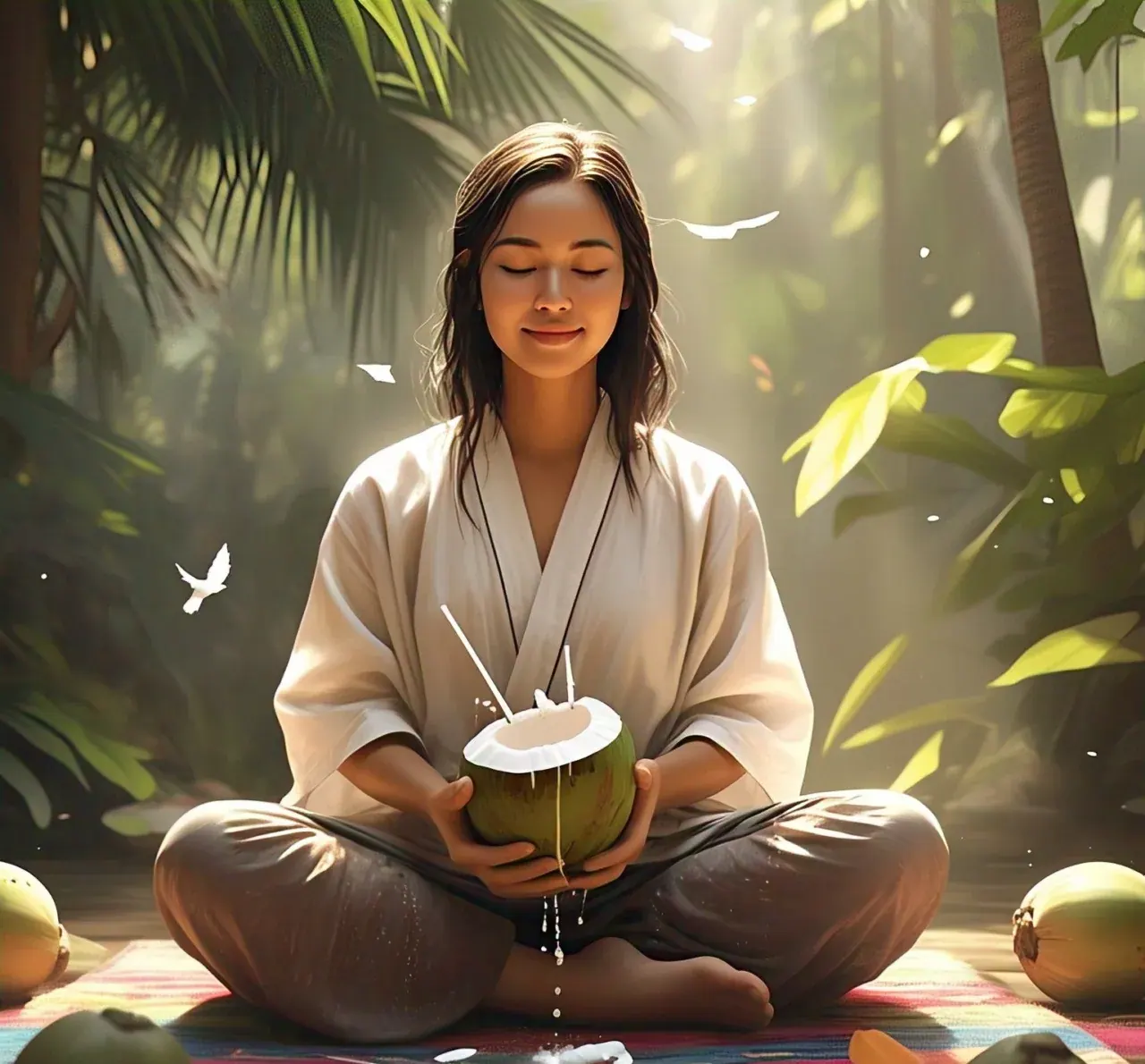
Yes, Vastu treats healthy indoor plants as a supportive way to bring living energy, or प्राण (prana, life energy), into the home. Green, thriving plants connect a flat to nature, soften hard surfaces and make rooms feel calmer.
It helps to be realistic. Plants make a space feel fresher and more pleasant, and caring for them can be a relaxing daily habit. They complement a healthy lifestyle and medical care; they do not treat illness. If you or a family member has a health concern, please continue to follow your doctor's advice.
02
Which is the most important plant for health in Vastu?
Tulsi, or holy basil, is the most revered plant for health and purity in Vastu and Indian tradition. Many homes keep a Tulsi pot and offer water to it each morning as a simple act of devotion and care.
Keep Tulsi in the North, East or North-East, where it receives morning sunlight. In Mumbai flats, an East or North-facing balcony or a sunny window ledge works well. Tulsi needs direct light, so it rarely thrives in a dark corner of the living room.
03
Where should other indoor plants be placed?
Place most small and medium leafy plants in the North, East and North-East, and larger, heavier pots in the South or West. This keeps the North-East light while giving the earth zones a sense of stability.
01
Money plant
The South-East or North; keep the vine healthy and avoid letting it trail on the floor.
02
Areca palm
The East or North of the living room, in bright indirect light.
03
Peace lily
The North or East, or in a bedroom corner with filtered light.
04
Snake plant
The South, West or South-West, where its upright form suits the earth zones.
05
Aloe vera
A sunny East or South-East window ledge.
06
Lucky bamboo
The East or South-East, in clean water changed every week.
04
Which plants should be avoided indoors?
Thorny plants such as cacti are traditionally avoided inside the home, especially in bedrooms and the North-East, because sharp forms are associated with tension. If you love succulents, keep spiny varieties on an outer balcony rather than in the living area.
Vastu also advises against keeping dead, drying or diseased plants indoors. Bonsai is traditionally avoided by many consultants because it symbolises restricted growth. Plants with milky sap can irritate skin, so place them away from children and pets, and check whether any plant is safe for your pets before bringing it home.
05
Can you keep plants in the bedroom?
Yes, you can keep a few small, healthy plants in the bedroom, but avoid filling the room with large pots. A peace lily or a small areca palm in the East or North corner adds freshness without crowding the space.
Keep plants away from the head of the bed, avoid thorny plants entirely, and choose low-fragrance varieties if anyone in the family is sensitive to pollen or scent. If a household member has allergies or asthma, ask a doctor before adding many indoor plants.
06
How do you care for plants in a Mumbai flat?
Care for plants in a Mumbai flat by matching each plant to the light it gets and watching for humidity-related problems. Mumbai's monsoon brings damp, mosquitoes and fungus, while summer brings strong West sun on some balconies.
Choose fewer plants that you can look after well rather than many that struggle. A small group of healthy pots feels more uplifting than a crowded balcony of drooping leaves, and it is easier to keep clean during the monsoon.
01
Do not overwater
Check the soil with a finger; water only when the upper layer is dry, especially during the monsoon.
02
Empty saucers
Empty water from saucers regularly so it does not stagnate or breed mosquitoes.
03
Rotate pots
Turn pots every week or two so plants grow evenly towards the light.
04
Wipe leaves
Wipe dust off broad leaves with a damp cloth.
05
Use clean pots
Replace cracked or broken pots; terracotta and ceramic both work well.
07
How do plants work with other Vastu remedies?
Plants work alongside other Vastu remedies as a gentle way to balance the पंचतत्व (Pancha Tattva, the five elements). They carry the wood and growth quality, soil represents earth, watering brings in water, and sunlight connects them with fire.
In a VastuKimaya consultation, plants may be suggested together with colour therapy, crystals, salt therapy or Reiki space healing, depending on the zone and the concern. The aim is a home that feels lighter, calmer and more alive, without any demolition.
08
When to consult a Vastu expert
Consult a Vastu expert if your home still feels heavy or restless even after decluttering and adding plants, or if you are unsure which zones in your flat suit which plants. A compass-based study removes the guesswork.
Dr. Kimaya Parikh-Ambekar consults from Andheri East and visits homes across Mumbai, including Juhu, Powai, Worli and Thane, and offers distant consultations using floor plans and photographs. Her suggestions complement, and never replace, the care of your doctor.
Questions
Frequently asked
Which plant is good for health in the home as per Vastu?
Tulsi is the most traditional plant for health and purity in Vastu. Keep it in the North, East or North-East where it gets morning sunlight.
Can I keep a money plant in the bedroom?
A small, healthy money plant can be kept in a bedroom, but the South-East or North of the living area is the more traditional placement.
Is a cactus bad for the home as per Vastu?
Thorny plants such as cactus are traditionally avoided inside the home. If you like them, keep them on an outer balcony rather than in bedrooms or the North-East.
Do indoor plants clean the air in a flat?
Indoor plants make a room feel fresher, but good ventilation matters more for air quality. Open windows regularly and use exhaust fans in kitchens and bathrooms.
Should dead plants be removed immediately?
Yes. Vastu advises removing dead or drying plants promptly, because they represent stagnant energy. Trim yellow leaves on living plants too.
Want this applied to your own home or office?
Book free consultation