




Health & Wellbeing · 19 September 2026 · 6 min read
Fresh Air and Light: Vastu Principles for Healthy Homes
Long before air purifiers, Vastu planned homes around sunlight and breeze. Ventilation Vastu principles for windows, cross-ventilation, kitchens, bathrooms and damp Mumbai monsoons.
By Dr. Kimaya Parikh-Ambekar, Vastu consultant, Andheri East, Mumbai
01
Why does Vastu give so much importance to air and light?
Vastu gives importance to air and light because they carry प्राण (prana, life energy) into the home. Two of the पंचतत्व (Pancha Tattva, the five elements) are directly involved: Air, associated with the North-West, and Fire, which includes sunlight and warmth, associated with the South-East.
Traditional Vastu layouts were, in many ways, careful climate design. They welcomed gentle morning sun from the East, cool breeze and diffused light from the North, and limited harsh afternoon heat from the West and South. In a humid city like Mumbai, where many flats face damp walls, closed windows and air-conditioning all day, these old principles are still very practical.
02
Which directions should have more windows as per Vastu?
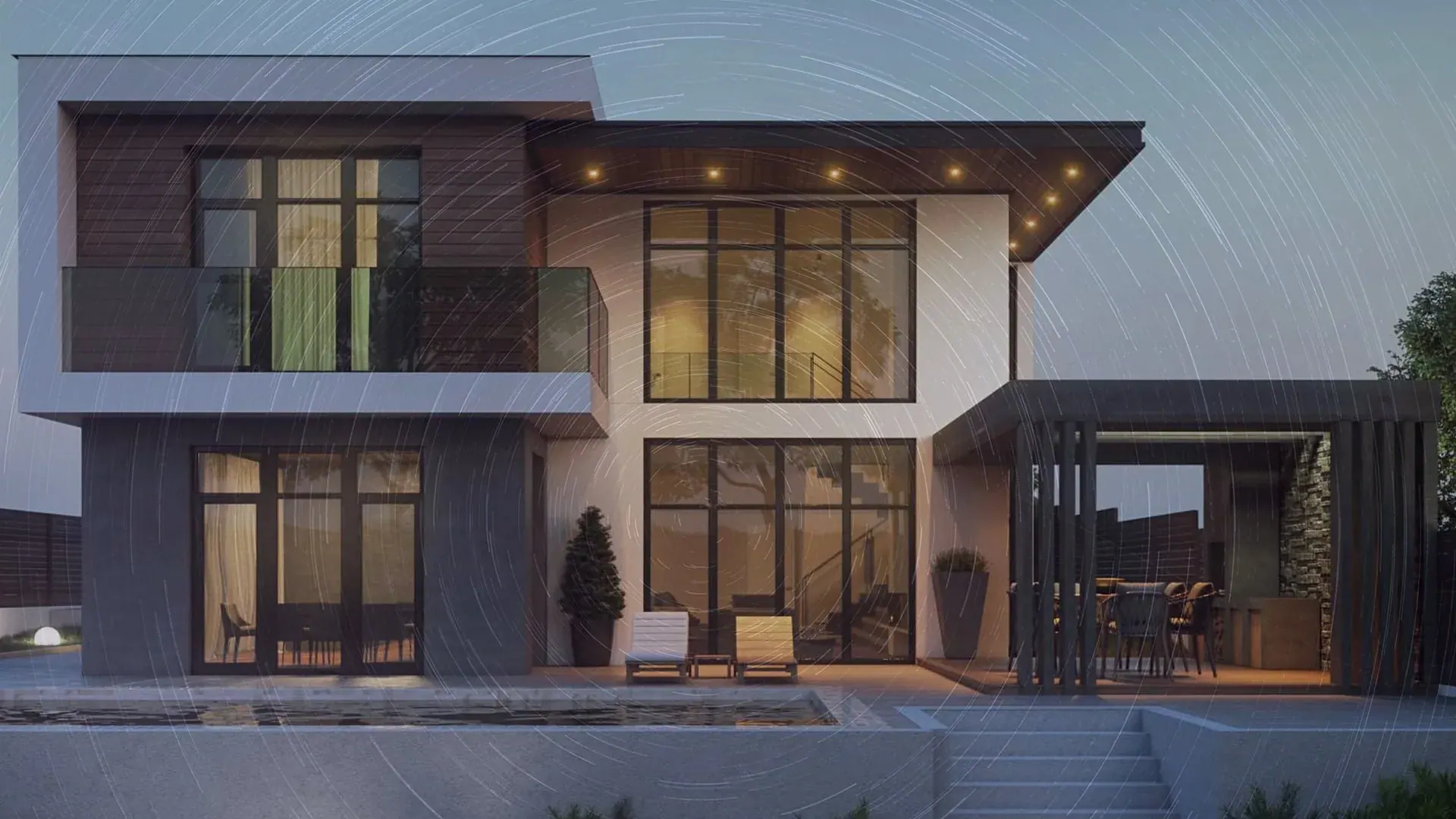
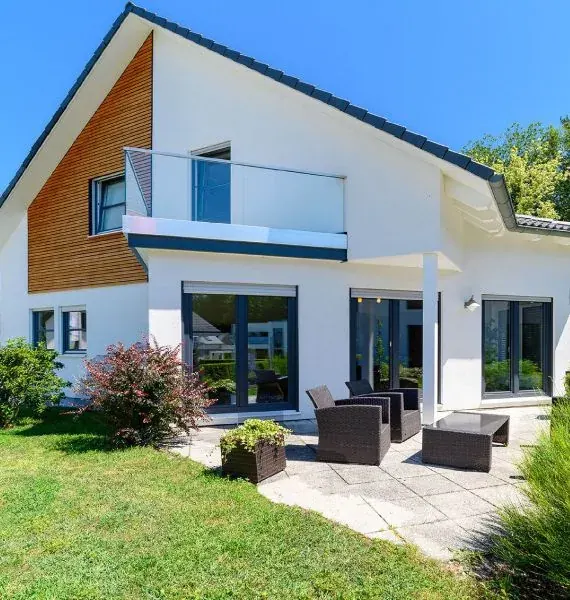
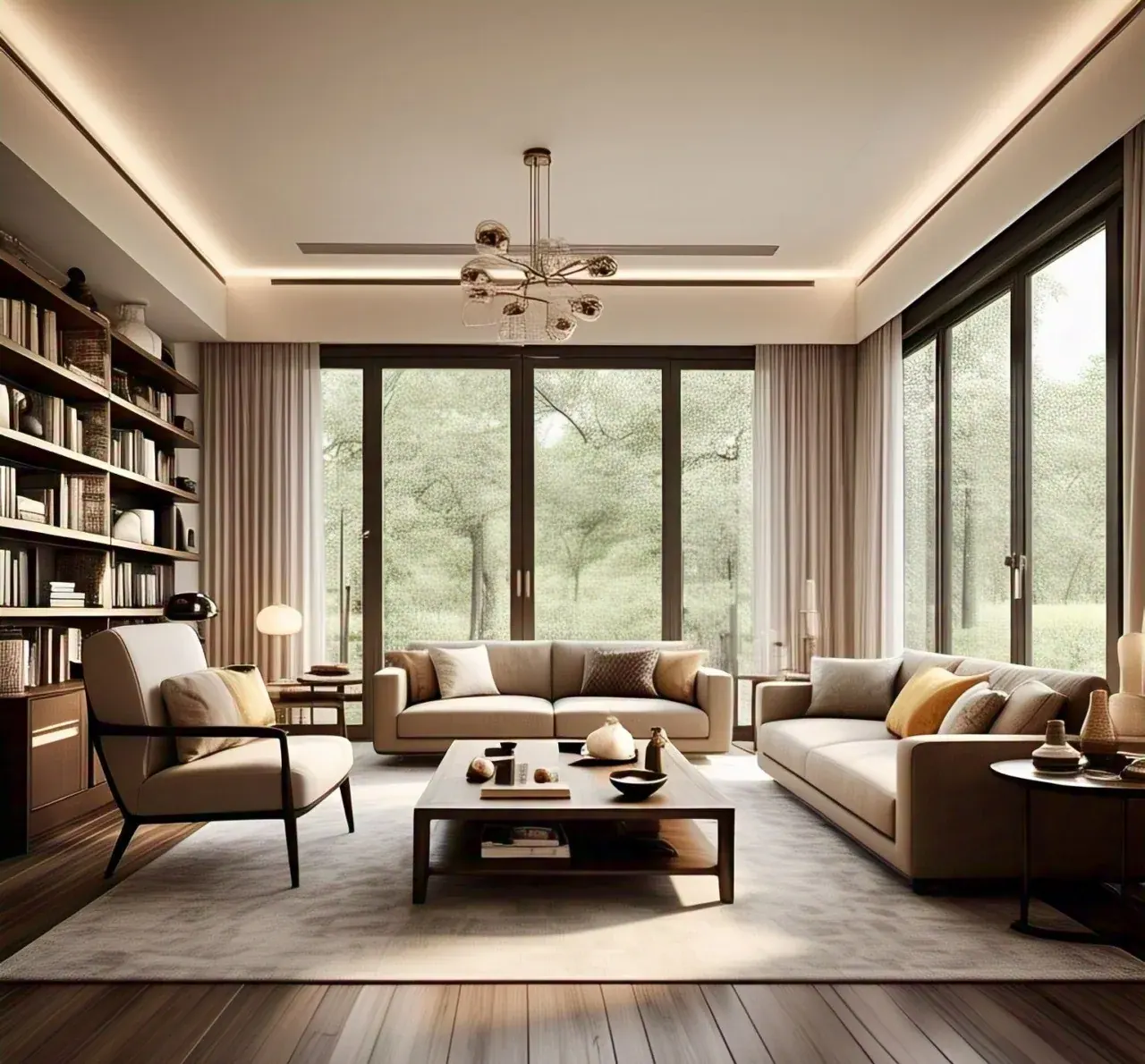
The North and East should ideally have more and larger windows, while the South and West have fewer or smaller openings. This lets in soft light and fresh morning air while reducing the strongest afternoon heat.
01
East windows
Welcome morning sunlight, associated with Surya, health and new beginnings.
02
North windows
Bring steady, diffused light through the day and are associated with Kubera and opportunities.
03
North-East
Keep this zone as open and light as possible; avoid blocking windows here with cupboards.
04
South and West windows
Useful for cross-ventilation; soften afternoon sun with curtains, blinds or plants.
03
What is cross-ventilation and how do you create it in a flat?
Cross-ventilation is the movement of air through a room or home between openings on opposite or adjacent walls. It refreshes air much faster than a single open window.
In a flat, you can often create it simply by opening windows on two sides at the same time, keeping internal doors open during the day, and not blocking windows with furniture or stored items. Even ten or fifteen minutes of cross-ventilation each morning changes how a home feels.
01
Morning routine
Open North and East windows first thing, then a South or West window to let air flow through.
02
Keep paths clear
Avoid tall cupboards directly in front of windows and doors.
03
Door stoppers
Keep bedroom doors open during the day so air can circulate.
04
Fans
A ceiling or exhaust fan can help pull air in the direction you want.
04
Why should the centre of the home stay open?
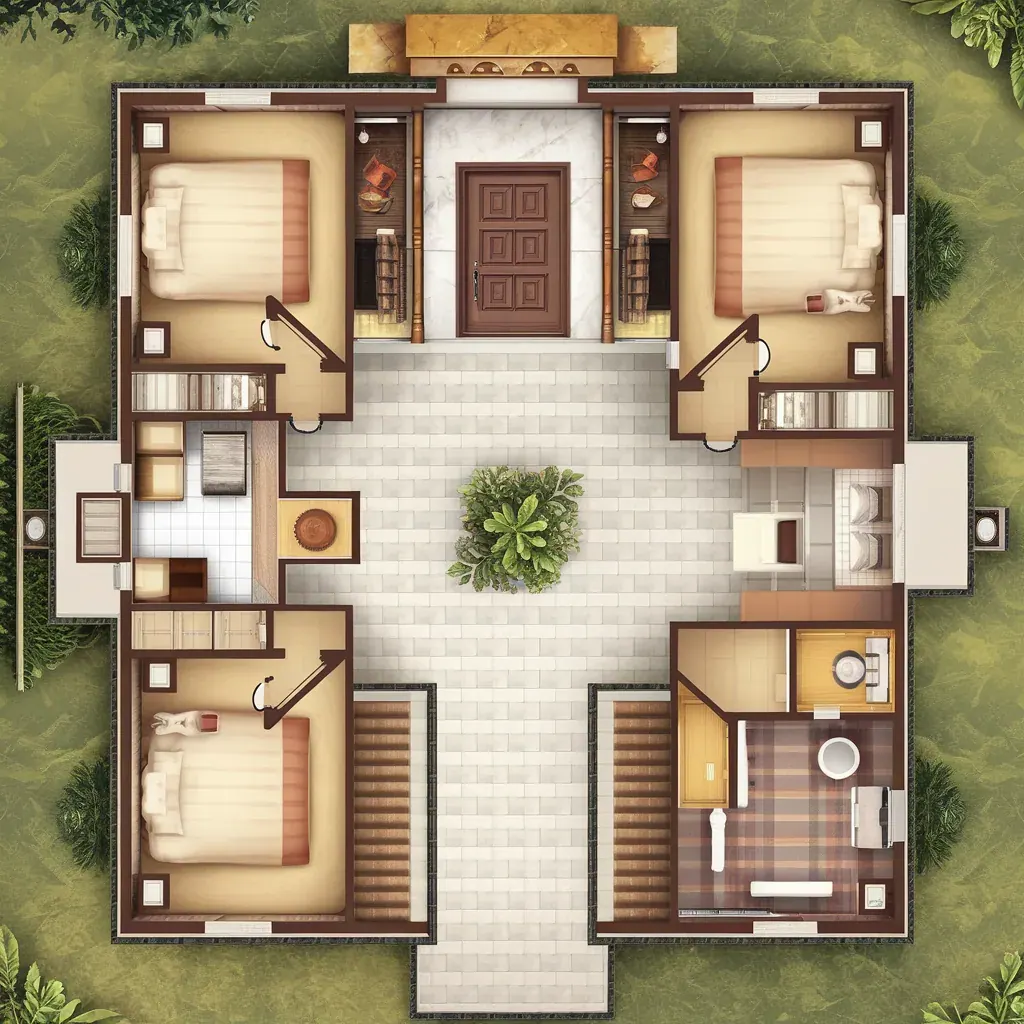
The centre of the home, the ब्रह्मस्थान (Brahmasthan), should stay open because it is considered the home's breathing space, where energy gathers and spreads to every room. It is associated with the Space element.
Traditional homes often had an open courtyard in the middle, letting light and air reach every room. In a flat, you cannot add a courtyard, but you can avoid heavy furniture, storage units, pillars of clutter or walls of shelving in the centre. A light rug and good lighting keep it feeling open.
05
How should kitchens and bathrooms be ventilated?
Kitchens and bathrooms should have working exhaust fans and, where possible, a window, because they generate heat, moisture and odours. This is both a Vastu principle and a basic health measure.
01
Kitchen
Ideal in the South-East; a chimney or exhaust fan should work well, and a window on the East helps morning light while cooking.
02
Cooking direction
Cook facing East, which also often places you near light and air.
03
Bathrooms
Keep exhaust fans running after baths, doors closed and floors dry.
04
Toilet placement
Avoid the North-East and centre where possible; where unavoidable, extra ventilation and cleanliness are especially important.
05
Utility areas
Washing machines and drying spaces suit the North-West, where air movement helps clothes dry.
06
How can you deal with damp and mould during the monsoon?
Deal with damp and mould by fixing leaks quickly, improving airflow and letting in as much daylight as the weather allows. Mumbai's monsoon makes this a real concern for many families.
Vastu associates damp, dark corners with stagnant energy, and from a health point of view, persistent mould should be taken seriously. Fix seepage and plumbing leaks promptly, keep wardrobes slightly open with moisture absorbers inside, dry clothes fully before storing them, and run exhaust fans in bathrooms. A bowl of sea salt in a damp corner, replaced regularly, is a traditional remedy that also absorbs some moisture. If anyone at home has breathing difficulties or allergies, please consult a doctor.
07
How much sunlight should a healthy home get?
A healthy home ideally receives some direct or indirect sunlight every day, especially morning light from the East. Vastu links the rising sun with vitality, health and a positive start to the day.
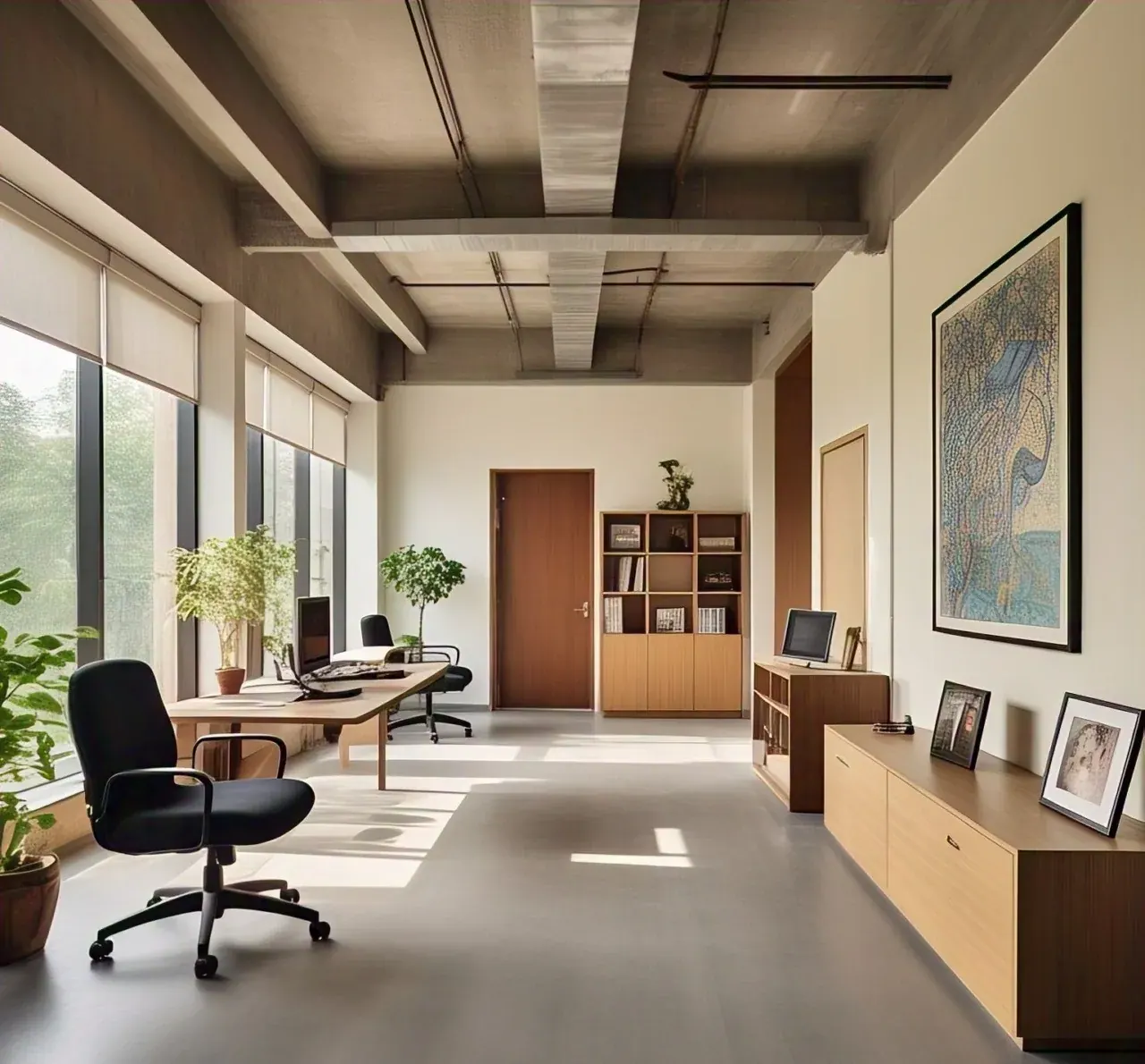
Open East-facing curtains in the morning, keep glass clean and avoid heavy tinted films on North and East windows. Where a flat faces a neighbouring building and gets little sun, light-coloured walls, mirrors on North or East walls and warm lighting can brighten rooms. Some houseplants that tolerate low light also help the space feel alive.
08
Can Vastu improve health?
Vastu can support a healthier living environment — fresh air, daylight, dry rooms and a calm, uncluttered home — but it does not treat illness. Health is associated mainly with the East and North-East zones in Vastu, and keeping them light and clean is a sensible habit.
Vastu, Reiki and other energy practices complement and do not replace medical care. If you or a family member has ongoing symptoms, please consult a qualified doctor and continue any treatment you are receiving.
09
When to consult a Vastu expert
Consider consulting a Vastu expert when your home feels stuffy or heavy despite good habits, when you are choosing a new flat and want to compare window directions, or when you are planning renovations.
Dr. Kimaya Parikh-Ambekar studies window positions, dark zones and room placements during an on-site visit with compass measurement, and suggests practical, non-structural remedies. Consultations are available across Mumbai from the Andheri East office, or as a distant consultation using floor plans and photographs.
Questions
Frequently asked
Which direction window is good as per Vastu?
Windows on the North and East are considered most favourable, bringing soft light and fresh morning air. South and West windows are fine too, with curtains or blinds to soften afternoon heat.
Is a flat without cross-ventilation bad as per Vastu?
It is not bad, but it benefits from extra care. Use exhaust fans, open windows at different times, keep internal doors open and avoid blocking windows with furniture.
Where should the exhaust fan be in a bathroom?
An exhaust fan on an outer wall, ideally the East or North-West, works well in a bathroom. What matters most is that it works and keeps the room dry.
Does Vastu say anything about air conditioners?
Air conditioners relate to air and electricity, so the North-West or South-East suit them where there is a choice. Still open windows daily for fresh air.
Can a dark flat be made brighter with Vastu?
Yes, light colours, mirrors on North or East walls, clean glass and warm lighting can brighten a dark flat. Keep the North-East and centre as open as possible.
Want this applied to your own home or office?
Book free consultation