










Crystal Therapy · 19 September 2026 · 5 min read
How to Choose Genuine Crystals
Glass sold as quartz, dyed agate and heat-treated citrine are common. Here is how to identify genuine crystals, what questions to ask a seller and how to care for them.
By Dr. Kimaya Parikh-Ambekar, Vastu consultant, Andheri East, Mumbai
01
Why does it matter whether a crystal is genuine?
It matters because crystal therapy works with the natural properties and formation of each stone, and a piece of coloured glass or resin does not carry that natural character. Knowing what you are buying also protects your money and helps you place each crystal correctly by Vastu zone.
Crystals are sold everywhere today, from temple-town stalls to online marketplaces. Many sellers are honest, but imitation and heavily treated stones are common. A few simple checks help you choose with confidence.
02
How can you tell natural crystals from glass?
Natural crystals usually show small inclusions, cloudiness or colour variation, while glass tends to look too perfect and may contain round air bubbles. Nature rarely produces flawless, evenly coloured stones at a low price.
01
Look inside
Hold the crystal to daylight. Natural quartz often has wispy veils, cracks or tiny inclusions; glass may show round, trapped bubbles or swirl lines.
02
Feel the temperature
Natural crystals usually feel cool to the touch and take a little time to warm in your hand; glass and plastic warm quickly.
03
Notice weight
Resin and plastic imitations feel noticeably light for their size.
04
Check the finish
Mould seams or a slightly soft, rounded edge on a point can suggest moulded glass.
03
Which crystals are commonly imitated or treated?
Some popular crystals are frequently dyed, heated or replaced with look-alikes. Treatment is not always a problem, but it should be disclosed so that you know what you have.
01
Citrine
Much bright orange citrine is heat-treated amethyst. Natural citrine is usually a softer, pale yellow to honey colour.
02
Opalite
Opalite is a man-made glass, often sold as if it were a natural moonstone or opal.
03
Turquoise
Howlite and magnesite are often dyed blue and sold as turquoise.
04
Agate
Vivid pink, purple or electric blue agate slices are usually dyed.
05
Rose quartz and amethyst
Generally genuine and widely available, but check for glass versions with very even colour.
06
Pyrite
Real pyrite feels heavy and has a brassy, metallic shine with natural cube or cluster formations.
04
What questions should you ask a crystal seller?
Ask the seller to confirm the crystal's name, whether it is natural, and whether it has been dyed, heated or stabilised. A trustworthy seller answers clearly and is comfortable saying when they do not know.
01
Is it natural or lab-created?
Lab-created and natural stones differ; both may be sold, but they should be labelled.
02
Has it been treated?
Ask specifically about dyeing, heating and coating.
03
Where is it from?
Sellers who know the origin usually know their stock.
04
Can I see it in daylight?
Shop lighting can make colours look richer than they are.
05
Will you exchange it if it is not as described?
A clear exchange or return policy shows the seller stands behind the description of the stone.
05
Should you avoid tests that can damage a crystal?
Yes, avoid scratch tests, heat tests and chemical tests at home, because they can permanently damage a genuine stone. Visual checks, weight and temperature are safer starting points.
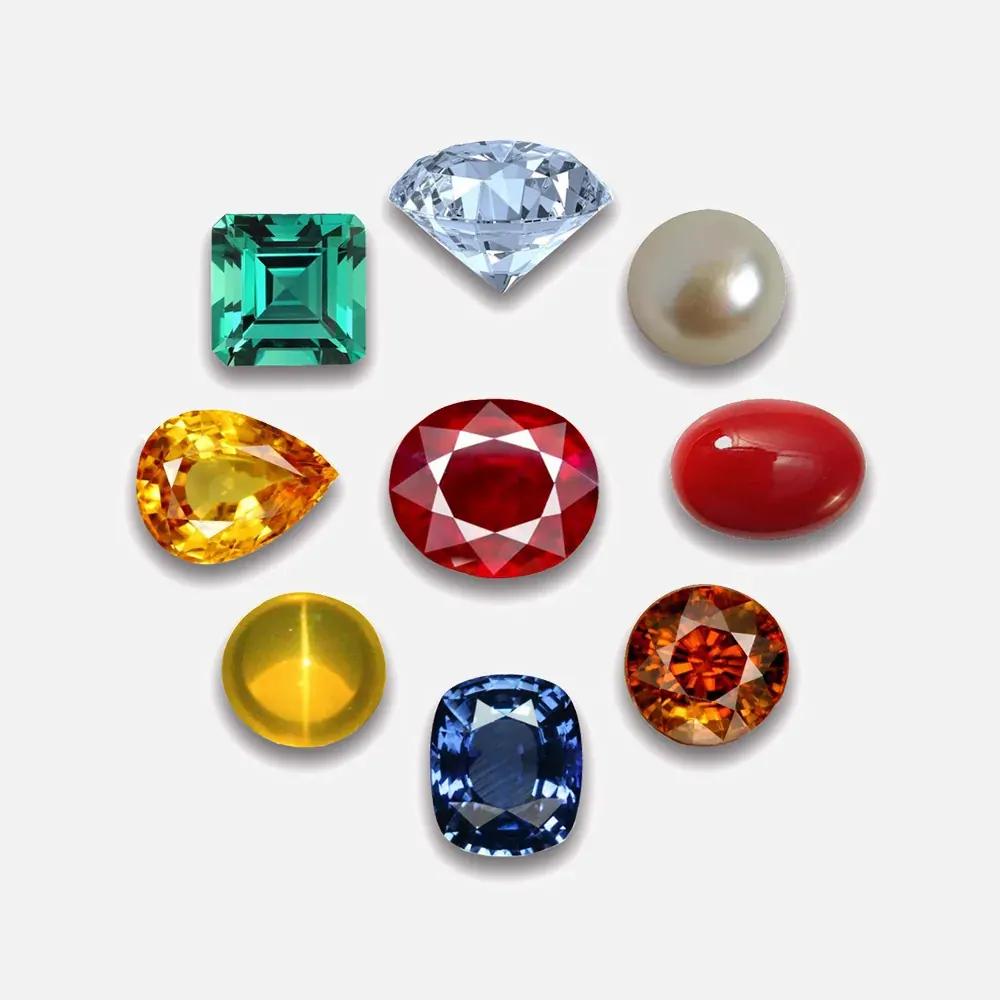
For costly gemstones, such as those used in navaratna jewellery, rely on a certificate from a recognised gem-testing laboratory rather than home methods. For everyday Vastu crystals, careful observation and an honest seller are usually enough.
06
How should new crystals be cleansed before use?
Cleanse a new crystal before using it, because it may have absorbed energies while being mined, handled and transported. Choose a method that suits the stone, as some crystals fade in sunlight or are damaged by water or salt.
01
Sunlight
Brief morning sun suits clear quartz; avoid long sun for amethyst, rose quartz and citrine, which can fade.
02
Salt
Place the crystal near, not inside, a bowl of dry rock salt; salt can scratch or damage softer or porous stones.
03
Sound
A bell, singing bowl or chanting such as ॐ (Om) is gentle and suits every crystal.
04
Intention
Hold the crystal quietly and set a clear, kind intention for its purpose.
07
How do you choose the right crystal for your home?
Choose a crystal for its purpose and for the Vastu zone where it will be placed, not only for its looks. Crystal therapy is most useful as part of a thoughtful plan for the space.
Citrine and pyrite are often associated with prosperity and the North or a cash counter, rose quartz with love and harmony in the South-West, amethyst with calm and restful sleep, and clear quartz with clarity and amplifying other remedies. Pick a size that sits comfortably in the space, and remember that one well-placed crystal is more useful than a crowded shelf.
Trust your response to a stone as well. Hold two or three options of the same crystal and notice which one feels pleasant and settled in your hand. A genuine crystal that you enjoy looking at, placed in the right zone and kept clean, becomes a quiet daily reminder of the intention you set for it.
08
When to consult a crystal therapy expert
Consider guidance if you are unsure which crystals suit your concerns, or if you want crystals placed as part of a Vastu correction. Dr. Kimaya Parikh-Ambekar selects crystals for specific zones, cleanses them with salt, sunlight or sound, and activates them with Reiki and Vedic mantras before placement.
VastuKimaya is based in Andheri East, with on-site visits across Mumbai and distant consultations using floor plans and photographs. Crystals support wellbeing and do not replace medical care.
Questions
Frequently asked
How can I check if a crystal is real at home?
Look for natural inclusions and colour variation, check that it feels cool and has reasonable weight, and watch for round bubbles that suggest glass. Avoid damaging scratch or heat tests.
Is heat-treated citrine fake?
Heat-treated citrine is usually amethyst that has been heated to turn orange. It is a natural stone that has been treated, and it should be sold as such rather than as natural citrine.
Are cheap crystals always fake?
No, common crystals such as clear quartz and rose quartz can be genuine and affordable. A price that seems unusually low for a rare stone is a reason to ask more questions.
Can a fake crystal be used for Vastu?
A glass or resin imitation does not carry the natural qualities used in crystal therapy. It can be decorative, but genuine stones are preferred for Vastu remedies.
Do crystals need cleansing after purchase?
Yes, cleanse a crystal after buying it and periodically afterwards. Use a method suited to the stone, such as sound, brief sunlight or placing it near rock salt.
Want this applied to your own home or office?
Book free consultation