






Crystal Therapy · 5 October 2026 · 7 min read
Crystals by Direction: Where Each Stone Belongs in a Home
Most crystal advice tells you what a stone is for and stops there. This is the part that matters in practice: which zone of the home a stone is placed in, and why the compass decides it rather than the shop.
By Dr. Kimaya Parikh-Ambekar, Vastu consultant, Andheri East, MumbaiHer doctorate is in Computer Science; she is not a medical doctor.
Read this in: हिन्दी
01
The compass comes before the shop
Almost every crystal guide online is organised by stone: this one is for calm, that one is for money. It is the wrong way round for anyone using crystals as part of Vastu.
In this practice the home is measured first. Which zone is weak, which is overloaded, where there is a toilet that should not be, which corner never gets light — those findings decide what is placed and where. The stone is the last decision, not the first, and the result is usually fewer stones than people arrive expecting to buy.
02
Take the reading first
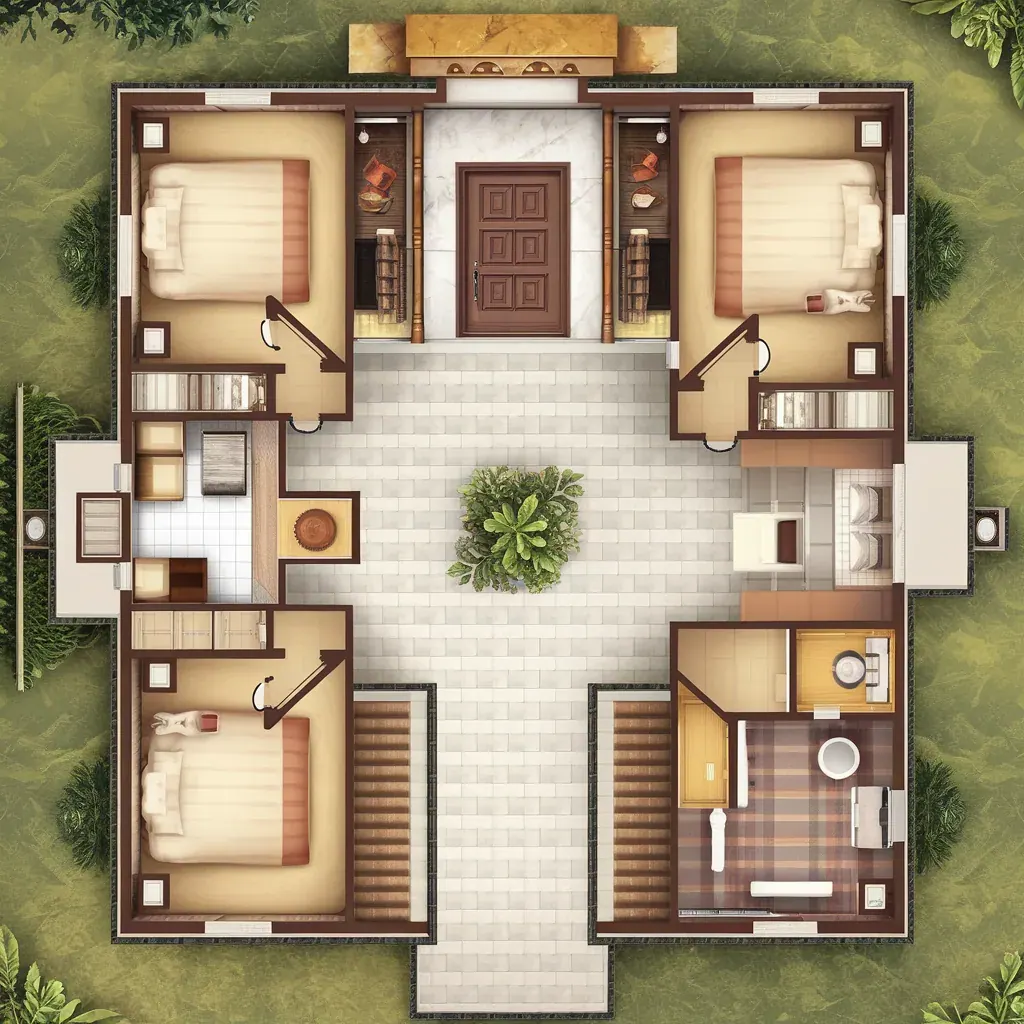
Stand at the centre of your home with a compass app, away from the fridge, the meter box, steel cupboards and your keys, all of which drag the needle. Note the degrees. Then work out which part of the flat falls in which zone.
Without this दिशा (disha, direction) reading, placement is guesswork. A stone placed in what you assume is the north-east, but is actually the north-west, is simply an ornament.
03
What goes where
These are the conventional pairings. They are associations within a tradition rather than properties of the minerals, and placement is always adjusted to what the specific home needs.
Work around the compass from the north-east.
- North-east — kept lightest. Clear quartz, amethyst or selenite, placed where they catch light. Nothing heavy and nothing stored here.
- East — associated with growth and health. Green aventurine, or clear quartz near a window.
- South-east — the fire zone, and the one associated with finance. Citrine is the usual choice; keep it away from the actual stove.
- South — associated with reputation and energy. Red jasper or carnelian in the conventional pairing.
- South-west — the heaviest, most settled zone, and the main bedroom in most arrangements. Rose quartz for the relationship, or a grounding stone for stability.
- West — associated with gains and with children in some traditions. Citrine or clear quartz.
- North-west — movement, guests, storage. Moonstone is the common pairing, and nothing is strictly needed here.
- North — associated with opportunity and money. Green aventurine or clear quartz; often paired with keeping this zone light and uncluttered.
- Centre, the Brahmasthan — kept open. If anything is placed here it is small and clear, never a heavy cluster.
- Main door — black tourmaline, kept low and out of the way of the threshold itself.
04
The rooms that come up most
Two placements are asked about constantly, and both benefit from a caution.
The bedroom: rose quartz or amethyst, on the far side of the room rather than beside your head, and nothing reflective facing the bed. Large clusters next to a sleeping head are a common recommendation elsewhere and are better avoided, if only because people report sleeping worse with a lit, busy arrangement near them.
The work desk: citrine to the north of the surface, and nothing in the space you actually need to work in. A desk crowded with stones is a desk you will stop using properly.
05
What crystals do not fix
This needs saying because it is where money gets wasted. A crystal does not correct a structural Vastu problem. A toilet in the north-east, a cut corner, a main door facing a difficult direction — none of these are resolved by placing a stone in the room.
What crystals do in this practice is support an arrangement that is already being corrected through placement, colour, light and use of rooms. They are one element among several, and the smallest of them.
Anyone who tells you that an expensive stone alone will fix a serious problem in your home is selling you something. That includes anyone who inspects your flat and tells you it needs several large pieces.
06
And what they are not
Crystals carry traditional associations, not medical properties. They do not treat, cure or diagnose anything, and nothing here replaces medical, legal or financial advice.
In a consultation the compass reading comes first, the arrangement second and the stones last. In person across Mumbai and Thane, or online anywhere, from your floor plan and photographs. The first call is free, and if your home does not need crystals you will be told so.
Questions
Frequently asked
Which crystal goes in the north-east?
Clear quartz, amethyst or selenite, placed where they catch light. The north-east is kept light and free of heavy storage, so nothing large or dense goes there.
Where should citrine be placed in a home?
The south-east, the zone associated with fire and finance, or to the north of a work desk. Keep it away from the stove itself.
Can a crystal fix a toilet in the north-east?
No. Structural problems are addressed through placement, use of rooms, colour and light. Crystals support that arrangement; they do not replace it.
Should crystals be kept next to the bed?
Place them on the far side of the room rather than beside your head, and keep nothing reflective facing the bed. Large clusters close to a sleeping head are better avoided.
Do I need to know the directions before buying crystals?
Yes, and it is the step most people skip. Take a compass reading at the centre of the home first, away from metal and appliances, or placement is guesswork.
Want this applied to your own home or office?
Book free first call