






Health & Wellbeing · 19 September 2026 · 6 min read
Burnout Recovery: Rebuilding Energy at Home and Work
Feeling drained at home and at work? Gentle, practical steps for burnout recovery — rest, boundaries and small Vastu changes that help your spaces restore your energy.
By Dr. Kimaya Parikh-Ambekar, Vastu consultant, Andheri East, Mumbai

01
What is burnout, and why does energy feel so low?
Burnout is a state of deep physical, mental and emotional exhaustion, usually after long periods of stress, overwork or caring for others without enough rest. People describe feeling drained even after sleep, detached from work they once enjoyed, and short on patience and motivation.
In Mumbai, long commutes, late meetings, small homes that double as offices and constant phone notifications make it very easy to cross the line from busy to depleted. Energy feels low because the body and mind have been running on reserves for too long.
Burnout deserves real care. If you are struggling, please reach out to a mental-health professional. In India you can call the free Tele-MANAS helpline on 14416 (or 1-800-891-4416), available 24×7. Please also see a doctor, as exhaustion can have medical causes that need checking.
02
What are the first steps in burnout recovery?
The first steps in burnout recovery are rest, clearer boundaries and asking for support. None of these are dramatic; they are small, repeated choices.
01
Rest without guilt
Protect sleep, take breaks during the day and schedule some time with nothing planned.
02
Draw simple boundaries
Set a time after which work messages wait until morning, and communicate it kindly.
03
Talk to someone
A counsellor, doctor, trusted colleague or family member can help you see options you cannot see alone.
04
Move gently
A short walk in daylight, stretching or light yoga can lift energy more than pushing harder.
05
Lower the load
Where possible, delegate, postpone or say no to tasks that are not essential right now.
03
How can your home help you recover from burnout?
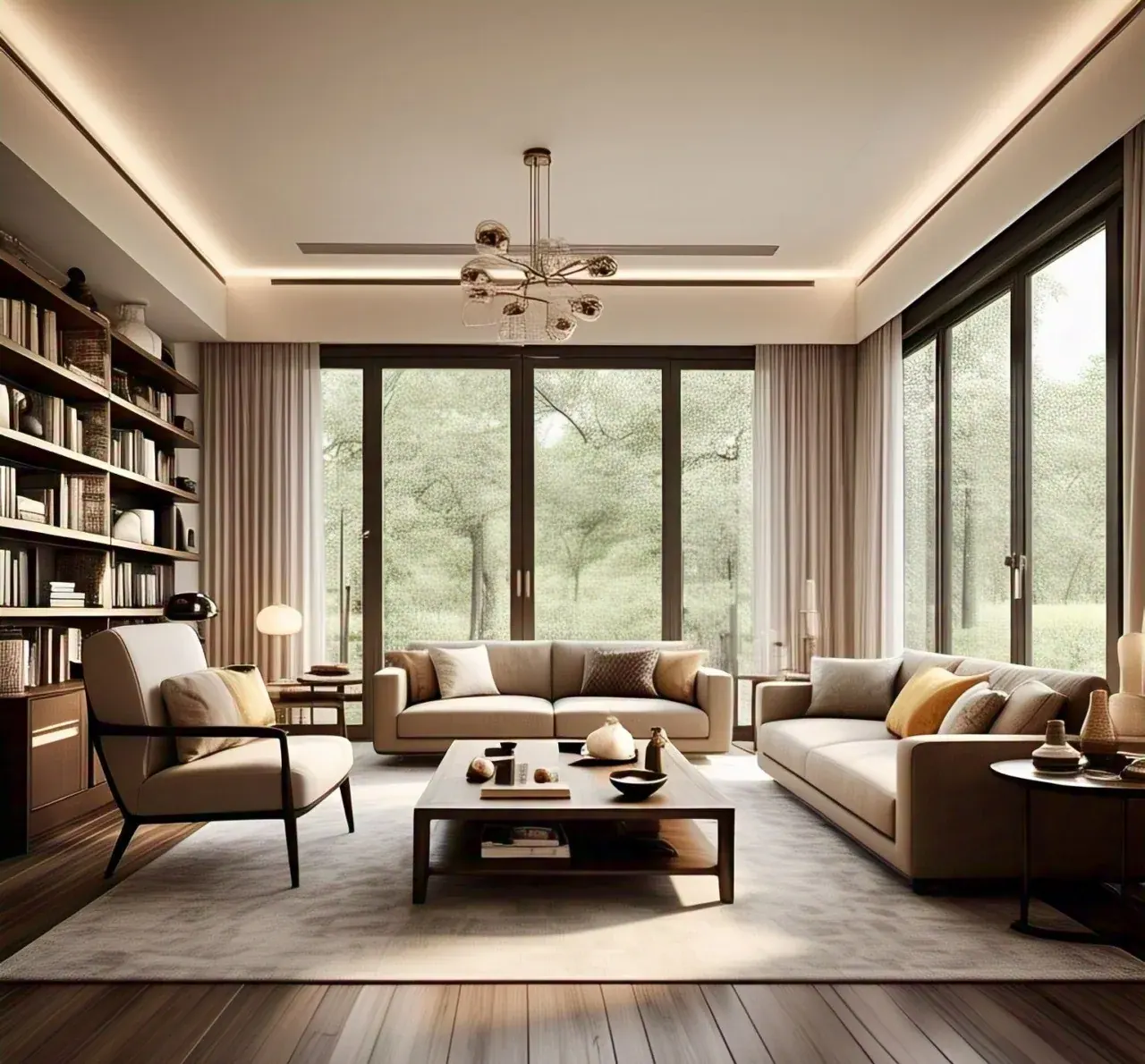
Your home can help you recover from burnout by becoming a place that signals rest rather than more work. Vastu looks at how a space supports प्राण (prana, life energy), and a depleted person benefits greatly from a home where prana flows freely.
Start with light and air. Open windows every morning, let sunlight in, especially from the East, and keep the North-East of the home clean and uncluttered. Clear the centre of the home, the ब्रह्मस्थान (Brahmasthan), so the house feels spacious even if it is small.
Then reduce visual noise. Piles of papers, unopened parcels and broken items quietly drain attention. Clearing one small area at a time, rather than attempting a huge declutter, is kinder when energy is low.
04
How should the bedroom be arranged for recovery?
The bedroom should be arranged purely for rest: calm, uncluttered, dim at night and free of work. Sleeping with your head towards the South or East, as Vastu suggests, and keeping the head of the bed against a solid wall supports a sense of security.
A short wind-down ritual helps the bedroom do its job. Dim the lights an hour before sleep, put the phone away, and spend a few minutes reading, stretching or simply breathing slowly. Over time, the body begins to link the room and the routine with rest, which is exactly what a tired nervous system needs.
01
No work in bed
Keep laptops, files and office bags out of the bedroom where possible.
02
Soft colours
Light, earthy or pastel shades feel more restful than bright, stimulating colours.
03
Screens away
Charge phones outside the bedroom or at least away from the bed.
04
Calming support
An Amethyst near the bed or a few drops of lavender oil in a diffuser can form part of a wind-down routine.
05
How can you set up a work desk that does not drain you?
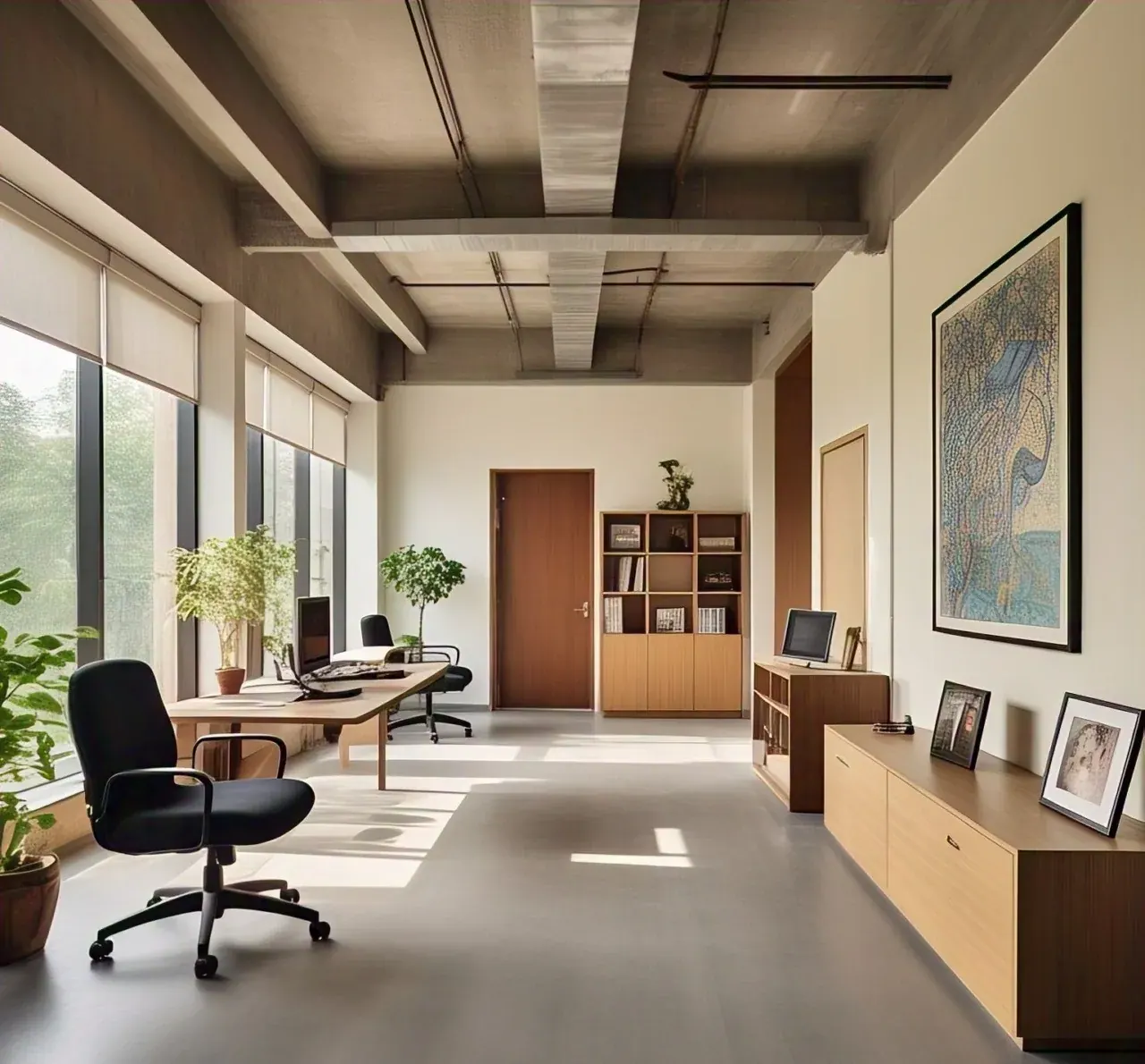
Set up your work desk so that you face East or North, with a solid wall rather than a door or window behind you. These directions are associated with fresh energy, clarity and growth, and a solid back gives a feeling of support.
If you work from home, create a clear boundary between work and rest. A dedicated corner, ideally not in the bedroom, and a simple ritual of packing away the laptop at the end of the day help the mind switch off. In the office, keep the desk clear, add a small plant, and take regular short breaks away from the screen.
Good lighting, a comfortable chair and a screen at eye level matter as much as direction. Ergonomics and Vastu both aim for a workspace that supports you rather than strains you.
06
Can Reiki and energy practices support burnout recovery?
Reiki and gentle energy practices can support relaxation during burnout recovery, as a complement to medical and psychological care. Many people find that a Reiki session helps them feel calmer and more rested, and that short daily self-practice becomes a helpful pause in a busy day.
Simple space-cleansing habits, such as a bowl of sea salt in a heavy corner, the sound of a bell, or lighting a diya in the evening, can make the home feel lighter. The value lies partly in the ritual itself: a few quiet minutes that belong only to you.
Recovery is rarely a straight line. Be patient with yourself, and keep the support of professionals close.
07
When to consult a Vastu expert or book a Reiki session
Consider a consultation when you have begun resting and seeking support, and you feel that your home or workspace is still working against your recovery. A Vastu assessment can identify simple changes to your bedroom, desk and living areas, and Reiki can be added for relaxation.
Dr. Kimaya Parikh-Ambekar offers Vastu consultations and Reiki healing from the Andheri East office, on-site across Mumbai, and distant consultations using floor plans and photographs. Her approach is gentle and non-structural, and always sits alongside the medical and psychological care you may need.
Questions
Frequently asked
How long does burnout recovery take?
Burnout recovery time varies widely from person to person, depending on how long the stress lasted and the support available. A doctor or mental-health professional can help you plan recovery realistically.
Which direction should I face while working from home?
Face East or North while working, as Vastu associates these directions with fresh energy and clarity. Keep a solid wall behind you and avoid working from the bed.
Can Vastu fix burnout?
No, Vastu cannot treat burnout. It can make your home and workspace more restful and supportive, but recovery needs rest, boundaries and, where needed, professional medical or psychological help.
Which crystal helps with stress and exhaustion?
Amethyst is commonly used for calm and restful sleep, and Clear Quartz for clarity. Crystals can form part of a relaxing routine but are a complement to, not a substitute for, care.
Where can I get help if I feel overwhelmed?
Please reach out to a mental-health professional or your doctor. In India, the free Tele-MANAS helpline on 14416 (or 1-800-891-4416) is available 24×7.
Want this applied to your own home or office?
Book free consultation