



Health & Wellbeing · 19 September 2026 · 6 min read
Anxiety and Your Surroundings: Calming Changes at Home
Your surroundings can quietly add to, or ease, a sense of anxiety. Practical changes for a calming home — light, clutter, sleep, colour, sound and a small quiet corner — alongside proper support.
By Dr. Kimaya Parikh-Ambekar, Vastu consultant, Andheri East, Mumbai
01
Can your home affect how anxious you feel?
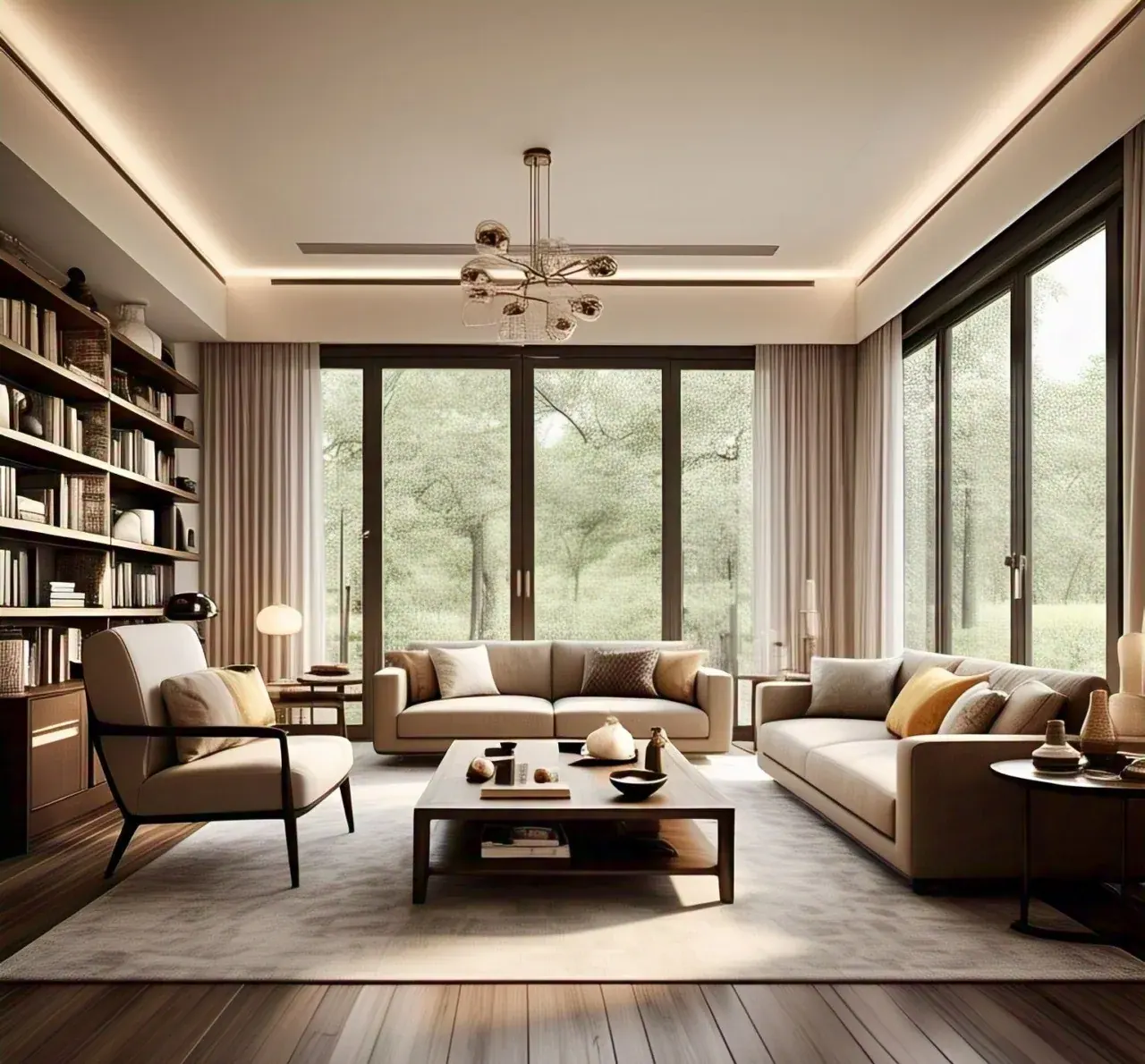
Yes, your home can affect how anxious you feel, because the spaces you live in shape your rest, routines and sense of safety. A dark, cluttered or noisy home can add to a background feeling of tension, while a bright, orderly and quiet space makes it a little easier to settle.
Anxiety has many causes, and changing your surroundings will not remove it on its own. But the environment is one area you can influence today. Vastu, with its focus on light, balance and the free flow of प्राण (prana, life energy), offers practical ways to make home feel more supportive.
Start with light and air, because they change how a home feels almost immediately. Open curtains and windows in the morning, and spend a few minutes near natural light with your morning tea.
Then choose just one small area to calm — the bedside table, the sofa corner or your work desk. Anxiety can make large projects feel overwhelming, so small, finished steps are more helpful than a big plan left half-done.
02
How does clutter add to anxiety?
Clutter adds to anxiety because every pile of unfinished tasks and unused things silently competes for attention. Many people notice that a clear surface feels like a small exhale.
Vastu places special importance on keeping two areas light: ईशान्य (Ishanya, the North-East), linked with clarity and calm, and the ब्रह्मस्थान (Brahmasthan, the centre of the home).
01
Ten-minute resets
Set a timer and clear one surface. Stop when it rings.
02
A "decide later" box
Put uncertain items in a box and revisit it in a month, rather than forcing decisions now.
03
Closed storage
Baskets and cabinets reduce visual noise in compact Mumbai flats.
04
Fix small irritations
A flickering bulb, a dripping tap or a door that sticks is worth repairing.
03
How can the bedroom support calmer sleep?
The bedroom supports calmer sleep when it is dark, quiet, cool and kept mainly for rest. Sleeping with the head towards the South or East is the classic Vastu guidance, and the South-West is traditionally the steadiest zone for the main bedroom.
01
Screens out
Charge phones outside the bedroom or at least away from the bed, and stop scrolling a while before sleep.
02
Mirrors away from the bed
Cover or move mirrors that reflect you while you sleep.
03
Soft, warm evening light
Replace bright white overhead lights with a warm bedside lamp at night.
04
Clear under the bed
Avoid storing clutter beneath the bed.
05
A calming crystal
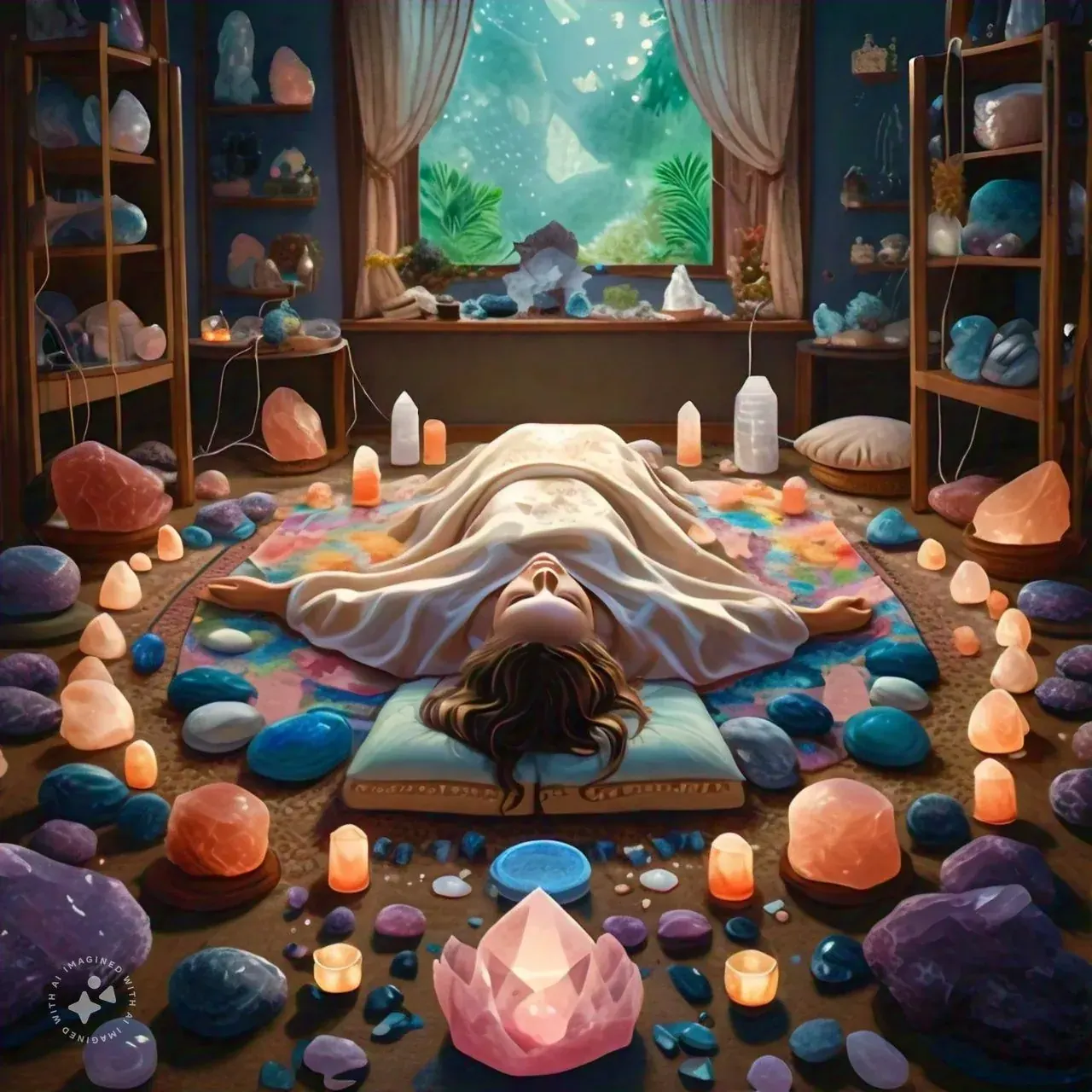
Amethyst near the bed is traditionally associated with calm and restful sleep.
04
Which colours feel calming at home?
Soft blues, gentle greens, warm creams and muted earthy shades generally feel calming at home. Pale blues and greens resonate with the Water and nature elements, while creams and beiges feel grounding.
Very bright, high-contrast colours and large areas of red can feel stimulating, so they are better used as small accents. You do not need to repaint: a new bedsheet, cushion covers or a single calm-coloured wall can shift how a room feels.
05
How can I create a quiet corner at home?
You can create a quiet corner by choosing one small, uncluttered spot — ideally in the North-East or East — and keeping it only for rest, breathing, prayer or reflection.
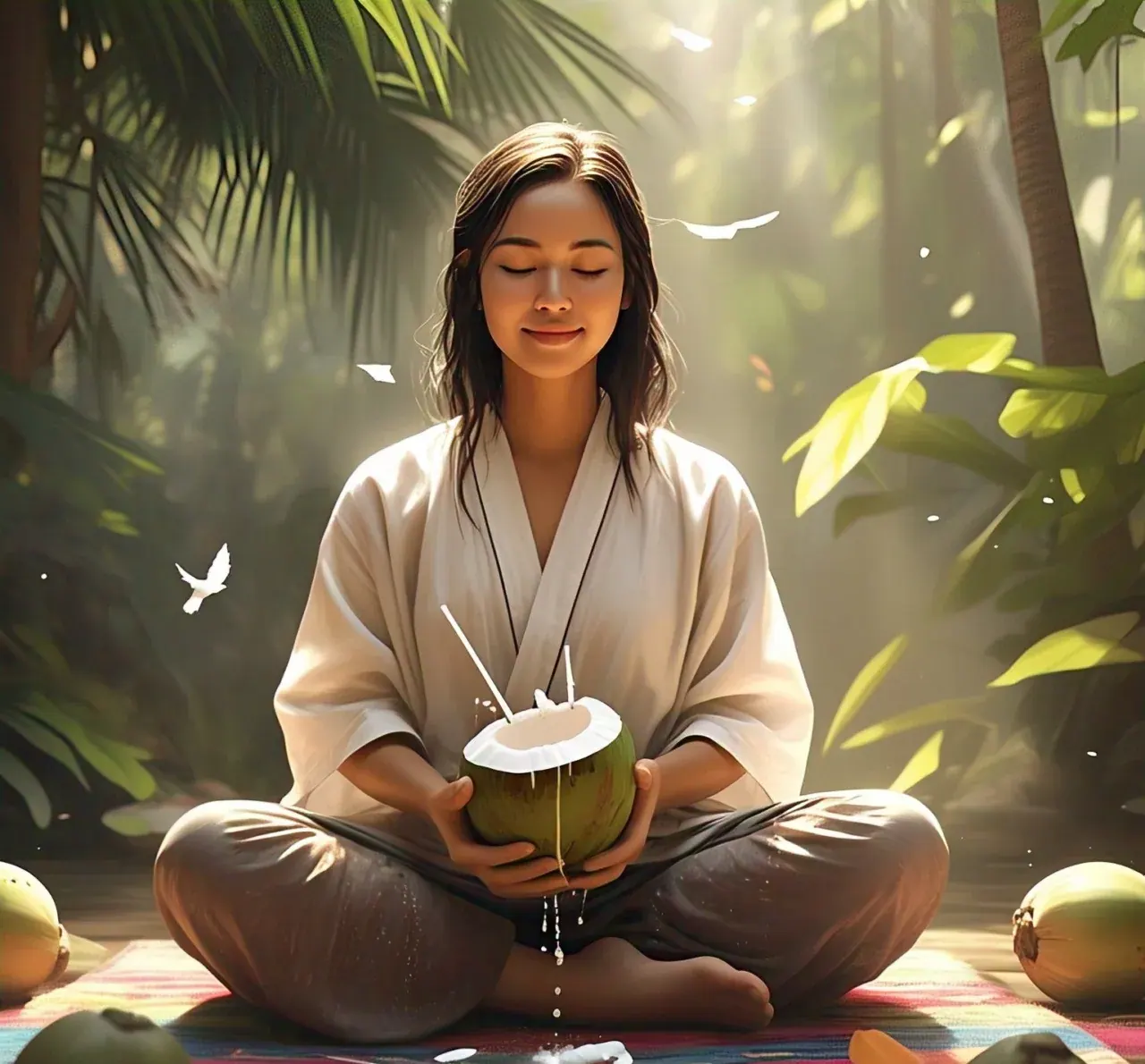
A cushion or chair, a small lamp or diya, a plant and perhaps a crystal or deity image is enough. Spend even three to five minutes here daily: slow breathing, counting four in and six out, or softly chanting ॐ (Om). The regularity matters more than the length. Over time, simply sitting in this spot can become a cue for the body to slow down.
06
Can sound, aroma and Reiki help?
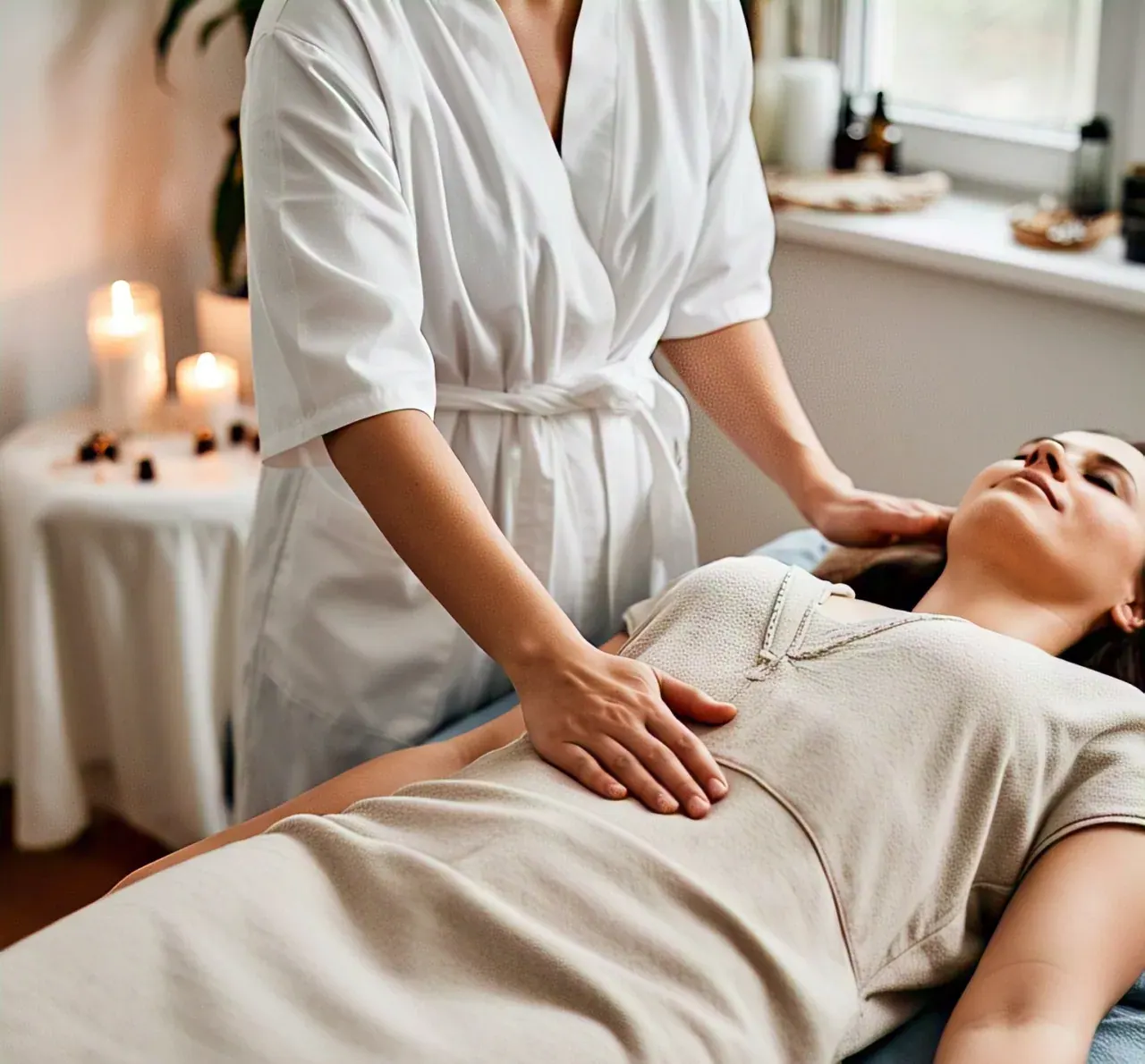
Sound, aroma and Reiki can help some people feel calmer, as gentle complements to proper care. The steady tone of a singing bowl, soft instrumental music or a quiet bell during evening prayer can soften a tense atmosphere.
A few drops of lavender or sandalwood oil in a diffuser in the evening are traditionally used for relaxation. Reiki sessions offer a quiet, restful experience that many people value during stressful times. If any practice makes you feel worse, stop — calm is the goal.
07
When should I seek professional help for anxiety?
Seek professional help when anxiety is persistent, affects your sleep, appetite, work, studies or relationships, or causes panic attacks or thoughts of harming yourself. Anxiety is common and treatable, and reaching out is a strong, healthy step.
Your family doctor can guide you to a psychologist or psychiatrist. Continue any medication or therapy you have been advised, and never stop it because of home changes, Vastu or energy practices. If you are struggling, please reach out to a mental-health professional. In India you can call the free Tele-MANAS helpline on 14416 (or 1-800-891-4416), available 24×7.
08
How can a small flat feel less overwhelming?
A small flat feels less overwhelming when every item has a home, surfaces stay mostly clear and there is at least one uncluttered view. In compact Mumbai homes, vertical storage, foldable furniture and closed cabinets make a real difference.
Keep the space around the main entrance clear so coming home feels welcoming. Use mirrors thoughtfully to bounce daylight, but not facing the bed. Even a single window ledge with a plant can become a restful point for the eyes.
09
When to consult a Vastu expert
Consult a Vastu expert when your home continues to feel heavy or restless after decluttering and simple changes, or when you want to understand how your layout may be affecting rest and calm. Dr. Kimaya Parikh-Ambekar offers consultations across Mumbai from her Andheri East office, and distant consultations with floor plans and photographs.
Her remedies are gentle and non-structural — space cleansing, Reiki, sound, salt and crystal therapy — and are offered as a complement to medical and psychological care.
Questions
Frequently asked
Which direction should I sleep in if I feel anxious?
Vastu traditionally recommends sleeping with the head towards the South or East for restful sleep. It can be one supportive change alongside good sleep habits and professional care.
Which crystal is used for a calming home?
Amethyst is the crystal most commonly used for a calming home, often kept near the bed or in a meditation corner. Rose Quartz is also used for a warm, gentle atmosphere.
Does clutter really increase stress?
Many people find that clutter makes it harder to relax and focus. Clearing even one surface at a time can make a space feel lighter.
Which colours should I avoid in the bedroom for calm?
Very bright, high-contrast colours and large areas of red are generally avoided in the bedroom for calm. Soft blues, greens and warm creams feel more restful.
Can Vastu treat anxiety?
No, Vastu cannot treat anxiety. It can help make your surroundings calmer and more supportive, while treatment and support should come from a qualified health professional.
Want this applied to your own home or office?
Book free consultation