







Residential Vastu · 19 September 2026 · 5 min read
Wall Clock Vastu: Right Direction for Clocks
Which wall should your clock hang on? Wall clock direction Vastu for living rooms, bedrooms, offices and children's rooms, plus shapes, colours and what to avoid.
By Dr. Kimaya Parikh-Ambekar, Vastu consultant, Andheri East, Mumbai
01
Why does a wall clock matter in Vastu?
A wall clock matters in Vastu because it represents the movement of time, and time is closely connected with progress, opportunity and daily rhythm. Where a clock hangs, and whether it works, is believed to influence how smoothly life moves forward.
Clocks are also one of the easiest things to change at home. Moving a clock takes a few minutes and a single nail, which makes this a simple, practical adjustment for any Mumbai flat or office.
02
Which direction is favourable for a wall clock?
The North, East and North-East walls are generally considered favourable for a wall clock. These directions are linked with new opportunities, growth and clarity.
01
North wall
The direction of Kubera, linked with wealth and opportunities. A clock here is associated with steady progress in career and finances.
02
East wall
The direction of Indra and Surya, linked with the rising sun and new beginnings. Well suited to living rooms and study rooms.
03
North-East wall
The ईशान्य (Ishanya, the North-East) is linked with clarity; a light, simple clock suits this zone.
04
West wall
Acceptable when North and East walls are not available.
03
Where should you avoid hanging a clock?
You should generally avoid hanging a clock on the South wall, above the main door, or directly over the bed. These positions are traditionally associated with slowed progress or disturbed rest.
01
South wall
The direction of Yama, linked with endings; clocks are traditionally kept elsewhere.
02
Above the main door
A clock over the entrance is believed to create a sense of pressure as people come and go.
03
Above or facing the bed
A ticking clock at the head of the bed can disturb sleep; place it on a side wall instead.
04
Behind where you sit
In an office, a clock behind your chair may make you feel rushed; hang it where you can see it.
04
What about stopped or broken clocks?
Stopped or broken clocks should be repaired or removed promptly, as Vastu associates them with stagnation. A clock showing the wrong time should also be set right.
Change batteries on time and keep clocks slightly accurate rather than deliberately running fast or slow. Old heirloom clocks that no longer work can be repaired, or stored respectfully rather than kept on display.
05
Which clock shapes and colours suit each direction?
Round, square and rectangular clocks all work well, and matching colour or material to the wall's direction adds a thoughtful touch. Avoid clocks with sharp, aggressive shapes or dark, heavy designs.
01
North
Blue, green or white, with round or wavy shapes associated with Water.
02
East
Wooden frames, green or light brown tones, with rectangular shapes associated with Wood.
03
West
Metallic silver, gold or white, with round shapes associated with Metal.
04
Pendulum clocks
Gentle swinging pendulums are often placed in the North or East living area.
06
How should clocks be placed room by room?
Room by room, the same directional logic applies, adjusted for how each room is used.
01
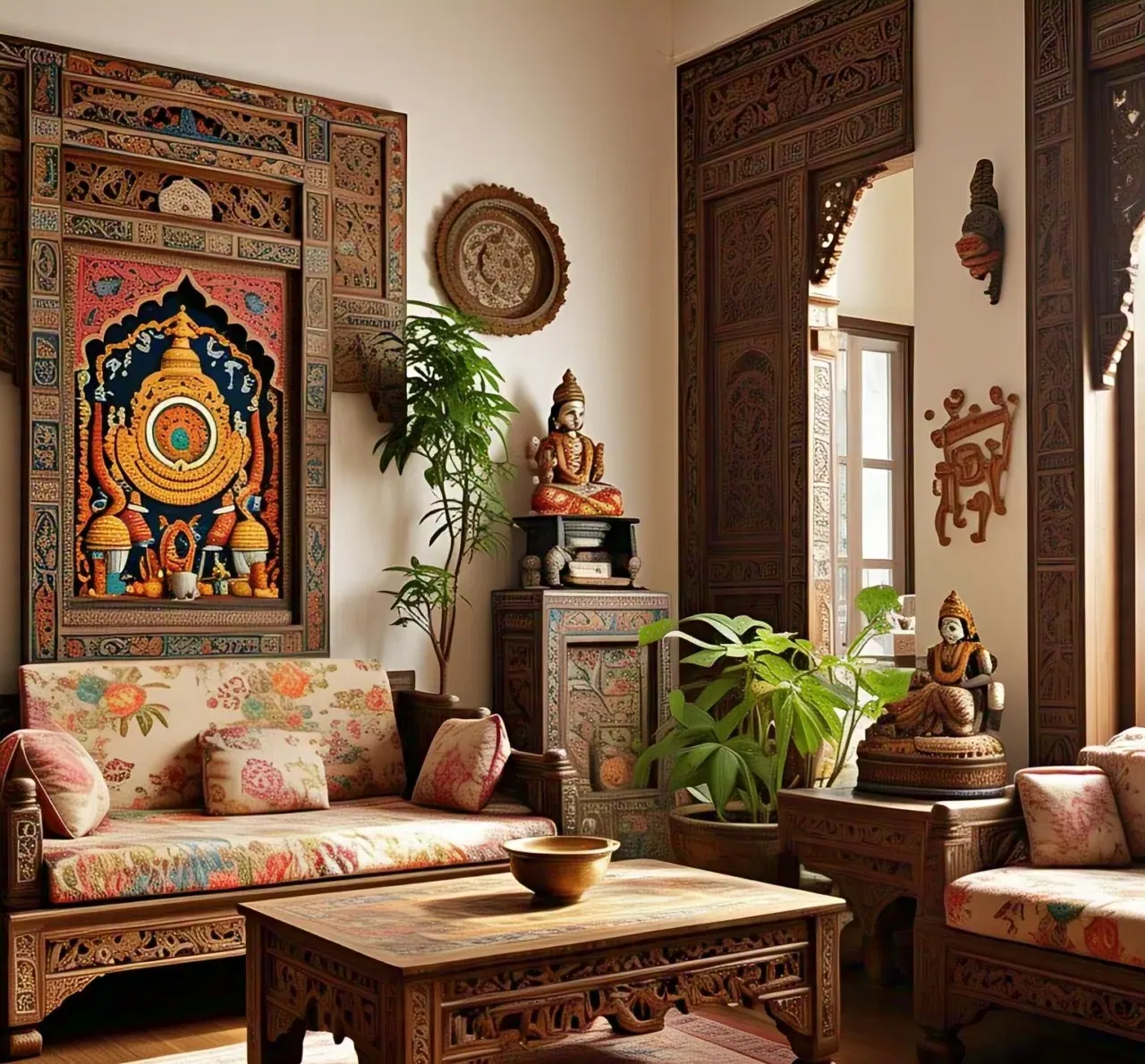
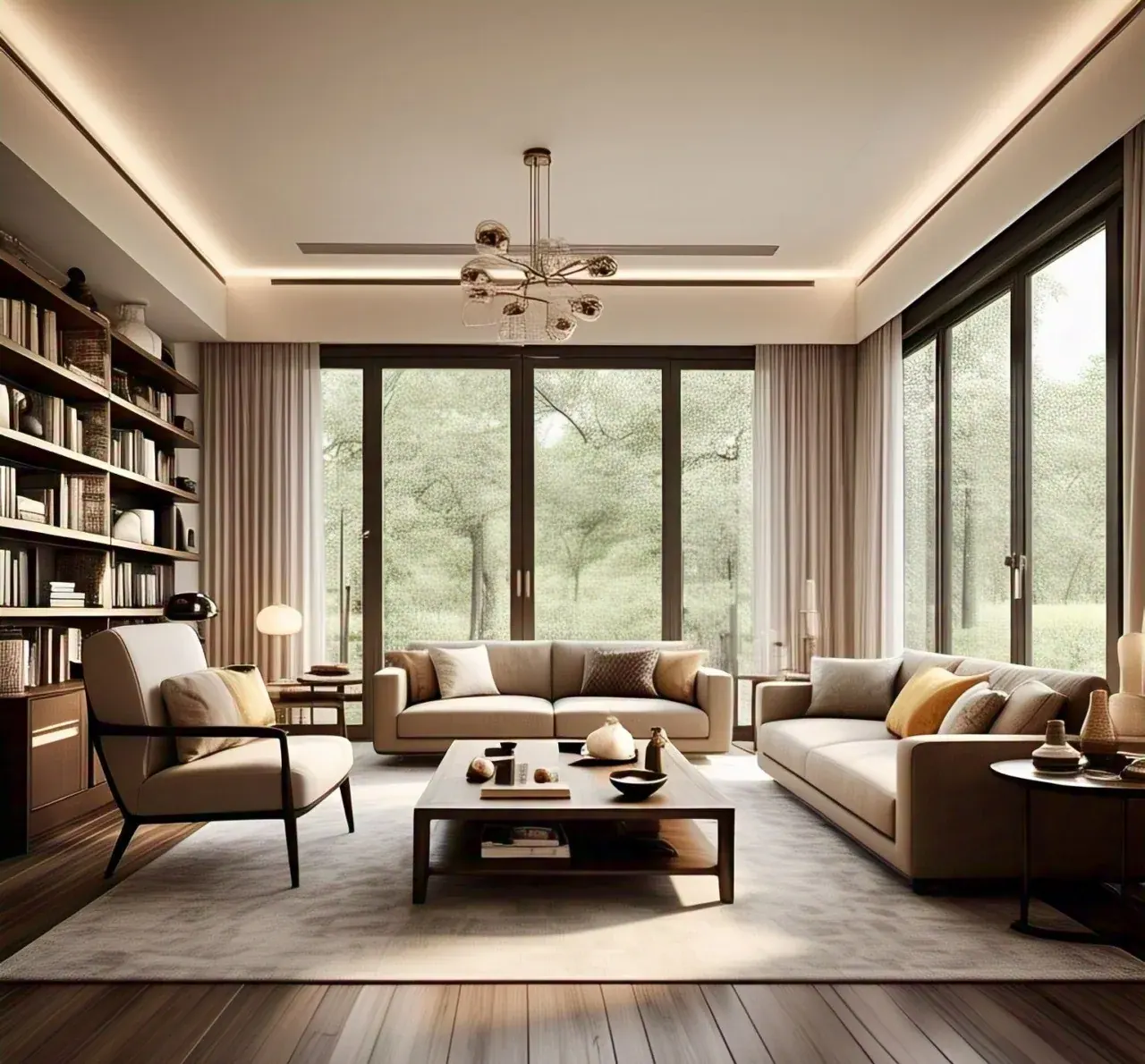
Living room
A North or East wall where the family can see it easily.
02
Bedroom
A quiet, non-ticking clock on the East or North wall, away from the headboard.
03
Study room
East or North wall in front of the student, helping them plan study time.
04
Kitchen
East or North wall, visible from the cooking area but away from heat and steam.
05
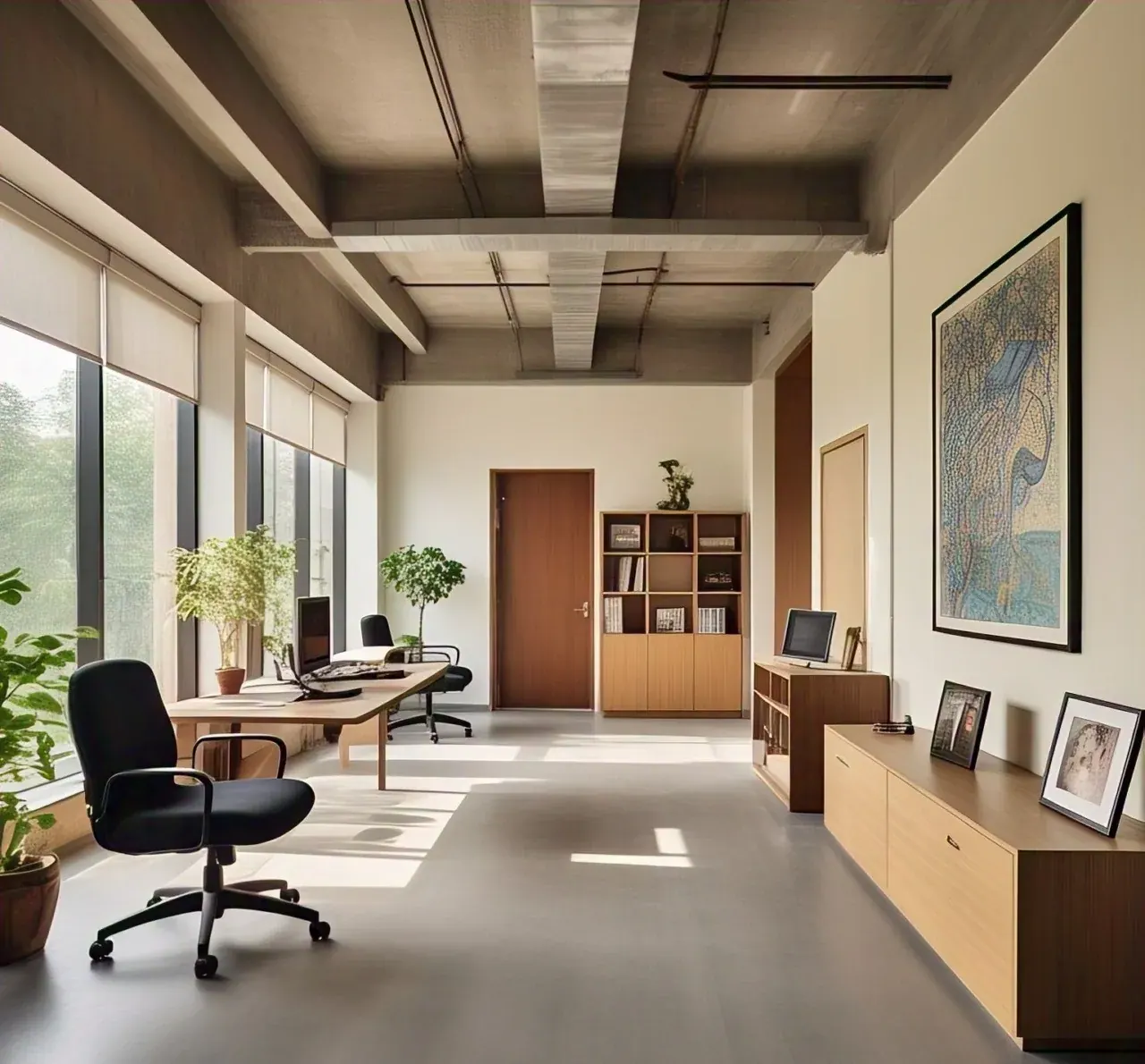
Office or cabin
North or East wall facing you, so you see the time without turning.
07
What simple habits keep clocks supportive?
Simple habits keep clocks supportive: dust them regularly, keep them at a comfortable height and avoid too many clocks in one room. One clear, well-placed clock is enough for most spaces.
If your home has an older clock that has been in the family for generations, give it a place of honour on a North or East wall of the living room. Keeping it wound, polished and ticking steadily turns a Vastu guideline into a warm family tradition.
Gifting clocks is a matter of family custom; some households avoid it, others see it as a kind wish for good times ahead. Follow whatever feels comfortable for your family.
08
When to consult a Vastu expert
Consult a Vastu expert when you are reorganising a home or office and want every object, from clocks to lockers, placed in harmony. Small adjustments are often most useful as part of a complete review.
Dr. Kimaya Parikh-Ambekar of VastuKimaya offers room-by-room consultations on-site across Mumbai from her Andheri East office, and distant consultations using floor plans and photographs.
Questions
Frequently asked
Which wall is good for a clock as per Vastu?
The North, East or North-East wall is generally good for a clock as per Vastu. These directions are linked with opportunity, growth and fresh beginnings.
Can I hang a clock on the South wall?
Vastu traditionally avoids hanging a clock on the South wall. If no other wall is available, choose a quiet, simple clock and keep it working and accurate.
Should a clock be placed in the bedroom?
A clock can be placed in the bedroom on the East or North wall, away from the headboard. Choose a silent or soft-ticking clock so it does not disturb sleep.
Is a stopped clock bad as per Vastu?
A stopped clock is associated with stagnation in Vastu. Repair it, replace the battery or remove it from display rather than leaving it stopped on the wall.
Where should a clock be placed in an office?
In an office, place the clock on the North or East wall in front of you. Avoid hanging it directly behind your chair or above the cabin door.
Want this applied to your own home or office?
Book free consultation