





Commercial Vastu · 19 September 2026 · 5 min read
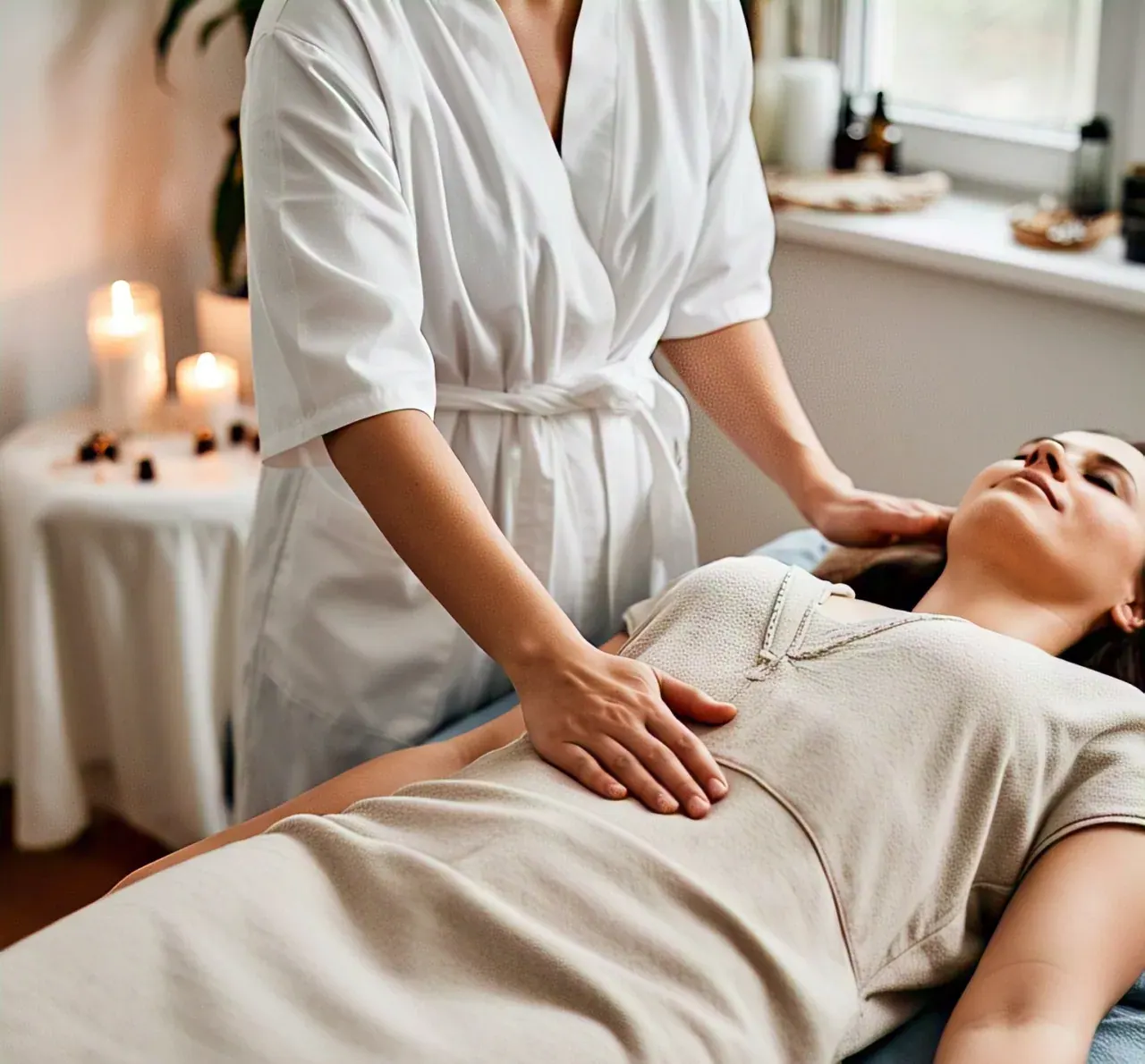
Vastu for Home Clinics and Therapy Rooms
Doctors, physiotherapists, counsellors and wellness practitioners who see clients at home can use Vastu to create calm, welcoming rooms. Entrance, seating, couch, colours and privacy.
By Dr. Kimaya Parikh-Ambekar, Vastu consultant, Andheri East, Mumbai

01
Why does Vastu matter for a home clinic?
Vastu matters for a home clinic because clients arrive seeking care, and a calm, well-arranged space helps them feel safe and heard. Many doctors, dentists, physiotherapists, counsellors, dietitians and wellness practitioners in Mumbai see clients in a room of their flat or bungalow.
A home clinic has two jobs: to support professional work and to protect family life. Vastu offers a framework for both, alongside the clinical, legal and hygiene standards your profession requires.
Vastu supports the atmosphere of a space. It does not replace medical training, treatment protocols or professional ethics.
02
Which room is suitable for a home clinic?
A room in the North-East, North or East of the home is generally well suited to a clinic or therapy room. These zones are associated with clarity, healing and fresh energy, and usually receive softer morning light.
01
North-East
The ईशान्य (Ishanya) is linked with Water and clarity; well suited to counselling, meditation and gentle therapies.
02
East
Linked with Surya and vitality; suits consultation and physiotherapy rooms.
03
North
Linked with Kubera and opportunity; suits consultation rooms and the practice's administrative work.
04
North-West
Acceptable for short consultations and practices with high client movement.
03
Where should the practitioner sit?
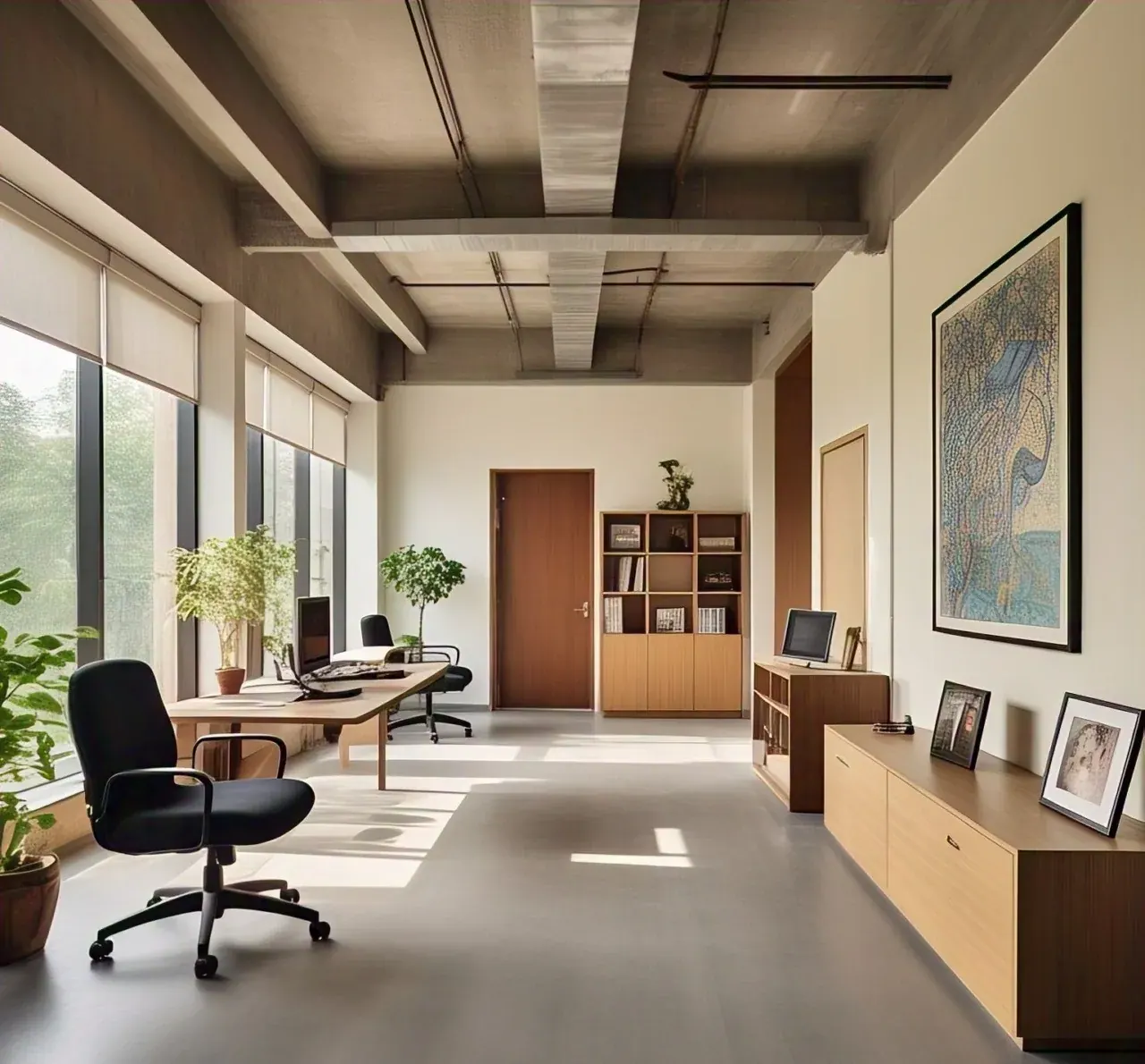
The practitioner is ideally seated in the South-West portion of the room, facing East or North. This position is associated with stability, authority and clear judgement.
Clients can sit across the desk facing South or West, or at a gentle angle for counselling, which many therapists prefer to face-to-face seating. Keep a solid wall behind the practitioner rather than a window or door.
01
Desk
A simple rectangular desk, uncluttered, with files stored in the South or West.
02
Records and cash
Patient records in a closed cabinet in the South-West; cash or payment QR in the North.
04
Where should the examination couch or therapy table go?
The examination couch or therapy table is ideally placed so the client lies with their head towards the South or East. This mirrors the recommended sleeping directions and is traditionally associated with rest and recovery.
Place the couch along the South or West side of the room where possible, leaving the North-East open. Ensure privacy screens, good ventilation and safe access on both sides for your professional work.
05
How should the entrance and waiting area be arranged?
The entrance and waiting area should feel clear, bright and separate from family spaces. A separate clinic entrance in the North or East is ideal; where that is not possible, a short, tidy route from the main door to the clinic room helps.
01
Waiting seats
Place seating in the North-West or West of the waiting area, with clients facing North or East.
02
Signage
A clean, well-lit nameplate at the entrance, kept in good condition.
03
Water
Drinking water for clients in the North-East or North.
04
Client toilet
In the North-West or West where available, kept spotless.
06
Which colours and décor support a healing atmosphere?
Soft, natural colours and simple, uplifting décor support a healing atmosphere. Clients often arrive anxious, so the room should feel calm rather than clinical or cluttered.
01
Colours
White, cream, pale green and light blue work well; avoid large areas of red or black.
02
Light
Natural daylight where possible, with warm, even artificial light rather than harsh tubes.
03
Plants
A healthy plant in the North or East adds life; avoid thorny plants.
04
Images
Peaceful landscapes, water or sunrise images; avoid pictures of conflict or loneliness.
05
Sound and scent
Soft background sound and a gentle, natural fragrance can help, if clients are comfortable.
07
How do you keep clinic and family energy separate?
You keep clinic and family energy separate through clear boundaries in space, time and routine. This protects family privacy and helps you switch off after work.
01
Close the door
Keep the clinic door closed outside consultation hours.
02
No family storage
Avoid storing household items in the clinic room.
03
Daily cleansing
Open windows, clean surfaces and use salt-water mopping or a brief sound cleansing at day's end.
04
Personal reset
Wash hands and face, change clothes or take a few quiet breaths before joining the family.
08
When to consult a Vastu expert
Consult a Vastu expert when you are setting up a new home clinic, converting a room for therapy work, or finding that the space feels heavy despite careful upkeep. A consultant can review the whole home so clinic and family areas support each other.
Dr. Kimaya Parikh-Ambekar of VastuKimaya advises clinics, therapy rooms and healthcare spaces on-site across Mumbai from her Andheri East office, and through distant consultations using floor plans and photographs, with non-structural remedies suited to working practices.
Questions
Frequently asked
Which direction is good for a doctor's cabin?
A doctor's cabin is well placed in the North-East, North or East, with the doctor seated in the South-West of the room facing East or North.
Which direction should a patient lie on the examination bed?
A patient ideally lies with the head towards the South or East on the examination bed. Always prioritise clinical needs, access and patient comfort.
Can I run a counselling practice from home as per Vastu?
Yes, a counselling practice can run from home with a calm room in the North-East, North or East and clear boundaries from family space. Soft colours, privacy and good light are key.
What colour is suitable for a clinic room?
White, cream, pale green and light blue are suitable colours for a clinic room. They feel clean and calming without being cold or stark.
Does Vastu improve patient outcomes?
Vastu does not replace clinical care or determine patient outcomes. It supports a calm, welcoming atmosphere that complements professional treatment.
Want this applied to your own home or office?
Book free consultation