





Residential Vastu · 19 September 2026 · 5 min read
Garden and Plant Placement as per Vastu
Tall trees in the South-West, lawns and tulsi in the North-East, flowering pots on an East balcony. A practical garden Vastu guide for bungalows, terraces and Mumbai balconies.
By Dr. Kimaya Parikh-Ambekar, Vastu consultant, Andheri East, Mumbai
01
Why does garden placement matter in Vastu?
Garden placement matters in Vastu because plants carry life, growth and fresh प्राण (prana, life energy), and their size and weight affect how light and air reach a home. A well-planned garden supports the balance of the five elements rather than blocking it.
The core idea is simple: keep the North and East open and light so morning sun and breeze can enter, and let taller, heavier greenery provide shelter along the South and West.
02
Where should tall trees be planted?
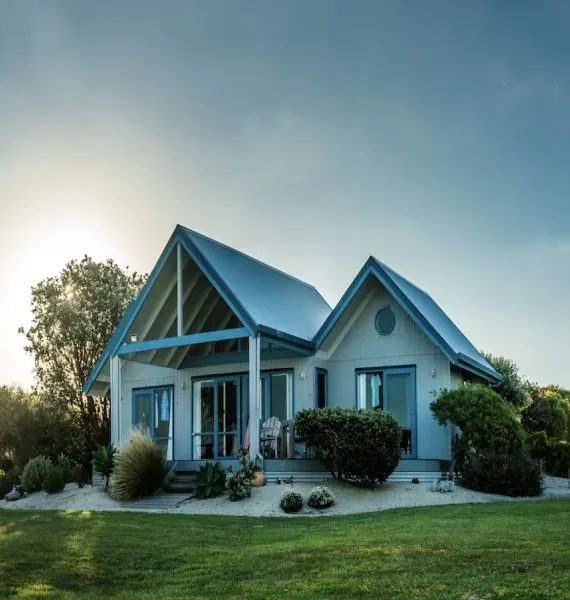
Tall trees are ideally planted in the South, West or South-West of a plot. These zones are linked with Earth and stability, and trees there shade the home from harsh afternoon sun without blocking the gentle morning light from the East.
Keep large trees at a reasonable distance from the building so roots do not disturb foundations and the canopy does not darken rooms. A tree directly in front of the main gate or door is traditionally avoided, as it obstructs the entrance.
01
South-West
Mango, neem or other large shade trees, planted well away from walls.
02
South and West
Medium trees, tall hedges and climbers on the compound wall.
03
Avoid in the North-East
Big trees that cast heavy shade over the North-East corner.
03
What should go in the North and East of the garden?
The North and East of the garden suit lawns, flower beds, low shrubs, herbs and water features. Keeping these zones open supports freshness, clarity and growth.
The ईशान्य (Ishanya, the North-East) is linked with Water, so a small fountain, birdbath or lotus pot works well here, kept clean and flowing.
01
Lawn
An open lawn in the North or East brings a sense of space and light.
02
Flowering plants
Jasmine, marigold, hibiscus and roses in pots or beds along the East and North.
03
Herbs
Mint, curry leaves and lemongrass in small pots near the East side of the kitchen garden.
04
Water feature
A fountain or pond in the North-East or North, never in the South-West.
04
Where should the tulsi plant be placed?
The tulsi plant is ideally placed in the North-East, North or East of the home or garden. Tulsi is revered in many Indian homes, and a raised tulsi vrindavan in the courtyard or balcony is a lovely focal point.
Keep the pot clean, water it regularly and let it receive morning sun. Many families light a diya near the tulsi in the evening as a peaceful daily ritual.
05
Which plants are generally avoided near the home?
Thorny, dry and dying plants are generally avoided near the main entrance and living areas. Vastu associates sharp thorns with friction and dead plants with stagnant energy.
01
Thorny plants at the door
Cacti and thorny shrubs are better kept away from entrances; roses are usually considered an exception.
02
Dead or diseased plants
Remove promptly and replace with healthy ones.
03
Plants oozing milky sap
Traditionally avoided close to the house.
04
Creepers on the building
Climbers are better on compound walls or trellises than growing over the house itself.
05
Bonsai
Some traditions avoid stunted plants indoors; if you love bonsai, keep them healthy and outdoors.
06
How can Mumbai flats apply garden Vastu on balconies?
Mumbai flats can apply garden Vastu by treating each balcony or window ledge as a small garden with its own direction. Even a narrow ledge can bring greenery into the home.
01
North or East balcony
Keep pots small and light: tulsi, money plant, herbs and flowering plants.
02
South or West balcony
Larger, heavier planters and taller plants like areca palms can sit here.
03
Indoor plants
Money plant, snake plant and peace lily are popular; keep them healthy and dust-free.
04
Drainage
Use trays so water does not pool on balcony floors or seep into walls.
05
Society terraces
Shared terrace gardens can follow the same logic of lighter North-East and heavier South-West.
07
How do you keep a garden's energy fresh?
You keep a garden's energy fresh through regular care: pruning, watering, weeding and clearing fallen leaves. A neglected garden, however well placed, feels heavy.
Keep garden tools stored neatly in the South-West or West, empty stagnant water promptly, and add soft lighting along paths so the garden stays welcoming after sunset.
08
When to consult a Vastu expert
Consult a Vastu expert when you are planning a new bungalow garden, landscaping a plot, or wondering whether a large existing tree affects your home. Direction, distance and scale all need to be measured together.
Dr. Kimaya Parikh-Ambekar of VastuKimaya advises on gardens, terraces and balconies as part of residential Vastu consultations, on-site across Mumbai from her Andheri East office or through distant consultations using site plans and photographs.
Questions
Frequently asked
Which direction is good for a garden as per Vastu?
The North, East and North-East are generally good directions for a garden with lawns and low plants. Taller trees suit the South, West and South-West.
Can I plant a tree in front of my house?
A large tree directly in front of the main door or gate is traditionally avoided. Small plants and flowering shrubs to either side of the entrance are welcoming instead.
Is a cactus bad as per Vastu?
A cactus is not bad in itself, but Vastu suggests keeping thorny plants away from the entrance and main living areas. A South or West balcony or an outdoor corner is a gentler place for them.
Where should a money plant be kept?
A money plant is commonly kept in the South-East or North of the home, in a healthy condition. Guide its creepers upwards rather than letting them trail on the floor.
Is a water fountain good in the garden?
Yes, a water fountain is considered good in the North-East or North of the garden. Keep the water clean and flowing, and avoid placing it in the South-West.
Want this applied to your own home or office?
Book free consultation