
Festivals & Rituals · 5 October 2026 · 6 min read
Diwali Lighting: Where Light Actually Belongs in a Home
Beyond stringing lights along a balcony. Which parts of a Mumbai flat Vastu wants lit, which corners are usually left dark, what colour of light suits which direction, and how to keep it safe.
By Dr. Kimaya Parikh-Ambekar, Vastu consultant, Andheri East, Mumbai
Read this in: हिन्दी
01
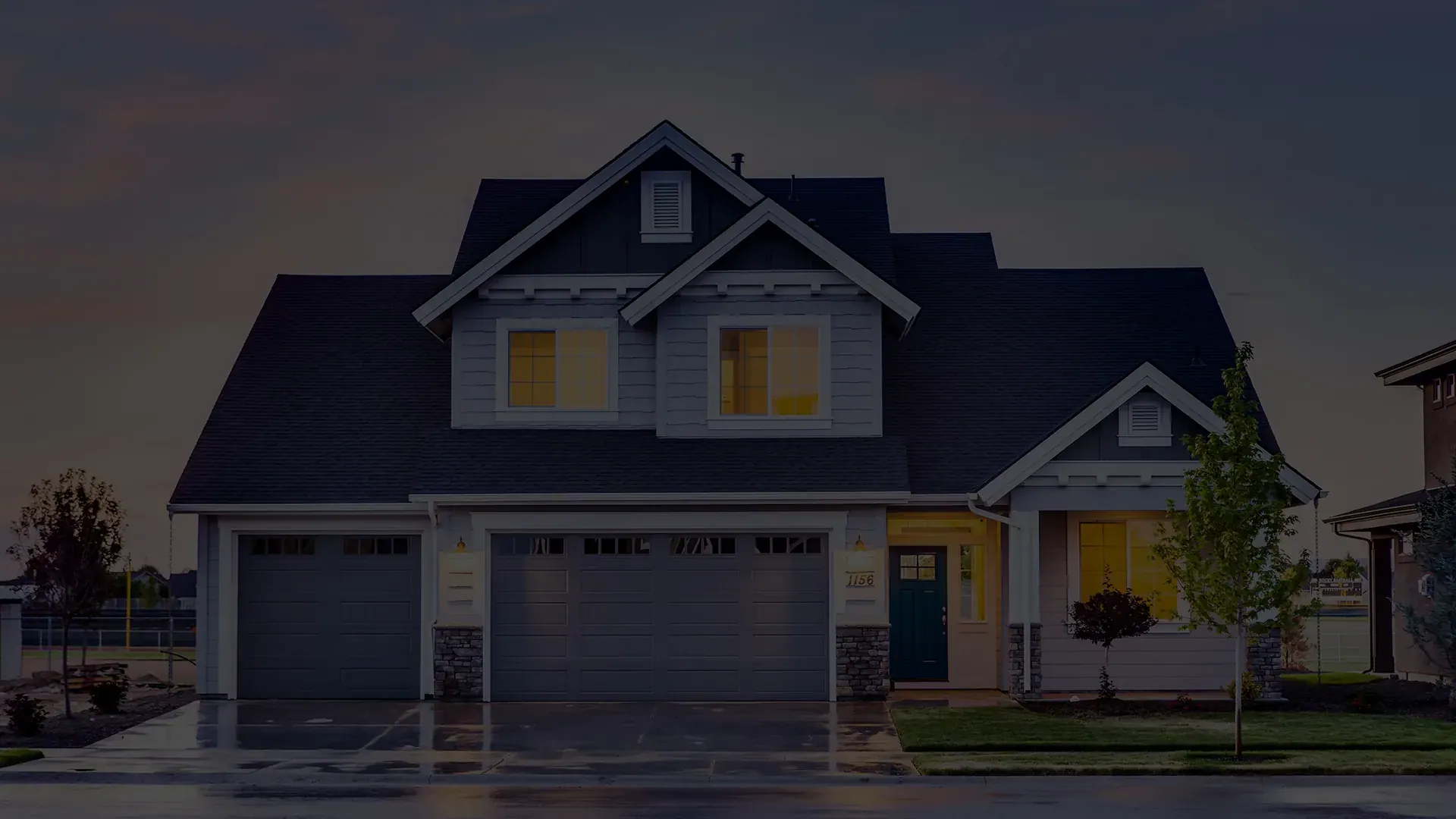
Start at the door, not the balcony
Most Diwali lighting goes on the balcony, because that is what the street sees. In Vastu the order runs the other way: the main door first, because it is treated as the point through which everything enters a home.
A pair of दीप (deep, lamps) at the threshold, a working bulb overhead and a doorway clear enough to walk through comfortably do more, in this tradition, than a hundred feet of string lights along a railing. If the light outside your door has been fused since last year, that is the first job.
02
Then the north-east
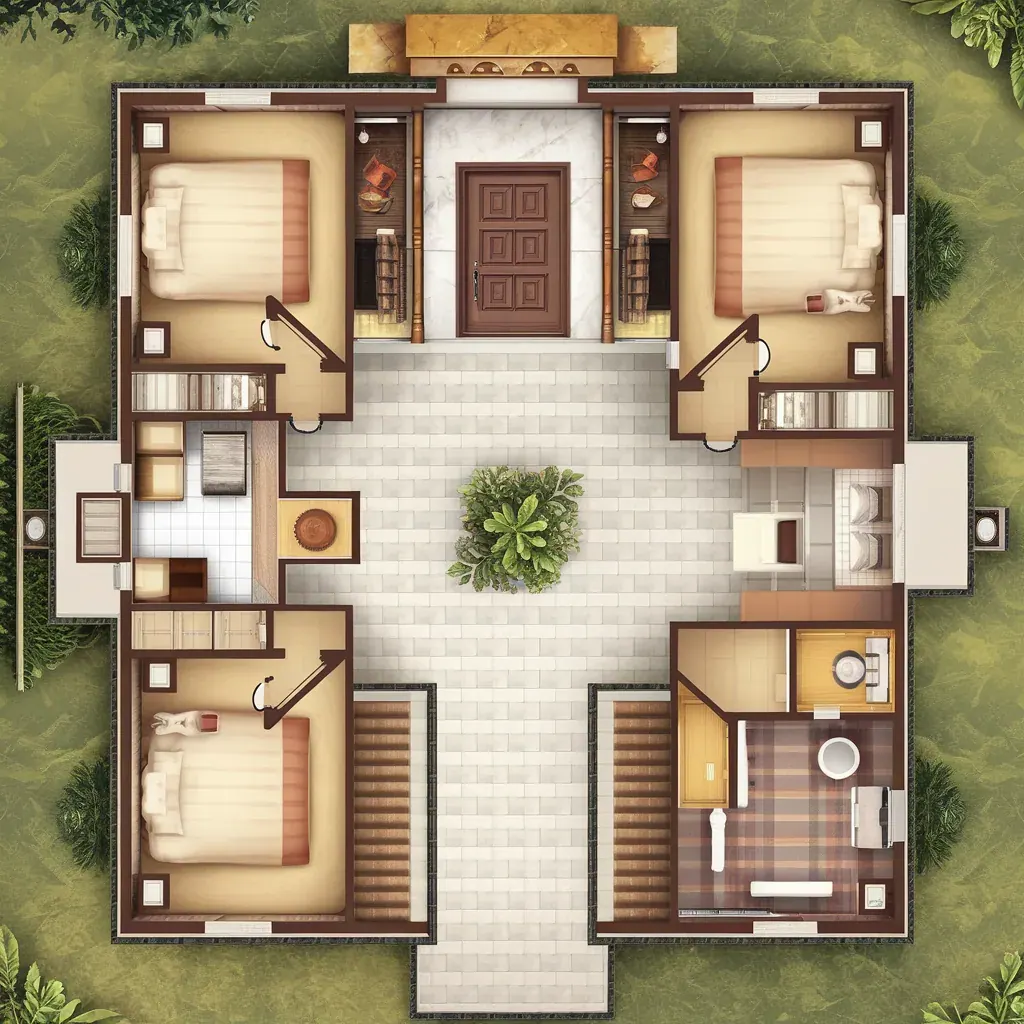
The north-east is the zone Vastu wants lightest all year, and it is the one most Mumbai flats treat as storage. Diwali is a reasonable excuse to clear it and put something bright there.
A lamp, a candle in a stable holder, or simply a better bulb in an existing fitting is enough. What matters is that the corner stops being the dark one.
03
Then the corners nobody lights
Walk the flat at dusk with the usual lights on and notice where it stays dim. In most homes the same places come up: the passage, the far end of a bedroom, behind a wardrobe, the service area, the landing outside the door.
These are the places worth a lamp during the festival, and in several cases worth a permanent fix afterwards. A dark corner in a home is a practical problem before it is a Vastu one — it is where clutter accumulates, because nobody can see it.
- The passage between rooms, which usually has one weak ceiling light.
- The corner of a bedroom furthest from the window.
- The space behind or beside a tall wardrobe.
- The utility or service area, and the balcony beyond the drying rack.
- The landing or lobby immediately outside your door.
04
Warm or cool, and which direction
The broad convention follows the elements. North and east are associated with water and air and suit bright, clear light — these are the sides you want lifted. South and west carry weight and warmth, and generally want less light rather than more.
In practice, warm light reads as welcoming almost everywhere and is the safer default for a home. Cool white suits a kitchen platform and a study desk, where you actually need to see. The common mistake in Mumbai flats is cool white everywhere, which makes a living room feel like an office.
- North and east — brighter, warm or neutral. Lift these sides.
- South and west — warmer and softer. They do not need to be the brightest.
- South-east, the fire zone — the kitchen, where task light matters most.
- Entrance — warm and genuinely bright. Never a dim or flickering bulb.
05
Diyas, candles and electric lamps
There is no Vastu objection to electric lighting, and a covered lantern is a perfectly reasonable substitute on a windy balcony. The tradition asks for light at the doorway, not for a particular technology.
Where oil lamps are used, keep one burning at the entrance through the evening rather than lighting fifty for photographs and letting them all go out. A single lamp that stays lit is closer to the practice than a display that does not.
06
Safety, said plainly
Home fires rise around Diwali, and almost all of them are avoidable. Keep lamps and candles away from curtains, dupattas, paper decorations and anything synthetic. Use a stable base rather than balancing them on a ledge or a railing.
Never leave lamps burning in an empty flat, and keep them out of reach of young children and pets. Check that string lights are not old, frayed or overloading a single socket — a Mumbai flat on an old circuit is not the place to run six extensions from one point.
If anyone in the home has asthma or a breathing condition, remember that smoke from lamps and crackers accumulates indoors. Ventilate properly, and keep the windows of a bedroom clear.
07
What to keep after the festival
The decorations come down. What is worth keeping is the lighting you fixed: the bulb outside the door, the lamp in the north-east, the light in the dark passage.
Every year households discover at Diwali that a particular corner has been dim for months, light it for a week, and let it go dark again in December. The useful part of the festival is the discovery, not the week.
Questions
Frequently asked
Which direction should Diwali lights face in a home?
Light the entrance first, then the north-east, then any corner the home normally leaves dark. North and east suit brighter light; the south and west carry weight and need less.
Is it acceptable to use electric lights instead of diyas?
Yes. There is no Vastu objection to electric lighting, and a covered lantern is sensible on a windy balcony. The tradition asks for light at the doorway, not for a particular kind of lamp.
What colour of light is best for a home?
Warm light suits a home almost everywhere. Cool white is better kept to the kitchen platform and a study desk, where you need to see clearly.
Where should diyas not be placed?
Away from curtains, paper decorations and anything synthetic, never balanced on a ledge or railing, and never left burning in an empty flat or within reach of children and pets.
How long should the entrance lamp be kept lit?
Through the evening, and commonly across all five days from Dhanteras to Bhai Dooj. One lamp that stays lit is closer to the tradition than many that go out early.
Want this applied to your own home or office?
Book free first call