






Festivals & Rituals · 21 October 2026 · 8 min read
Bhai Dooj 2026 (Bhau Beej): Significance and the Tilak Ritual at Home
Bhai Dooj, or Bhau Beej, closes Diwali on 10 or 11 November 2026 depending on your panchang. The Yama and Yamuna story, where siblings sit for the tilak, what goes on the aarti thali, gifts, and how to keep the day when you live apart.
By Dr. Kimaya Parikh-Ambekar, Vastu consultant, Andheri East, Mumbai
Read this in: हिन्दी

01
When is Bhai Dooj in 2026?
Bhai Dooj falls on Kartik Shukla Dwitiya, the second day of the bright half of Kartik, which panchangs place on either Tuesday 10 November or Wednesday 11 November 2026. The tilak is traditionally done in the afternoon while the Dwitiya tithi is running, and this year the tithi begins on one afternoon and ends on the next, so calendars differ.
Confirm the day, and any muhurat, with a panchang for your city or with your family priest before fixing a time with your siblings, especially if one of you lives in another time zone. It comes after Govardhan Puja and Diwali Padwa and closes the five days of Diwali.
The day has many names. It is यम द्वितीया (Yama Dwitiya, the second lunar day of Yama), Bhai Tika in Nepal, Bhai Phonta in Bengal, and भाऊबीज (Bhau Beej) in Maharashtra. The customs differ a little with each name, and every version is equally valid.
02
What is the story behind Bhai Dooj?
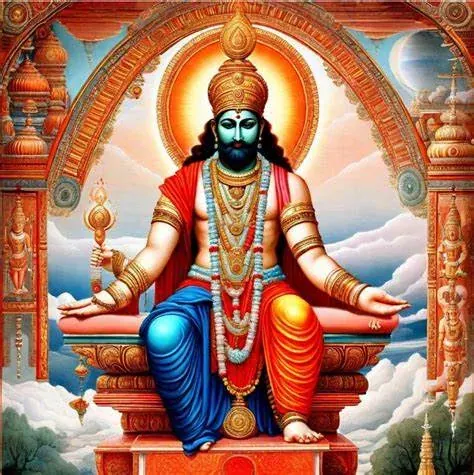
The most widely told story is of Yama, the deity of death and of the South, visiting his sister Yamuna on this day after a long separation. She welcomed him with a tilak, an aarti and a meal she had cooked herself, and, moved by her affection, he blessed every brother who visits his sister on this day and receives her tilak with a long life.
Another story tells of Krishna visiting his sister Subhadra after defeating Narakasura, welcomed with lamps and a tilak. Both carry the same thought: a sibling's welcome is itself a kind of protection.
03
What does Bhai Dooj mean for families today?
Today Bhai Dooj is a day to honour the bond between siblings: the sister prays for her brother's long life and well-being, and the brother offers care and support in return.
In practice it is wider than the old wording. Sisters celebrate with sisters, cousins stand in for siblings, and in some Maharashtrian families a girl without a brother performs the aarti to the moon instead. Many brothers now return the tilak too. Families shape the day around the people they have, and that is as it should be.
04
Where should siblings sit for the Bhai Dooj tilak?
Seat the brother facing East or North for the tilak, the directions Vastu generally prefers for any ritual, with the sister facing him. Customs vary, and some families seat him facing the puja area or follow their priest instead; where your tradition is clear, follow it.
01
Choose a bright, settled spot
The East, North or North-East part of the living room, or the space in front of the puja area, works well. Avoid a doorway, a passage, or a seat directly under a beam.
02
A solid wall behind him
If the brother faces East or North, his back is to the West or South. A wall there gives a sense of support; the main door behind him does not.
03
The seat
In Maharashtra the brother traditionally sits on a पाट (paat, a low wooden seat) with a small rangoli drawn around it. A cushion or a chair is just as good for an elderly brother or anyone with knee trouble.
04
Keep the centre open
Gather around the seat rather than pushing furniture into the middle of the room. Vastu keeps the centre of the home light and clear, festival or not.
05
What goes on the Bhai Dooj aarti thali?
A Bhai Dooj thali usually holds a lit diya, kumkum or roli for the tilak, अक्षता (akshata, unbroken rice grains), a sweet, and often flowers, a small coconut or a betel leaf. A clean brass, copper or steel plate, set out before the brother arrives, keeps the ritual unhurried.
The usual order is the tilak, then the rice pressed onto it, then the aarti, circling the lamp before the brother's face, then the sweet, and then the gift. Many sisters go on to serve a meal they have cooked, recalling Yamuna feeding Yama.
01
The lamp
Set it on its own small plate or stand so it does not tip, and keep dupattas, sleeves and children's hands clear while it circles.
02
The tilak
Kumkum or roli mixed with a drop of water; some families add sandalwood or haldi. The ring finger or thumb is commonly used, depending on family custom.
03
The sweet
Fed by the sister to the brother after the aarti. Anything from the Diwali faral is fine.
06
What gifts are given on Bhai Dooj?
The brother traditionally gives his sister a gift after the aarti, and in Maharashtra the gift itself is often called the ovalni. Today gifts often go both ways, and they need not be costly.
Something chosen with thought, such as a book, a plant, a brass lamp or a handwritten note, usually means more than its price. For what is commonly given and what many families quietly avoid, see Diwali gifts: what is traditionally given.
07
How can siblings who live apart celebrate Bhai Dooj?
Siblings who live apart can keep Bhai Dooj with a video call at an agreed time and a tilak packet sent ahead, and many families across Mumbai, other cities and abroad now do exactly this.
01
Post a tilak packet a week ahead
A small sealed pouch of kumkum, a few grains of rice, a sweet that travels well and a note. For international post, keep it dry and check the destination's rules on food.
02
Agree a time
Choose a time within the Dwitiya tithi for one of you if you can, or simply a time that suits both. The intention matters more than the clock.
03
On the call
The sister performs the aarti on her side, before the screen or his photograph, while the brother applies the tilak himself from the packet.
04
Set up both ends
Each of you can sit facing East or North in a clean, bright spot, with a lamp lit safely nearby.
05
Send the gift
Order it online to arrive on the day, or keep it for the next time you meet.
08
How do you close the Diwali festival at home after Bhai Dooj?
Close the festival by clearing burnt-out diyas, sweeping away worn rangoli, replacing a dried toran and putting the puja area back in its daily order. Spent decorations left for a week work against the fresh, light home the festival set out to create.
If you would like to keep some light going, a lamp at the entrance and in the puja area through the month of Kartik is a gentle way to do it, and Dev Deepawali at home covers the lamp-lit full moon that ends the season. To look back over all five days, see the Diwali 2026 Vastu calendar.
09
When to consult a Vastu expert
Consult a Vastu expert if family gatherings at home keep feeling strained or cramped, if there is nowhere bright and settled to sit together, or if you are setting up a new home before next year's festivals.
Dr. Kimaya Parikh-Ambekar advises homes from the VastuKimaya office in Andheri East, on-site across Mumbai, and through distant consultations using your floor plan and photographs, which suits families spread across cities and countries. Remedies are non-structural, so they work in rented flats too. Vastu can support a warmer, calmer home; relationships themselves are built by the people in them.
Questions
Frequently asked
When is Bhai Dooj in 2026?
Panchangs give either Tuesday 10 November or Wednesday 11 November 2026, because the Dwitiya tithi runs from one afternoon into the next. Check a panchang for your city or ask your family priest.
Which direction should the brother face during Bhai Dooj?
East or North, the directions Vastu generally prefers for rituals, with the sister facing him. Customs vary, so follow your family's practice where it differs.
What is kept in the Bhai Dooj thali?
A lit diya, kumkum or roli, unbroken rice, a sweet, and often flowers, a coconut or a betel leaf, arranged on a clean brass, copper or steel plate.
Can Bhai Dooj be celebrated on a video call?
Yes. Post a tilak packet ahead and agree a time. On the call the sister performs the aarti on her side while the brother applies the tilak himself.
Is Bhau Beej the same as Bhai Dooj?
Yes. Bhau Beej is the Marathi name for Bhai Dooj, celebrated on the same day with a tilak and aarti, often with the brother seated on a low wooden seat surrounded by rangoli.
What is the story of Yama and Yamuna on Bhai Dooj?
Yama visited his sister Yamuna on this day, and she welcomed him with a tilak, an aarti and a meal. Moved, he blessed every brother who receives his sister's tilak that day with a long life.
Want this applied to your own home or office?
Book free first call