



Vastu Shastra · 19 September 2026 · 5 min read
Vastu and Science: Light, Air and Orientation
Why face East, keep the North-East open or place heavy walls in the South-West? Exploring Vastu and science through sunlight, ventilation, heat and orientation, honestly and without overclaiming.
By Dr. Kimaya Parikh-Ambekar, Vastu consultant, Andheri East, Mumbai
01
Is Vastu Shastra scientific?
Vastu Shastra contains many principles that align with practical, observable ideas about sunlight, ventilation, heat and comfort, alongside traditional concepts of energy that science has not measured. It is honest to hold both views together.
Vastu developed in the Indian subcontinent, where the sun's path, monsoon winds and intense summer heat shaped how people built. Classical texts such as the Mayamatam and Manasara describe layouts, proportions and orientations. Read today, several of their recommendations make sense in terms of climate-responsive design, while ideas such as प्राण (prana, life energy) and the Vastu Purusha belong to spiritual and cultural tradition.
02
Why does Vastu favour the East and morning light?
Vastu favours the East because the morning sun rises there, bringing gentle light and warmth into the home early in the day. East-facing windows let in bright, softer light before the heat builds.
Morning daylight is widely recognised as helpful for waking up and setting the body's daily rhythm, and many people simply feel more alert in a sunlit room. This fits Vastu's advice to face East while studying or praying, to cook facing East, and to keep East walls open with windows rather than blocked by heavy cupboards. East is associated in Vastu with Indra and Surya, the sun.
03
Why are South and West walls kept heavier?
Vastu keeps South and West walls heavier and higher because, in India, these sides receive the harsher afternoon and evening sun. Thicker walls, fewer large openings and heavier furniture on these sides can help buffer heat.
In building terms, mass on the hot sides absorbs heat and slows its movement into living spaces. This is consistent with Vastu's placement of the master bedroom in the South-West, a zone associated with stability and the Earth element, and with its preference for storage and staircases on the South and West.
04
What does Vastu say about air and ventilation?
Vastu places great importance on free movement of air, and good ventilation is equally valued in building science for comfort and indoor air quality. Keeping the North-West, the Air zone of Vayu, active and uncluttered, and opening windows on opposite sides, allow air to move through a home.
Vastu's advice to keep the ब्रह्मस्थान (Brahmasthan, the centre) open echoes the traditional courtyard house, where an open centre drew light and air into every room. In modern flats, keeping the centre uncluttered and doors open during the day helps air circulate. Kitchens in the South-East or North-West also benefit from windows and exhaust for smoke and heat.
05
Why is the kitchen placed in the South-East?
The kitchen is placed in the South-East because it is the zone of Agni, the Fire element, and practical reasons are often suggested alongside this. A South-East kitchen receives morning light, which was valuable for cooking in homes before electricity, and cooking facing East lets the cook work in natural light.
Many also point out that morning sunlight can help keep a kitchen dry and fresh. These explanations are reasonable interpretations rather than proven cause-and-effect, but they show how tradition and daily practicality often overlap.
06
What about sleeping direction and magnetism?
Vastu recommends sleeping with the head towards the South or East, and a popular explanation links this to the Earth's magnetic field. It is fair to say this explanation is widely repeated but not established by scientific research.
What we can say is that a consistent, comfortable sleeping arrangement, a dark and quiet room and a calm mind all support rest. Vastu's sleeping guidance can be followed as a respected tradition, without needing to overstate its scientific basis. Comfort and consistency remain the practical priorities.
07
Where does Vastu go beyond measurable science?
Vastu goes beyond measurable science in its concepts of subtle energy, the deities of the directions and the energetic effect of remedies such as crystals, pyramids and yantras. These are part of a spiritual and cultural framework rather than laboratory findings.
01
Directions and deities
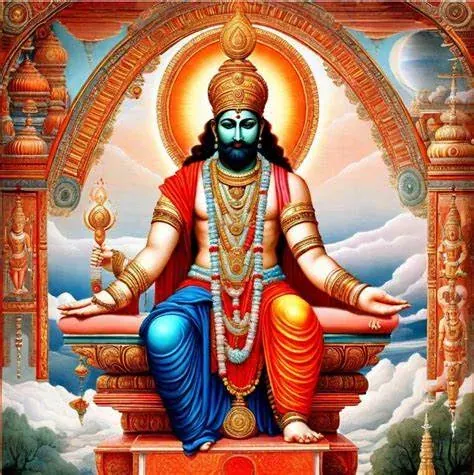
North is associated with Kubera, North-East with Isha, South-East with Agni and South-West with Nairutya.
02
The five elements
पंचतत्व (Pancha Tattva, the five elements) of Earth, Water, Fire, Air and Space are mapped to zones.
03
Remedies
Crystals, pyramids and Reiki are experienced by many as supportive, but are complementary practices.
04
A respectful approach
It is possible to value these traditions without making claims that science has proven them.
08
How can you use Vastu's practical wisdom today?
You can use Vastu's practical wisdom by letting light, air and orientation guide simple choices in your home. These steps are useful whatever your view of subtle energy.
01
Open the East and North
Keep windows on these sides clear of heavy cupboards and clutter.
02
Air out daily
Open windows on opposite sides each morning for cross-ventilation.
03
Keep the centre open
Avoid heavy furniture or storage in the middle of the home.
04
Place heavy items South and West
Wardrobes and bookcases on these walls help balance the layout.
05
Face the light
Position study and work desks to face East or North where possible.
09
When to consult a Vastu expert
Consult a Vastu expert when you want an analysis that combines practical layout sense with traditional principles, especially before buying, building or renovating. Dr. Kimaya Parikh-Ambekar, who holds a Doctorate in Computer Science, brings a structured, analytical approach to compass measurement, zone mapping and non-structural remedies.
VastuKimaya is based in Andheri East, with on-site consultations across Mumbai and distant consultations using floor plans and photographs.
Questions
Frequently asked
Is there scientific proof for Vastu Shastra?
Several Vastu principles align with practical ideas about light, heat and ventilation, but its energy concepts have not been scientifically proven. Many people value it as a traditional science of space.
Why is the North-East kept open in Vastu?
Vastu keeps the North-East open and light because it is associated with clarity and the Water element. Practically, an open North-East also lets in gentle morning light.
Why should we not sleep with the head towards North?
Vastu advises sleeping with the head towards South or East. A popular explanation involves the Earth's magnetic field, though this has not been established by research.
Does Vastu apply to modern buildings?
Yes, Vastu principles of light, air, orientation and zone use can be applied to modern flats and offices, usually with non-structural remedies.
Is Vastu similar to climate-responsive architecture?
In some respects, yes. Both consider sun path, heat and ventilation, although Vastu also includes spiritual and energetic concepts.
Want this applied to your own home or office?
Book free consultation