




Healing Therapies · 19 September 2026 · 5 min read
Tortoise, Horseshoe and Other Vastu Symbols
Where should a metal tortoise face? Does a horseshoe belong in Vastu? A clear guide to tortoise Vastu direction and other popular symbols such as the toran, swastika, kalash and elephants.
By Dr. Kimaya Parikh-Ambekar, Vastu consultant, Andheri East, Mumbai
01
Why are symbols used in Vastu?
Symbols are used in Vastu as gentle, visible reminders of the qualities a family wishes to invite, such as stability, protection, prosperity and harmony. They sit alongside the core of Vastu, which is the placement of rooms, the balance of the पंचतत्व (Pancha Tattva, the five elements) and the free flow of light and air.
A symbol is not a substitute for a balanced layout, and it does not need to be expensive. Placed thoughtfully, kept clean and chosen with meaning, a single symbol can make an entrance or a corner feel cared for.
02
Which direction should a tortoise face as per Vastu?
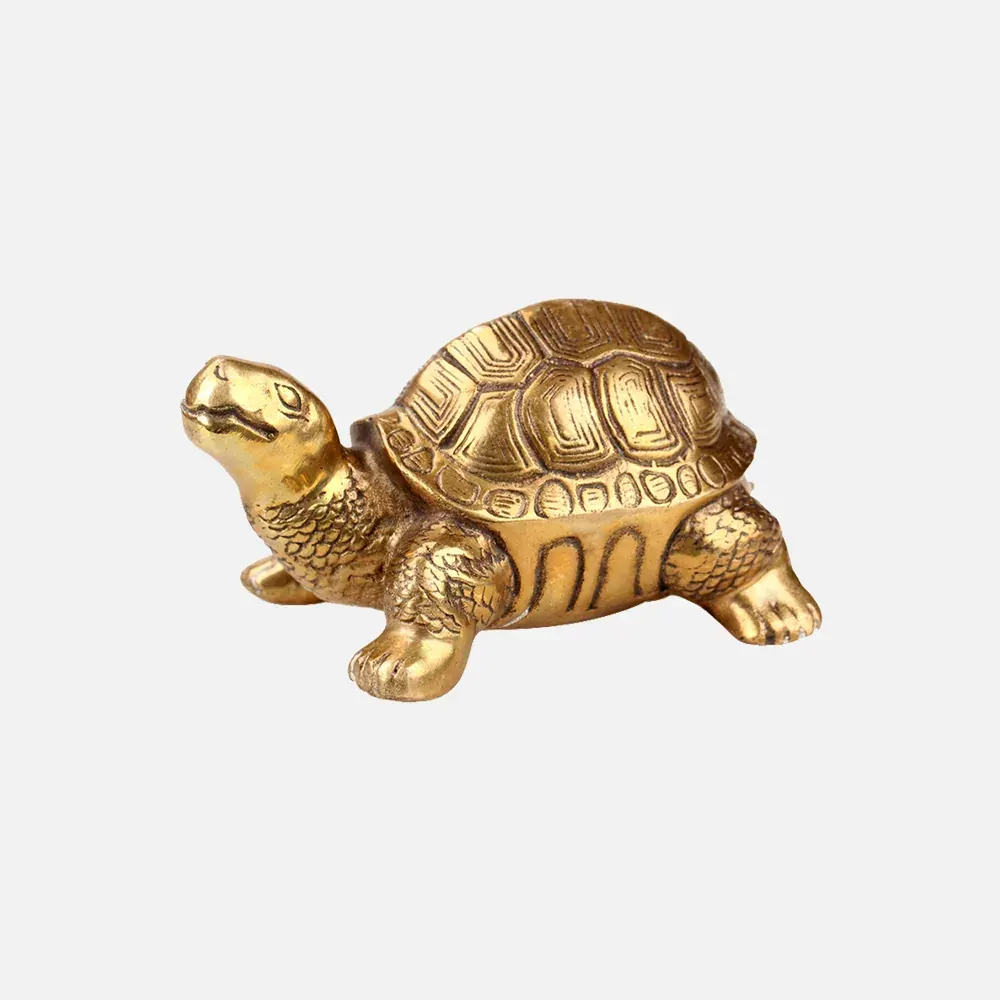
A tortoise is traditionally placed in the North of the home or room, facing inwards, as if walking into the house. The North is the direction of Kubera, associated with wealth and opportunity, and the tortoise, a creature of water, suits this Water-linked zone.
In Indian tradition, the tortoise is linked with the कूर्म (Kurma, the tortoise) avatar of Lord Vishnu, who is said to have supported the churning of the ocean. For this reason it is associated with stability, patience, support and long life.
01
Metal tortoise
A brass or other metal tortoise suits the North or North-West.
02
Crystal tortoise
A clear crystal tortoise suits the North or North-East.
03
Wooden tortoise
Wood relates to growth and suits the East or South-East.
04
Tortoise in water
Some families keep a metal tortoise in a shallow bowl of clean water in the North; change the water regularly.
03
Is the horseshoe a Vastu symbol?
The horseshoe is not a classical Vastu symbol; it comes from Western and some folk traditions, where it is hung for good luck and protection. In India, a black iron horseshoe is also sometimes hung at doorways as a folk custom linked with protection.
If a horseshoe has meaning for your family, it is usually hung above the outside of the main door. Keep it clean and firmly fixed. For a Vastu-based entrance, traditional symbols such as a toran, Om or swastika, good lighting and a clear doorway are more closely connected with the tradition.
04
Which symbols suit the main entrance?
Auspicious traditional symbols suit the main entrance, where they welcome energy and guests into the home. Keep the door area clean, well lit and uncluttered so the symbols are not lost among shoes and bags.
01
Toran
A toran of fresh mango or ashoka leaves, or a fabric or metal version, hung across the door frame.
02
Swastika and Om
An auspicious swastika or Om symbol on or beside the main door.
03
Shubh-Labh
The words Shubh (auspiciousness) and Labh (gain) on either side of the door.
04
Rangoli
A simple rangoli at the threshold on festive days.
05
Nameplate
A clean, clearly readable nameplate, well lit in the evening.
05
Where should elephant, swan and other animal symbols go?
Animal symbols are placed according to the quality they represent. Choose peaceful, graceful forms rather than aggressive poses.
01
Elephants
Associated with strength and wisdom; a pair with trunks raised is often placed near the entrance or in the living room.
02
Paired swans
A symbol of companionship, often placed in the South-West bedroom to support harmony between couples.
03
Cow and calf
A gentle symbol of nurturing and abundance, suited to the living room or North-East.
04
Horses
Running horses are associated with momentum and are often placed in the South of an office or living room.
06
Which spiritual symbols suit the pooja room?
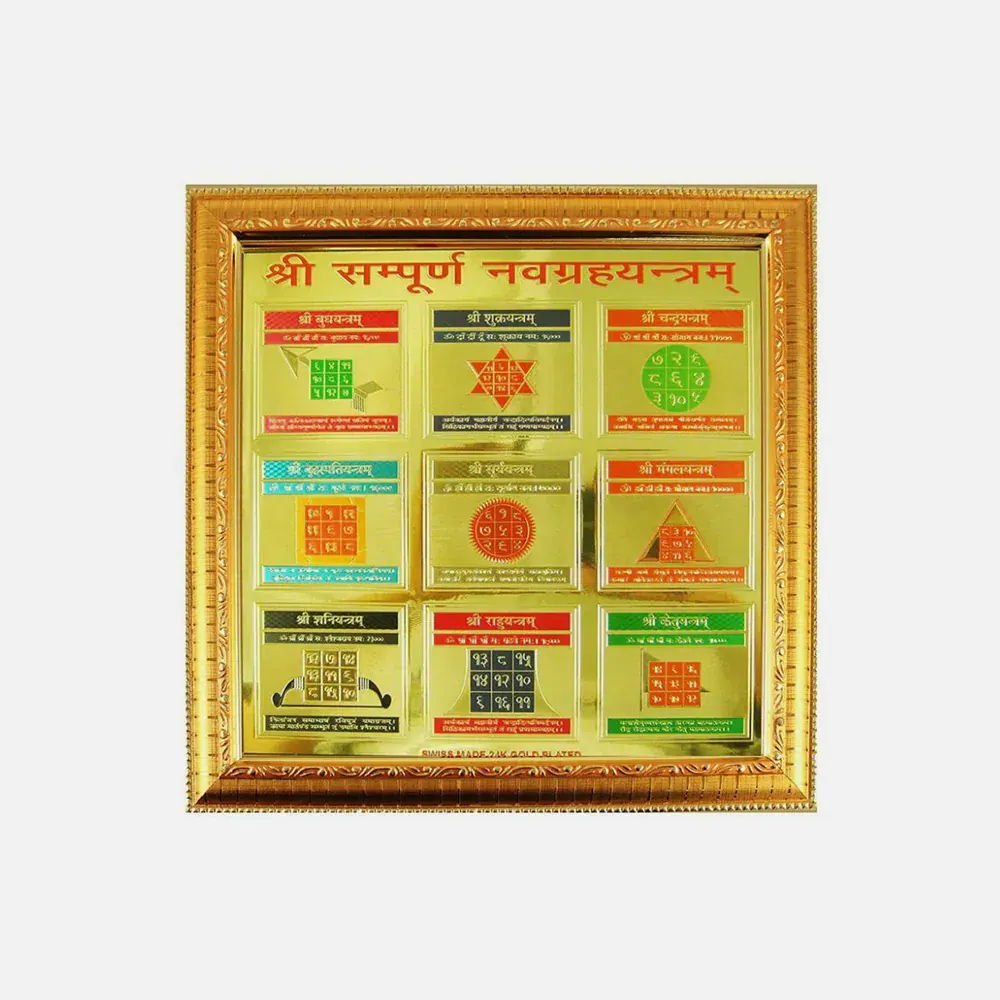
Spiritual symbols such as the kalash, diya, Shree Yantra and Om suit the pooja corner in the North-East. This zone, known as ईशान्य (Ishanya, the North-East), is associated with clarity and devotion, and is traditionally kept clean, light and uncluttered.
01
Kalash
A copper or brass pot of water topped with mango leaves and a coconut, symbolising abundance.
02
Diya
A lamp lit morning and evening, placed safely in the pooja area.
03
Yantras
Sacred geometric diagrams, kept clean and placed with respect after proper activation.
04
Conch
A shankh is often kept in the pooja area and associated with purity of sound.
07
How do Vastu symbols differ from Feng Shui items?
Vastu symbols come from Indian tradition, while items such as the three-legged frog, wind chimes with Chinese coins or Laughing Buddha figures come from Feng Shui, a separate Chinese tradition. Both aim to create a harmonious space, but their principles, directions and remedies differ.
If you like an object from another tradition, there is no need for fear. Simply avoid treating it as a Vastu remedy, and keep the core of your home aligned with Vastu placements.
08
How should symbols be cared for?
Care for symbols by keeping them clean, intact and uncluttered, because neglected or broken objects are associated with stagnant energy. A dusty tortoise hidden behind papers does little for a space.
01
Clean regularly
Wipe metal and crystal symbols and polish brass occasionally.
02
Replace damaged pieces
Chipped or broken symbols are respectfully removed or replaced.
03
Fewer is better
Choose one or two meaningful symbols rather than crowding a shelf.
04
Refresh torans
Replace leaf torans before they dry out.
09
When to consult a Vastu expert
Consult a Vastu expert if you are unsure whether a symbol suits your home, or if you are relying on symbols to cover a larger concern such as a difficult entrance or a missing corner. Dr. Kimaya Parikh-Ambekar considers symbols as part of a complete, non-structural plan that may include pyramids, crystals, colour and metal.
VastuKimaya is based in Andheri East, with on-site visits across Mumbai and distant consultations using floor plans and photographs.
Questions
Frequently asked
Where should I keep a tortoise in my home?
Keep a tortoise in the North of the home or room, facing inwards. A metal tortoise also suits the North-West and a crystal tortoise the North-East.
Can a tortoise be kept in the bedroom?
A tortoise is more commonly placed in the living area, entrance zone or study than the bedroom. If kept in a bedroom, place it in the North of the room and keep it clean.
Where should a horseshoe be hung?
A horseshoe is usually hung above the outside of the main door. It is a folk and Western good-luck custom rather than a classical Vastu remedy.
Should the tortoise face inside or outside the house?
The tortoise should face into the home, as if it is walking in. This is associated with welcoming stability and opportunity.
Is it bad to keep broken idols or symbols?
Broken symbols should be respectfully removed or replaced, because damaged objects are associated with stagnant energy in Vastu.
Want this applied to your own home or office?
Book free consultation