



Vastu Shastra · 19 September 2026 · 6 min read
Pancha Tattva: The Five Elements in Vastu
Water, Fire, Air, Earth and Space are the foundation of Vastu. Learn where each of the five elements sits in your home and how to keep them in balance.
By Dr. Kimaya Parikh-Ambekar, Vastu consultant, Andheri East, Mumbai

01
What are the five elements in Vastu?
The five elements in Vastu are Water (जल, Jal), Fire (अग्नि, Agni), Air (वायु, Vayu), Earth (पृथ्वी, Prithvi) and Space (आकाश, Akash). Together they are called पंचतत्व (Pancha Tattva, the five elements), and Vastu Shastra treats them as the building blocks of every space and every living being.
The idea is simple and intuitive. Our bodies need water, warmth, breath, a stable ground and room to move. A home that gives each of these qualities its natural place feels comfortable and supportive. When one element dominates a zone where another belongs, the space can feel restless, heavy or stuck.
Vastu does not ask you to fear any direction. Every zone has its own strengths, and the aim is balance, not perfection.
02
Which direction belongs to which element?
Each of the five elements is linked with a direction on the वास्तु पुरुष मंडल (Vastu Purusha Mandala), the energy grid that Vastu lays over a plot or floor plan.
01
Water — North-East
The zone of Isha, associated with clarity, wisdom and new beginnings. Ideal for the pooja room, a meditation corner or a small water feature.
02
Fire — South-East
The zone of Agni, associated with energy, digestion and confidence. The traditional place for the kitchen, with the cook facing East.
03
Air — North-West
The zone of Vayu, associated with movement, communication and support from others. Suits a guest room, a children's room or storage of finished goods.
04
Earth — South-West
The zone of Nairutya, associated with stability, relationships and grounding. The natural place for the master bedroom and heavy furniture.
05
Space — Centre
The ब्रह्मस्थान (Brahmasthan, the centre), which should be kept open, light and free of heavy objects, pillars or toilets.
03
What happens when the five elements are out of balance?
When the elements are out of balance, the qualities of that zone tend to feel weakened or disturbed. Vastu reads these as tendencies in how a space feels, not as certain outcomes.
A kitchen or stove in the North-East, for example, places Fire in the zone of Water, and households often describe this as a restless or argumentative atmosphere. A water tank or bathroom in the South-West introduces Water into the zone of Earth, which may be felt as instability. A cluttered or closed centre can make a whole home feel cramped, however large it is.
It is worth remembering that many issues in life have practical causes too. Vastu looks at the space as one contributing factor, and it works alongside the other steps you take.
04
How can you balance the five elements without demolition?
You can balance the five elements using non-structural remedies such as colour, metal, crystals, pyramids, light and placement. This matters in Mumbai, where most people live in society flats and cannot move a kitchen or bathroom.
01
Colour
Soft blues and whites support Water in the North-East; warm reds, oranges and pinks support Fire in the South-East; earthy yellows and beige strengthen Earth in the South-West; whites and light greys suit Air in the North-West.
02
Placement
Keep heavy cupboards in the South-West, light and open décor in the North-East, and the centre free of clutter.
03
Metal and crystals
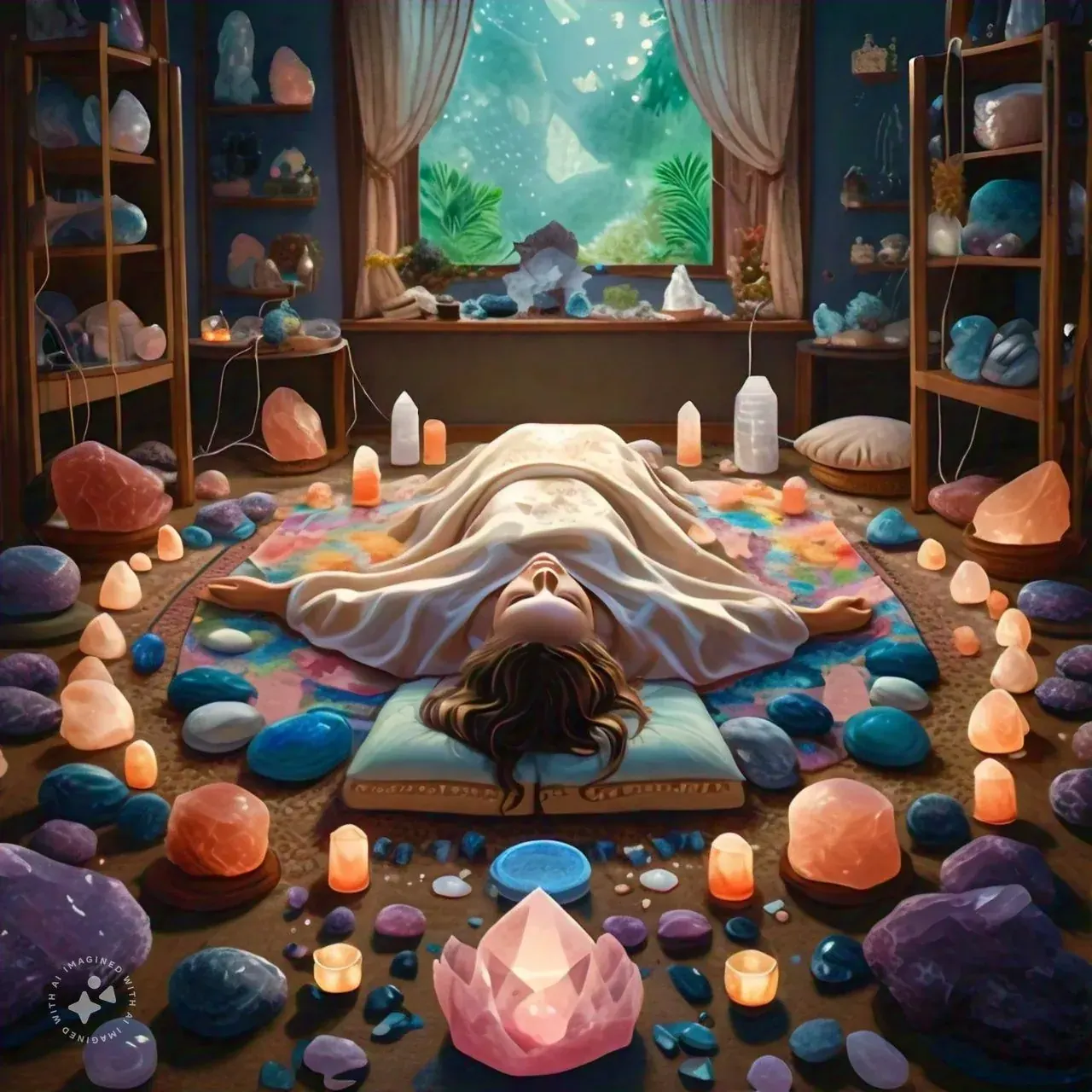
Metal strips, activated crystals and pyramids are used to reduce the effect of an element placed in the wrong zone.
04
Light and air
Open windows, sunlight and fresh air strengthen the Space and Air elements throughout the home.
05
How do the five elements relate to each other?
The five elements relate to each other through supportive and conflicting pairs, and understanding this helps you choose remedies wisely. Water and Fire are opposites, which is why the sink and stove are ideally not placed right next to each other and why a kitchen in the North-East is a common concern.
Earth supports stability and holds Water and Fire in check. Air carries and spreads energy, so it can fan Fire or move stagnant Water. Space holds all of them, which is why an open centre is emphasised so strongly.
In practice, a remedy often works by adding a mediating element. For instance, where Water and Fire sit close together in a small Mumbai kitchen, a green element such as a plant or a strip of green colour is traditionally used between them.
06
Simple daily habits for the five elements
Small daily habits keep the five elements balanced in any home, even a compact one-bedroom flat.
01
Water
Fix leaking taps promptly and keep the North-East clean, with a fresh bowl of water or a small plant if it suits the space.
02
Fire
Light a diya or lamp in the evening and keep the kitchen clean and well lit.
03
Air
Open windows every morning and avoid stale, closed rooms, especially in the monsoon.
04
Earth
Keep the South-West stable and uncluttered, with solid furniture rather than open shelves of loose items.
05
Space
Clear the centre of your home regularly and avoid storing heavy items there.
07
When to consult a Vastu expert
Consult a Vastu expert when you notice that a particular room always feels unsettled, when you are about to buy or rent a flat, or when you want to understand how the elements are placed in your specific layout. General rules help, but a floor plan read with a compass shows exactly where each element falls.
Dr. Kimaya Parikh-Ambekar begins with a distant analysis of your plan, takes on-site compass measurements where possible, and gives a personalised written report with non-structural remedies and follow-up. She consults on-site across Mumbai from the Andheri East office, and by distance using floor plans and photographs for clients elsewhere.
Questions
Frequently asked
Which element is associated with the North-East in Vastu?
Water is associated with the North-East in Vastu. This is why the zone is kept clean, light and open, and is considered suitable for prayer, meditation or a small water feature.
Why is the kitchen placed in the South-East?
The kitchen is placed in the South-East because it is the zone of Fire, ruled by Agni. Cooking there aligns the use of the room with its natural element. The North-West is an acceptable alternative.
What is the Space element in a home?
The Space element is the Brahmasthan, or centre, of the home. Keeping it open, light and uncluttered is believed to let energy circulate freely to every room.
Can colours balance the five elements?
Yes, colour is one of the simplest ways to balance the five elements. Each element is linked with a family of colours, which can be added through paint, curtains or décor.
Is the five elements concept the same as in Feng Shui?
No, they are different traditions. Feng Shui uses its own set of elements, including Wood and Metal, while Vastu's Pancha Tattva are Water, Fire, Air, Earth and Space.
Want this applied to your own home or office?
Book free consultation