



Festivals & Rituals · 8 October 2026 · 5 min read
Makar Sankranti and Vastu: Welcoming the Sun
Makar Sankranti celebrates the Sun's move into Capricorn and the start of Uttarayan. Here is how the festival connects with Vastu's love of East light, with simple practices for a Mumbai home.
By Dr. Kimaya Parikh-Ambekar, Vastu consultant, Andheri East, Mumbai
01
What is Makar Sankranti and how is it linked with Vastu?
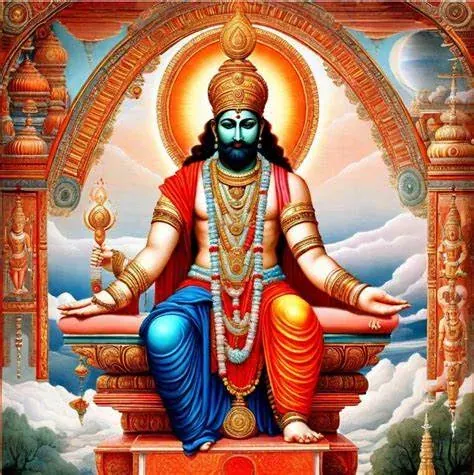
Makar Sankranti is the festival that marks the Sun's move into Capricorn, and it is linked with Vastu because both give the Sun a central place. मकर (Makara) is the zodiac sign Capricorn, and संक्रांति (Sankranti) means the Sun's crossing from one sign into the next.
The day is traditionally taken as the start of उत्तरायण (Uttarayan, the Sun's northward journey), when the days slowly grow longer. Vastu is not a festival tradition, but it shares the same respect for sunlight, and that is the bridge between the two.
02
Why does Vastu give importance to the East and the North?
Vastu gives importance to the East because the Sun rises there, and to the North because it is traditionally linked with prosperity and steady, cool light. The East is associated with सूर्य (Surya, the Sun) and Indra, and the North with Kubera.
This is why Vastu prefers more openings, windows and free space on the East and North sides of a home, and heavier walls and storage on the South and West. Morning sunlight is gentle, and a room that receives it feels fresh and awake.
03
How can you welcome the Sun at home on Sankranti?
You can welcome the Sun by opening the East windows soon after sunrise and letting light and air fill the home. It is a simple act, costs nothing and suits any flat.
01
Open up
Draw back curtains on the East and North sides for the morning hours.
02
Offer water
Many people offer water to the rising Sun from a balcony or window, a practice called arghya.
03
Light a lamp
Light a diya in the pooja area in the North-East, on a stable plate.
04
Which parts of the home should you clean before the festival?
Clean the East side and the North-East of the home before the festival, since these are the zones that receive the morning light. The North-East, called ईशान्य (Ishanya), is the zone of the Water element and of prayer.
Wash the East-facing windows and grills so that sunlight comes in clear. Remove old newspapers, cartons and unused items from the North-East corner. Wipe the pooja shelf and change the water in any pot or vase kept there. Not sure which side of your flat faces East? The free direction finder will tell you.
05
What is the meaning of til-gul in Maharashtra?
Til-gul is a sweet of sesame seeds and jaggery that people in Maharashtra exchange on Sankranti as a sign of warmth and goodwill. It is given with the well-known greeting तिळगुळ घ्या, गोड गोड बोला (tilgul ghya, god god bola), which means 'take this til-gul and speak sweetly'.
Sesame and jaggery are warming winter foods, but the message is about relationships: let go of old quarrels and begin again kindly. A peaceful home depends on the people in it as much as on its directions, so this is a festival habit worth keeping all year.
06
Why is giving to others part of Sankranti?
Giving to others is part of Sankranti because a harvest festival is a time to share what one has received. This giving is called दान (daan, charity), and families traditionally give food grains, sesame, jaggery, warm clothes or blankets.
You can give in any honest way that suits you: a meal for the building's staff, warm clothing for someone who sleeps outdoors, or grains to a local kitchen.
07
How do you fly kites safely from a terrace?
Fly kites safely by using only a terrace with a full-height parapet wall, keeping children supervised at all times and using plain cotton thread. Safety comes before celebration, especially on tall Mumbai buildings.
01
Check the parapet
Do not fly from a terrace with a low wall, a water-tank roof or a sloping shed.
02
Avoid glass-coated string
Sharp manja and nylon string injure birds, riders and children; use plain cotton thread.
03
Stay clear of wires
Never fly near power lines or try to pull a kite off a cable or pole.
04
Clean up
Collect loose string afterwards so that birds do not get caught in it.
08
When to consult a Vastu expert
Consult a Vastu expert when the East and North of your home are closed, dark or taken up by a toilet or heavy storage, and you are not sure how to balance it. A festival tidy-up helps, but some layouts need a closer look.
Dr. Kimaya Parikh-Ambekar of VastuKimaya, based in Andheri East, Mumbai, offers on-site and distant consultations for homes and flats, with non-structural remedies explained in a written report. You can book an appointment at a time that suits you.
Questions
Frequently asked
What should we do at home on Makar Sankranti as per Vastu?
On Makar Sankranti, open the East and North windows in the morning, clean the East side and the North-East corner, and light a lamp in the pooja area. Share til-gul with family and neighbours and give something to those in need. These are simple practices that bring light, order and goodwill into the home.
Why is the Sun important in Vastu?
The Sun is important in Vastu because sunlight is treated as the main source of energy and health for a home. The East, where the Sun rises, is kept open and light, and rooms are planned to receive gentle morning sun. Heavier walls and storage go on the South and West, where the afternoon heat is stronger.
What is Uttarayan?
Uttarayan is the Sun's northward journey, the half of the year in which days grow longer. Makar Sankranti is traditionally taken as its beginning. In many Indian traditions this period is considered auspicious for new starts, prayer and giving. In Gujarat the festival itself is called Uttarayan and is known for kite-flying.
Is Makar Sankranti a good day for a Griha Pravesh?
The period of Uttarayan is traditionally considered favourable for a Griha Pravesh, the house-warming ceremony. The exact day and time are chosen by a priest or from the panchang, not by Vastu. Vastu helps you prepare the home itself, such as the entrance, the pooja area and the kitchen, before that day.
My flat has no East window. What can I do?
If your flat has no East window, use what you have. Keep the North side open and bright, use light colours and warm lighting on the East wall, and keep that wall free of heavy storage. Spend a few minutes in morning sunlight in the building compound or on the terrace. There is no cause for worry.
Want this applied to your own home or office?
Book free consultation